Skip to content

Everyone wants a tidy home, but clutter just seems to multiply when you’re not paying attention. Studies show that most people only use about 20% of the stuff they actually own. So why does it feel impossible to keep your space under control? Turns out, the real secret isn’t just owning less but understanding exactly how and why things pile up in the first place.
Table of Contents
- Step 1: Assess Your Current Situation
- Step 2: Set Clear Decluttering Goals
- Step 3: Create a Decluttering Schedule
- Step 4: Sort Items Into Categories
- Step 5: Organize Keep Items Effectively
- Step 6: Maintain Your Decluttered Space
Quick Summary
| Key Point | Explanation |
|---|---|
| 1. Assess your living space thoroughly | Begin your decluttering journey by examining each room for clutter zones and understanding the reasons behind item accumulation. |
| 2. Set specific decluttering goals | Create clear, achievable objectives to guide your decluttering efforts, such as organizing specific areas within a set timeframe. |
| 3. Develop a decluttering schedule | Establish consistent time blocks in your calendar dedicated to decluttering, treating them as important appointments to ensure accountability. |
| 4. Sort items into distinct categories | Use the Four-Box Method to categorize belongings, helping to make informed decisions about what to keep, donate, or discard. |
| 5. Maintain organization with habits | Integrate daily and weekly routines to prevent clutter buildup, ensuring your living space remains organized and functional over time. |
Step 1: Assess Your Current Situation
Decluttering your home begins with an honest and comprehensive assessment of your current living space. This critical first step involves understanding how clutter accumulates, recognizing its impact on your daily life, and developing a strategic approach to simplification.
Start by walking through each room with a critical eye, observing spaces where items tend to pile up and disrupt your living environment. Professional organizer Barbara Brock suggests making a mental commitment that getting organized is a priority, which transforms the decluttering process from an overwhelming task to a manageable journey.
Take time to document your observations. Use a notebook or digital app to create a detailed inventory of problem areas. Note specific locations where clutter consistently builds up – perhaps your kitchen counters, home office desk, bedroom closet, or entryway. Identify patterns of accumulation that reveal why items collect in certain spaces.
Below is a table summarizing essential tools and materials mentioned for the sorting and categorization phase, including their purposes to streamline your decluttering process.
| Tool/Material | Purpose |
|---|---|
| Sturdy boxes | Separate items into categories |
| Labels | Clearly mark box contents for sorting |
| Markers | Write labels and notes on boxes/bags |
| Trash bags | Gather and remove items marked for trash |
| Large workspace | Provide area to spread and sort belongings |
| Notebook/app | Document observations, track progress |
Consider asking yourself reflective questions during this assessment:
- Do I use this item regularly?
- Does this item bring me joy or serve a practical purpose?
- When was the last time I used or appreciated this possession?
- Am I keeping this out of genuine need or emotional attachment?
As you evaluate your space, recognize that clutter is more than just physical objects. It represents emotional weight, unresolved decisions, and potential stress. By understanding the psychological aspects of accumulation, you create a more compassionate approach to simplifying your environment.
The goal of this assessment is not immediate perfection but gaining clarity. According to a University of Illinois Extension workshop, the most effective decluttering strategies emerge from a thorough understanding of your current situation. You’re creating a roadmap for transformation, identifying specific areas that need attention and developing a personalized plan for simplification.
Successful completion of this step means having a clear, documented overview of your current living spaces, potential clutter zones, and an initial understanding of why items accumulate. This foundation will guide your subsequent decluttering efforts, making the entire process more intentional and achievable.
Step 2: Set Clear Decluttering Goals
After assessing your current living space, the next crucial phase is establishing targeted, achievable goals that transform your decluttering vision into a realistic action plan. This step is about creating a strategic roadmap that breaks down the overwhelming task of home organization into manageable, meaningful objectives.
Begin by defining specific, time-bound goals that align with your lifestyle and available resources. Precision is key – instead of a vague goal like “clean the house,” focus on concrete targets such as “organize kitchen pantry within two weeks” or “reduce bedroom closet items by 30% in one month.”
According to AARP’s Smart Guide to Decluttering, effective goal-setting involves breaking larger tasks into smaller, more approachable segments. This approach prevents feeling overwhelmed and provides a sense of incremental progress.
Consider creating a goal hierarchy that prioritizes spaces and tasks:
- Highest priority: Areas causing daily stress or functional disruption
- Medium priority: Spaces that require moderate organization
- Lower priority: Areas with minimal daily impact
Utilize tools that support your goal-tracking process. A dedicated notebook, digital spreadsheet, or organization app can help you monitor progress, set deadlines, and maintain accountability. Check out our guide on household efficiency for additional organizational strategies.
Remember that flexibility is crucial. Your initial goals might need adjustment as you progress, and that’s perfectly normal. Realistic expectations prevent frustration and maintain motivation. If a goal feels too ambitious, break it down further or extend your timeline.
To verify successful goal-setting, ensure each objective meets these criteria: specific, measurable, achievable, relevant, and time-bound (SMART). For instance, “reduce living room clutter by removing 15 unnecessary items within two weeks” is a SMART goal that provides clear direction and a tangible target.
By the end of this step, you should have a comprehensive, personalized decluttering plan with clear milestones that transform your initial assessment into an actionable strategy for home simplification.
Step 3: Create a Decluttering Schedule
Transforming your decluttering goals into reality requires a structured, intentional schedule that integrates seamlessly with your daily life. This step is about creating a realistic timeline that turns your organizational aspirations into achievable actions, ensuring steady progress without overwhelming your routine.
Time management is the cornerstone of successful decluttering. Begin by examining your existing weekly schedule and identifying realistic windows for organizational work. Some people find weekend mornings most productive, while others prefer short 15-30 minute sessions during weekday evenings. The key is consistency and finding a rhythm that matches your personal energy levels and commitments.
According to the University of Illinois Extension, developing a strategic plan is crucial for effective decluttering. Start by blocking specific times in your calendar dedicated exclusively to this process. Treat these slots like important appointments – non-negotiable and deserving of your full attention.
Consider these scheduling strategies:
- Allocate shorter, more frequent sessions (20-30 minutes)
- Choose consistent days and times each week
- Build buffer time between sessions for unexpected challenges
- Reward yourself after completing scheduled decluttering blocks
Digital tools can significantly enhance your scheduling effectiveness. Calendar apps with reminder functions, task management platforms, and even simple spreadsheets can help track your progress and maintain accountability. Pro tip: Color-code your decluttering tasks to visually distinguish between different areas or types of organization.
Recognize that flexibility is essential. Some weeks might disrupt your planned schedule, and that’s perfectly acceptable. The goal is progress, not perfection. If you miss a scheduled session, simply reschedule without guilt. Consistent, gentle persistence matters more than rigid adherence to an initial plan.
To verify successful schedule creation, ensure you have:
- Defined specific time blocks for decluttering
- Identified specific areas to focus on during each session
- Created a tracking mechanism to monitor progress
- Established realistic expectations and built-in flexibility
By the end of this step, you’ll have transformed your decluttering goals into a structured, personalized roadmap that makes simplifying your space both manageable and sustainable.
Step 4: Sort Items into Categories
Sorting items into clear, purposeful categories transforms the abstract concept of decluttering into a tangible, actionable process. This step is about creating a systematic approach that helps you make intentional decisions about your belongings, reducing emotional attachment and promoting a more organized living space.
Preparation is key to successful categorization. Before diving in, gather essential supplies like sturdy boxes, labels, markers, and trash bags. Choose a large, clear workspace where you can spread out items and work comfortably without feeling cramped or overwhelmed.
According to PBS SoCal’s organizational approach, sorting by category – rather than by room – provides a more comprehensive view of your possessions. This method helps you recognize duplicates, identify excess, and make more informed decisions about what truly adds value to your life.
Implement the Four-Box Method to streamline your sorting process:
- Keep: Items that are actively used and bring genuine value
- Donate: Good condition items no longer needed
- Trash: Damaged or unusable items
- Relocate: Items that belong in a different space
Begin with clothing, as it’s typically less emotionally charged. Pull every clothing item from every closet, drawer, and storage space. Lay them out and assess each piece objectively. Ask yourself critical questions: Have I worn this in the last year? Does it fit? Is it in good condition? Be ruthless yet compassionate with your selections.
Move systematically through other categories like books, papers, kitchen items, and sentimental objects. Each category requires a slightly different approach. For papers, create a filing system that separates essential documents from unnecessary clutter. In the kitchen, evaluate gadgets and cookware based on frequency of use and practical utility.
Digital tools can support your categorization process. Use spreadsheets or organization apps to track items in each category, helping you visualize progress and maintain accountability. Some apps even allow you to photograph items before donating, creating a digital memory without physical clutter.
To verify successful categorization, ensure you have:
- Sorted items into clear, distinct categories
- Made decisive choices about each item’s fate
- Created a system for managing future acquisitions
- Prepared donation and disposal bags
By the end of this step, you’ll have transformed scattered belongings into organized, purposeful categories, setting the stage for a more streamlined living environment.
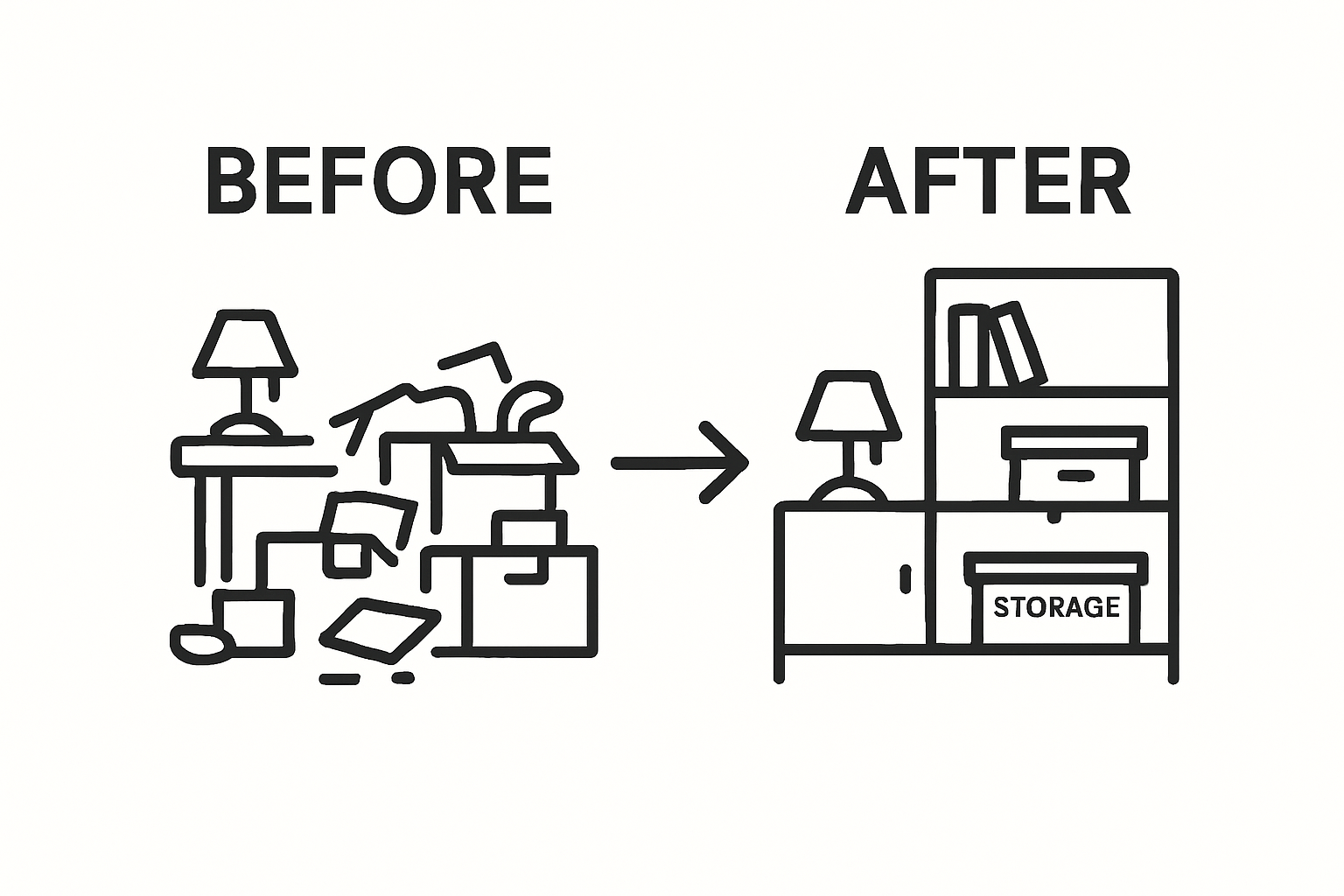
Step 5: Organize Keep Items Effectively
After carefully sorting your belongings, the next critical phase is creating an organizational system that transforms your kept items from random clutter into purposeful, accessible spaces. This step is about designing intuitive storage solutions that not only look clean but also support your daily lifestyle and prevent future disorganization.
Strategic placement is the foundation of effective organization. Each item you’ve chosen to keep should have a logical, easily accessible home that makes sense within your daily routine. Consider how frequently you use each object and position it accordingly – high-use items should be within immediate reach, while seasonal or occasional items can be stored in less prime locations.
According to the University of Georgia Extension, the ‘container method’ is a powerful organizational technique. This approach involves defining precise physical boundaries for each category of items, which naturally limits accumulation and promotes mindful storage. Select containers that are appropriately sized – not too large, which encourages unnecessary collecting, and not too small, which leads to overflow.
Consider these organizational principles:
- Vertical storage maximizes space efficiency
- Transparent containers allow quick visual identification
- Label everything clearly and consistently
- Group similar items together
Invest in smart storage solutions that match your specific needs. Open shelving works brilliantly for frequently used kitchen items, while closed cabinets are perfect for maintaining a clean aesthetic in living spaces. Drawer dividers, hanging organizers, and modular storage systems can transform chaotic spaces into streamlined environments.
Digital tools can complement your physical organization. Use smartphone apps to create inventory lists, track item locations, and even photograph storage configurations. This approach helps maintain your organizational system and provides a quick reference when searching for specific items.
Remember that organization is an ongoing process. Build flexibility into your system, allowing room for minor adjustments as your lifestyle evolves. Conduct periodic mini-reviews every few months to ensure your organizational strategy continues to serve your needs effectively.
To verify successful organization, ensure you have:
- Assigned a specific location for every kept item
- Created intuitive, accessible storage solutions
- Minimized visual clutter
- Developed a system that feels natural and sustainable
By the end of this step, you’ll have transformed your kept items into a beautifully organized, functional living space that supports your daily life with ease and elegance.
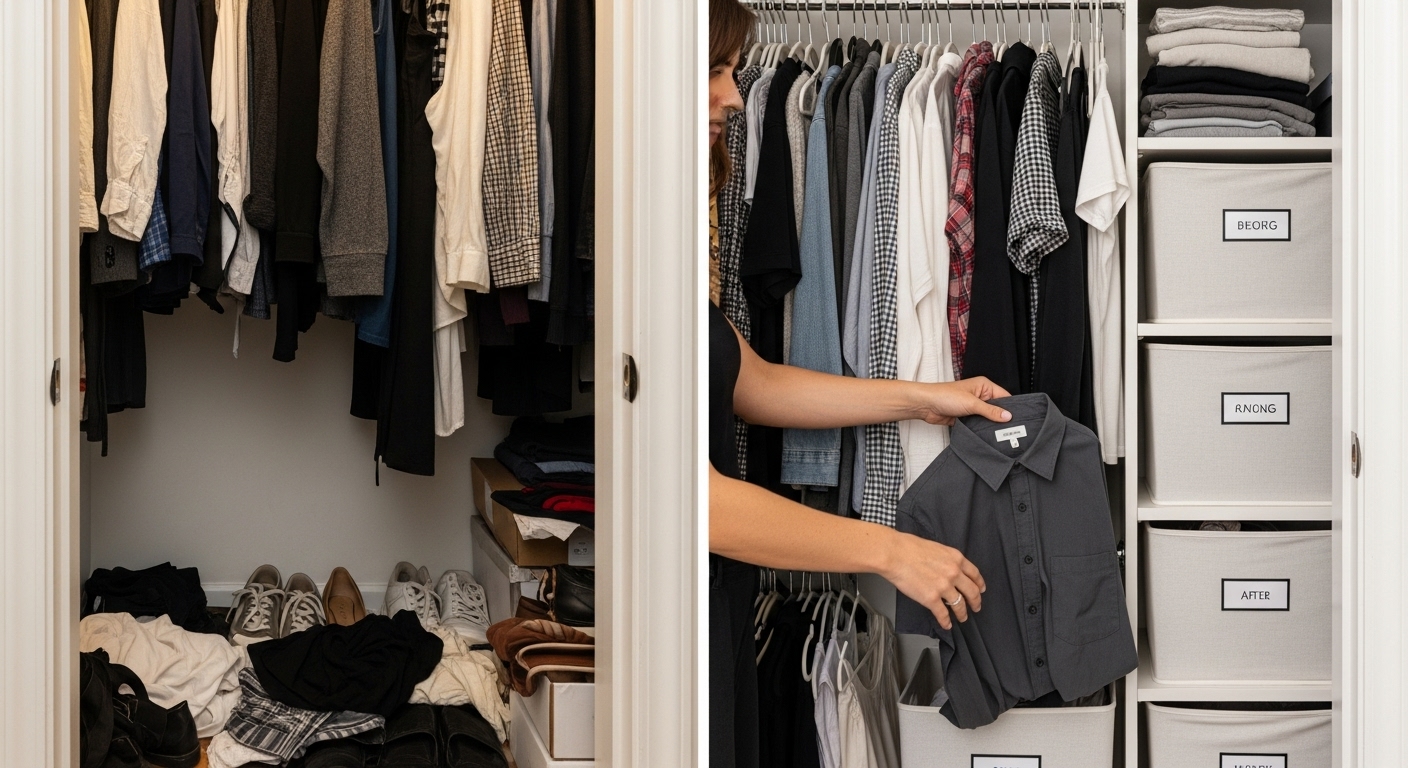
Step 6: Maintain Your Decluttered Space
Maintaining your newly organized space is the ultimate challenge and critical final step in the decluttering journey. This phase transforms your hard work into a sustainable lifestyle, preventing the gradual return of clutter and ensuring your living environment remains functional and peaceful.
Consistency is the secret weapon of long-term organization. Develop daily and weekly habits that naturally prevent clutter from accumulating. This means dedicating just 10-15 minutes each day to returning items to their designated spaces, creating a rhythm that keeps your home consistently tidy without requiring massive cleanup efforts.
Implement a simple “one in, one out” rule to prevent future overcrowding. Every time you bring a new item into your home, commit to removing a similar item. This strategy maintains balance and prevents the slow creep of unnecessary possessions. Pro tip: Keep a donation box in a convenient location, making it easy to quickly remove items that no longer serve a purpose.
Consider these maintenance strategies:
- Perform a quick 10-minute tidying session each evening
- Review and adjust your organizational system quarterly
- Create designated drop zones for frequently used items
- Develop mindful purchasing habits
Technology can be a powerful ally in maintenance. Use smartphone reminders to prompt regular organizing sessions, and leverage apps that help track possessions and remind you of periodic decluttering reviews. Digital inventories can help you stay accountable and conscious of what you own.
Address potential maintenance challenges proactively. Recognize that life happens – there will be seasons of chaos, unexpected events, and times when organization slips. The key is not perfection, but consistent effort. When you notice clutter beginning to accumulate, don’t get discouraged. Simply return to your original sorting and organizing principles.
To verify successful maintenance, ensure you have:
- Established daily and weekly organizing routines
- Created systems that make organization effortless
- Developed a mindset of intentional consumption
- Built flexibility into your organizational approach
By embracing maintenance as an ongoing practice, you transform decluttering from a one-time event into a sustainable lifestyle. Your living space becomes a dynamic, adaptable environment that supports your evolving needs and brings a sense of calm and control to your daily life.
This table provides a maintenance checklist summarizing the key habits and systems discussed for keeping your space clutter-free long term.
| Maintenance Task | Frequency | Purpose |
|---|---|---|
| Quick tidying session | Daily | Prevents daily clutter accumulation |
| Return items to assigned spaces | Daily | Maintains organization and clear surfaces |
| Review organizational system | Quarterly | Adjusts system for changing needs |
| Use “one in, one out” rule | Ongoing | Controls acquisition of new items |
| Keep a donation box accessible | Ongoing | Makes it easy to remove items regularly |
| Use smartphone reminders | As needed | Supports routine and accountability |
| Mindful purchasing | Ongoing | Reduces incoming clutter at the source |
Simplify Your Space and Your Routine with BreezyTips
Struggling with cluttered rooms, overflowing closets, and the stress that comes from endless piles of stuff? You are not alone. The article showed that decluttering is more than just cleaning up, it is about setting goals, building healthy habits, and creating a system for lasting change. Many readers feel overwhelmed when starting out, lose momentum midway, or find it difficult to keep their homes organized long-term. If you are searching for clear steps, the right tools, or fresh habits for a clutter-free life, BreezyTips has you covered.
We make it easy to take control of your space, establish routines, and boost your productivity. Our guides go beyond basic cleaning tips. Get practical advice for household efficiency in our step-by-step household hacks or discover new ways to maintain order by checking out the main BreezyTips site. Do not let clutter hold you back in 2025. Start your journey towards a simpler home and a smoother life with BreezyTips today.
Frequently Asked Questions
How can I effectively start decluttering my home?
To effectively start decluttering, assess your current living situation by identifying problem areas, making a comprehensive inventory, and asking reflective questions about your possessions. This foundational understanding will guide your decluttering journey.
What goals should I set for my decluttering process?
Set specific, measurable, achievable, relevant, and time-bound (SMART) goals for your decluttering process. Instead of vague targets, focus on clear objectives like reorganizing a specific room or reducing items in a particular category within a set timeframe.
How do I create a decluttering schedule that works for me?
To create a decluttering schedule, examine your weekly routine and identify time blocks where you can consistently dedicate effort towards organizing. Short, frequent sessions tend to be more effective than lengthy ones and help maintain momentum without overwhelming you.
What is the best way to sort items while decluttering?
Sort items using the Four-Box Method: categorize items into ‘Keep’, ‘Donate’, ‘Trash’, and ‘Relocate’. This approach provides clarity in decision-making and ensures you systematically evaluate each item based on its usefulness and emotional significance.
Recommended
- Step by Step Household Hacks for Daily Efficiency – breezytips.com
- Step by Step Website Update: Enhance Your Online Presence – breezytips.com
- Technology – breezytips.com
- Home – breezytips.com
- How to Declutter Before Moving: Tips for a Fresh Start in 2025 – BLUSHBEES USA
- Decluttering Small Spaces: Smart Tips for Massachusetts in 2025 | E.C. House Cleaning