Skip to content
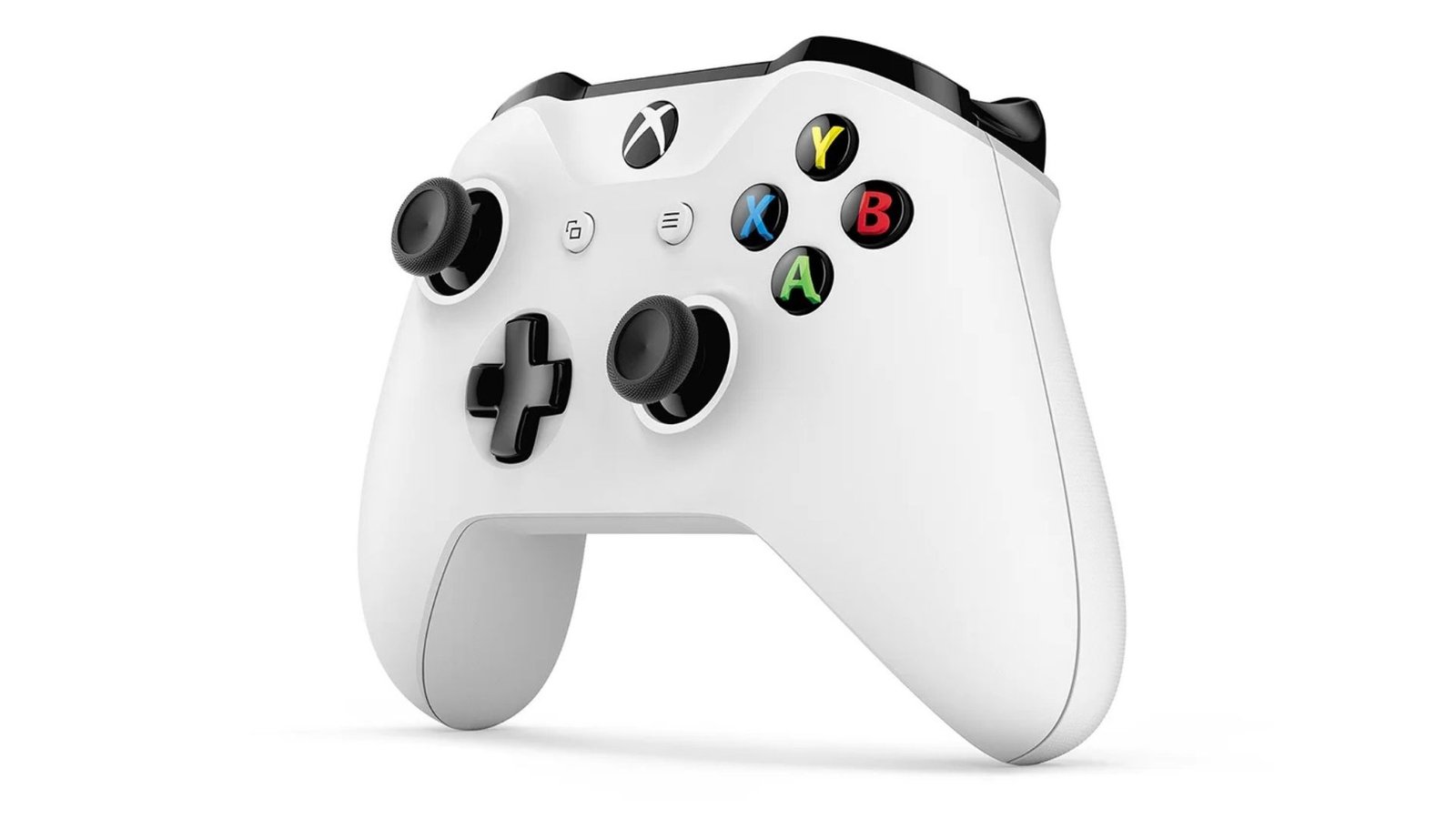
The latest financial reports from Microsoft have sent a clear message to the gaming world: the console wars, as we know them, are over—and Microsoft is retreating from the battlefield. With Xbox hardware revenue plummeting a staggering 29% year-over-year in the most recent fiscal quarter, the decline is not just a dip; it’s a decisive signal that Microsoft is actively pivoting its entire gaming strategy away from the console box and toward a platform-agnostic, “Xbox everywhere” model.
This decline, which follows earlier drops of 22% and a significant 42% plunge in previous quarters (Source: TechRadar, Gadget Hacks), confirms a persistent trend: physical Xbox consoles are losing relevance. Yet, paradoxically, Microsoft’s overall gaming revenue, bolstered by the massive acquisition of Activision Blizzard and the sustained growth of Game Pass, is holding firm. This contrast—hardware down sharply, content up—is the key to understanding the future of Xbox and the broader industry shift toward subscription services and multi-platform publishing.
Table of Contents
The Console Crisis: Why the Xbox Box is Losing Steam
The consistent decline in Xbox console sales highlights several fundamental challenges that Microsoft is facing in the traditional hardware market, particularly against the overwhelming market dominance of the PlayStation 5.
1. Market Share and Momentum
The ninth console generation has been defined by the wide sales gap between PlayStation 5 and the Xbox Series X/S. Industry estimates show that the PS5 maintains a significant lead in installed user base, a momentum gap that often solidifies early in a generation. The challenge for Xbox is that the longer the gap persists, the harder it is to convince consumers, especially casual gamers, to switch or choose a machine with a smaller global footprint.
2. Pricing and Value Perception
In response to global economic pressures, tariffs, and inflation, Microsoft has notably increased the price of the Xbox Series X. The device now often retails for hundreds more than its original launch price. This price hike, combined with a lack of consistent, high-profile Xbox exclusives that justify the hardware purchase, has forced many consumers to re-evaluate the value proposition. Why invest in expensive hardware when the primary selling point—the Game Pass library—is accessible on a device they already own (PC, phone, or smart TV)?
3. The Lack of Hardware Differentiation
The core identity of a modern Xbox console is increasingly blurred with that of a gaming PC. Since every major Xbox exclusive also launches simultaneously on PC, the console loses its traditional role as the only gateway to Microsoft’s biggest games. This is a deliberate strategic choice—one that prioritizes reach over exclusivity—but it inevitably undermines the necessity of the dedicated Xbox console hardware.
The Pivot: Embracing the “Xbox Everywhere” Strategy
Microsoft’s leadership is not panicking over the tanking hardware numbers because the focus has completely shifted. CEO Satya Nadella and Xbox President Sarah Bond have consistently reinforced that the future is about services and content, not the physical box. This is the “Xbox everywhere” strategy.
Game Pass: The True North Star
The financial reports confirm that the entire gaming division’s growth is now anchored by Game Pass. This subscription service is the ecosystem’s main driver, generating billions in annual revenue (Source: GamesMarkt).
- The Content Funnel: Microsoft uses the Xbox brand and its massive portfolio (now including Activision Blizzard, Bethesda, and others) to feed the Game Pass pipeline. The strategy dictates that the content must be as accessible as possible to maximize subscriber numbers, regardless of the underlying device.
- The Activision Blizzard Effect: The colossal acquisition of Activision Blizzard was not about selling more consoles; it was about securing high-margin, evergreen content—chiefly the Call of Duty franchise—to make Game Pass an indispensable service across all platforms. The financial results show that this content-driven approach is effectively offsetting the console sales decline.
Multi-Platform Publishing
A key pillar of the new strategy is a willingness to launch first-party Xbox titles on rival platforms, most notably PlayStation and Nintendo. This radical departure from traditional console exclusivity demonstrates a pivot toward becoming a content publisher rather than merely a hardware platform holder.
- Maximizing Profitability: Every unit sold on a rival console or every download on a competitor’s storefront is a revenue stream that requires zero Xbox hardware subsidy. This helps Microsoft chase the highly ambitious 30% profit margin target reportedly set for the gaming division, leading to a focus on cost-cutting and optimizing high-margin services (Source: Gadget Hacks).
- Content as Currency: By making its content available to a wider audience, Xbox converts its games into revenue drivers on every platform where people want to play. For developers and publishers looking to navigate this complex multi-platform landscape, understanding the mechanics of porting and cross-platform development is critical; we offer deep dives on our website.
🚀 The Next-Generation Xbox: A PC-Console Hybrid
The biggest clue about Microsoft’s new direction comes from the latest leaks and official teases regarding the next-generation Xbox console, rumored to launch around 2027. If Xbox hardware is still declining, why make a new one? Because the next Xbox won’t be a traditional console; it will be a PC-Console Hybrid.
Blurring the Lines
Recent updates to the Xbox Game Development Kit (GDK) and comments from Xbox leadership suggest that the new device will operate more like a highly curated, premium gaming PC than a locked-down console.
- PC Features: Rumors suggest the next Xbox could allow access to multiple digital storefronts, including Steam, and potentially eliminate the paid online multiplayer requirement (as free online is standard on PC). This moves the device much closer to a plug-and-play gaming PC experience.
- Unified Ecosystem: Microsoft is working to unify its Windows and Xbox development environments, simplifying cross-platform play and saving, creating a single, seamless experience where game saves and social features flow effortlessly between your Xbox and your PC. This strategy leverages Microsoft’s greatest strength: its control over the Windows operating system (Source: Wccftech, Windows Central).
- A Premium Experience: Xbox leadership has called the next device a “very premium, very high-end curated experience.” This suggests a higher price point than current consoles, catering to the most dedicated gamers who demand maximum performance and flexibility—a niche that is often willing to spend more on hardware.
The Strategic Trade-Off
The decline in current-generation sales gives Microsoft the opportunity to reinvent the Xbox brand completely. They are willing to sacrifice the mass-market console sales of the current generation to position themselves as the dominant platform for gaming content and services on all devices in the future. The hardware becomes merely one high-end access point, rather than the core business model.
Conclusion: The Platform is the Product
The news that Xbox Sales Tank 29% is not a sign of failure for Microsoft; it is evidence of a successful, if painful, strategic transition. The company is actively shedding the financial burden and complexity of the console wars to focus on the truly lucrative and scalable part of the business: content, cloud, and subscription services.
For the consumer, this pivot is a net positive: it means more Xbox games on more devices, greater flexibility, and the possibility of a truly open next-generation Xbox that gives gamers PC-like control with console-like simplicity. The future of Xbox is not about the Series X or S; it’s about Game Pass running on the device of your choice.