Skip to content
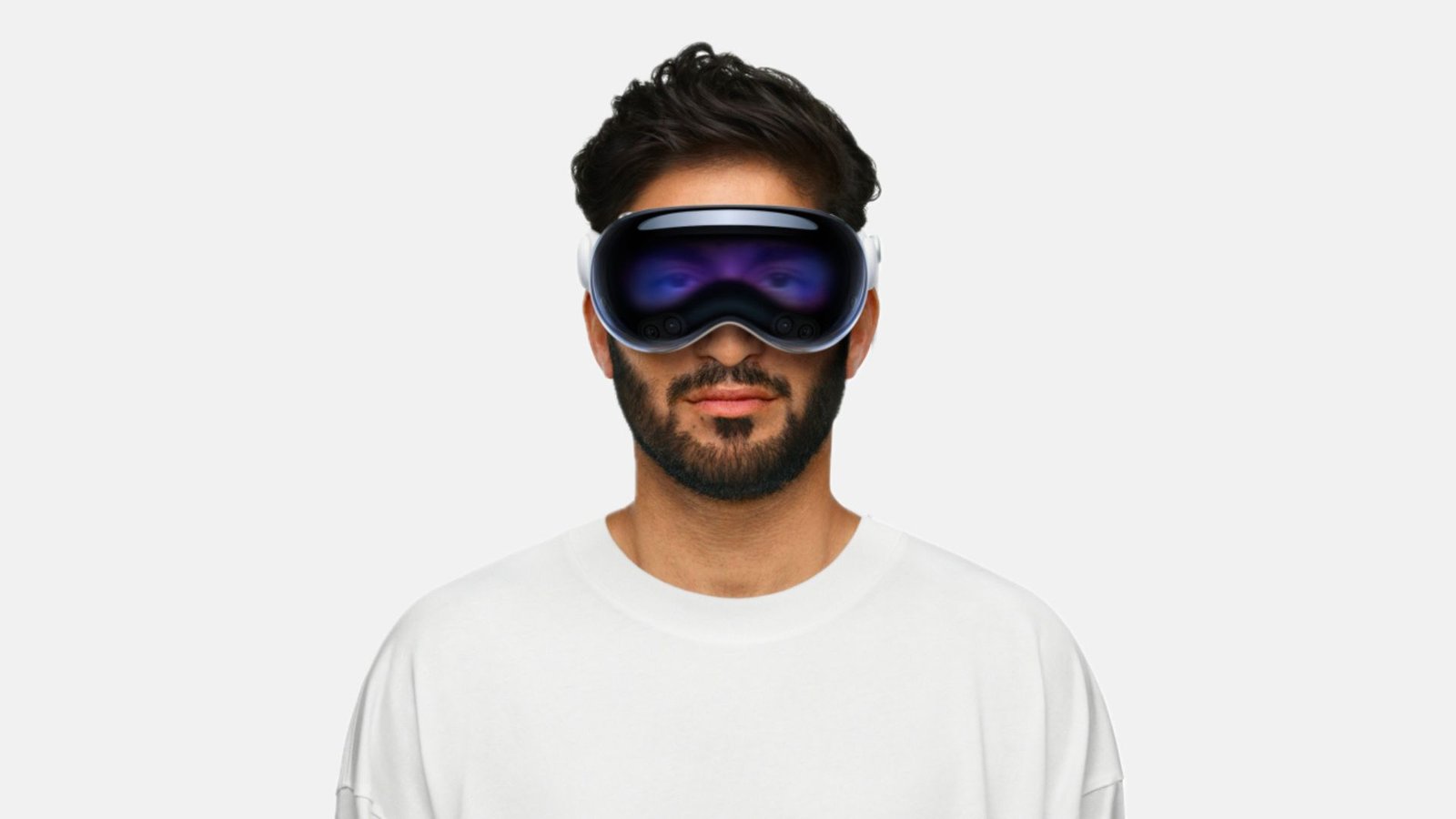
The world of consumer technology thrives on speculation, but few rumors send ripples across the industry like a major strategic pivot by Apple. Recently, reports surfaced from reliable sources, including Bloomberg, that the tech giant has put the planned overhaul of its mixed-reality headset—a device that would have been a direct successor or a cheaper, lighter variant of the original—on hold. This move, which effectively sidelines the project tentatively known as the Vision Pro 2 (or the lighter ‘Vision Air’), signals a monumental shift in Apple’s spatial computing strategy: an all-in bet on sleek, everyday smart glasses.
The decision to divert resources away from the premium, $3,499 Vision Pro line and towards a more accessible eyewear category is a clear response to market realities. While the Vision Pro showcased incredible technical prowess, its high cost, complex design, and bulky form factor have limited its appeal to a niche audience of developers, enterprise users, and dedicated early adopters.
This blog post will delve into the strategic calculus behind this major re-allocation, analyze what Apple’s smart glasses strategy will look like, and explore the future of the Vision Pro 2 line—or lack thereof—in a market increasingly defined by discreet, AI-powered wearables.
Table of Contents
Part I: The Market Reality Check—Why the Vision Pro Fell Short
The launch of the original Apple Vision Pro in early 2024 was arguably one of the most significant product debuts in recent memory. It promised a revolutionary “spatial computing” experience, blending digital content seamlessly with the physical world. However, the headset quickly encountered resistance in the mass consumer market for several compelling reasons:
- The Price Barrier: At $3,499, the device was priced far out of reach for the average consumer, placing it squarely in the luxury tech or enterprise tool category. The rumored ‘Vision Air’ or cheaper Vision Pro 2 was intended to address this, but Apple’s inability to significantly cut production costs without sacrificing core features made that path challenging.
- The Form Factor and Comfort: Despite its stunning displays, the Vision Pro was criticized for being heavy and cumbersome, making it unsuitable for extended use. Many users reported neck strain and discomfort, undermining the goal of making it an everyday device.
- The Content Lag: While the core operating system, visionOS, was praised, the lack of mainstream, “must-have” content and applications limited its utility for casual buyers. The headset became a device many enjoyed demonstrating but struggled to incorporate into their daily routines.
Simultaneously, competitors, most notably Meta, were finding significant success with a different approach: simple, lightweight smart glasses. The popularity of the Ray-Ban Meta glasses demonstrated a clear consumer preference for unobtrusive, socially acceptable wearables that integrate seamlessly into life, rather than demanding a user’s full, isolated attention.
This market signal was the trigger for Apple’s internal pivot. According to reports, Apple executives privately acknowledged that the headset form factor was simply too complex and expensive for broad, immediate mass adoption. The time for the mass-market mixed-reality helmet is not now; the time for mass-market smart glasses, however, appears to be quickly approaching.
Part II: The New Priority—Apple’s Two-Pronged Smart Glasses Attack
The resources previously earmarked for the cheaper Vision Pro 2 are now being channeled into accelerating the development of at least two distinct smart glasses products, each targeting a different segment of the future wearable market. This strategy is a classic Apple move: entering a category later, but aiming to redefine it with a polished, ecosystem-centric product.
1. The Companion Model (N50) – AI & Audio First
The first smart glasses model, internally codenamed N50, is the most immediate priority. It is designed to be a direct competitor to products like the Ray-Ban Meta, focusing on seamless integration with the iPhone ecosystem rather than immersive visual AR.
- Key Features: This model will reportedly lack a display, instead relying on advanced audio cues, cameras, and microphones for interaction.
- The AI Engine: The entire experience will be powered by Apple’s new AI platform, acting as a highly advanced, context-aware peripheral. Users will likely rely heavily on a rebuilt, more capable Siri for hands-free tasks, such as real-time language translation, object identification, subtle navigation assistance, and discreet media capture.
- The Ecosystem Advantage: By relying on the iPhone for primary processing, Apple can keep the glasses lightweight, stylish, and long-lasting, leveraging the power that users already carry in their pocket. This model is currently rumored for a potential unveiling as soon as 2026, ahead of a 2027 release.
2. The Display Model – True Augmented Reality Accelerated
The second model is far more ambitious: a pair of smart glasses with a built-in display for true, visual augmented reality. Originally scheduled for a later release around 2028, Apple is now accelerating this project to match the rising competitive pace, especially in light of new display-equipped smart glasses from rivals.
- The Goal: To deliver a pair of glasses that can overlay digital information onto the real world in a way that is light, fashionable, and comfortable enough for all-day wear—something the current Vision Pro cannot achieve.
- Engineering Challenge: This requires massive leaps in miniaturization, battery technology, and custom silicon. Apple’s rumored securing of capacity for TSMC’s advanced 2-nanometer chips suggests they are banking on next-generation efficiency to power the glasses without overheating or becoming bulky.
This pivot underscores the long-term vision: an evolution from the phone-tethered N50 to a truly standalone AR device that could one day replace the iPhone altogether. The abandonment of a middle-ground product like the Vision Pro 2 shows Apple’s determination to leapfrog intermediate solutions and focus solely on the two extremes of the wearable market.
Part III: What Does This Mean for the Vision Pro Lineup?
The halting of the cheaper Vision Pro 2 does not mean the end of the premium headset line entirely, but it certainly changes its immediate future.
- The Immediate Refresh: The current, high-end Vision Pro is still expected to receive a modest, iterative refresh, likely featuring a newer M-series chip (M4 or M5) and perhaps a refined head strap to improve comfort. This update, however, will be a tune-up rather than a full-fledged generational successor like the originally planned Vision Pro 2. It is a holding pattern—a way to keep the core platform viable for developers and enterprise customers while the smart glasses project matures.
- A Long-Term Niche: The Vision Pro is now cemented as an expensive, specialized tool for deep-immersion tasks, professional use cases (like 3D modeling, medical training, or remote collaboration), and high-end entertainment. It is no longer the company’s primary focus for mass consumer computing, a role that the new smart glasses are being designed to fill. This is a common pattern for Apple products: the Mac Pro and Mac Studio exist as powerful, niche machines, while the MacBook Air and iPad target the masses. The Vision Pro is becoming the “Pro” tool of spatial computing, with smart glasses slated to become the “Air” or “Mini.”
- Ecosystem Synergy: The technology developed for the Vision Pro—specifically visionOS, spatial computing paradigms, and advanced sensor fusion—will not be wasted. It will serve as the foundation upon which the more advanced AR smart glasses (the Display Model) are eventually built. The premium headset is essentially a very public, very expensive R&D platform for the future of the entire wearables category.
For those eager to dive deeper into how this new product shift aligns with Apple’s long-standing ecosystem strategy, explore insights on how a seamless ecosystem enhances user experience on sites like BreezyTips’ guide to integrating smart home technology for a comparison of how different hardware pieces work in concert.
Part IV: The Competitive Landscape and the AI Factor
Apple’s accelerated smart glasses push is fundamentally a race against time, and against Meta.
Meta has the clear advantage of having established a mass-market beachhead with its Ray-Ban models. While simpler, they’ve proven that consumers will wear smart eyewear if it is stylish and easy to use. Furthermore, Meta is pushing forward with its own AR/display-equipped glasses, putting immense pressure on Apple to deliver a compelling, high-quality alternative that is still fashionable.
This entire category is now intrinsically linked to Artificial Intelligence. Apple’s smart glasses will need to be more than just a camera and speakers; they must leverage the new Apple Intelligence platform to offer real-time, context-aware assistance.
Imagine looking at a historical building and having Siri (via the glasses) discreetly whisper its history, or effortlessly translating a menu in a foreign language without pulling out your phone. For a deeper look at the AI technologies enabling these next-generation wearables, influential tech publications like Wired or TechCrunch (excellent sites with heavy traffic for external linking) often cover the latest developments in wearable AI and natural language processing. The success of Apple’s glasses hinges on an AI that is genuinely intelligent, proactive, and fast—a far cry from the Siri of old.
Conclusion: The Future is on Your Face, Not on Your Head
The decision to halt the development of the Vision Pro 2 is a stark admission that Apple misjudged the immediate appetite for an expensive, full-immersion headset. It is, however, a smart, gutsy move that refocuses the company on the true mass-market opportunity: subtle, AI-first smart glasses.
Apple is sacrificing a mid-term, incrementally better version of a niche product to accelerate its arrival in a category that promises to be the next major computing platform. While the original Vision Pro will continue its life as a specialized, premium device, the future of Apple’s spatial computing—the true “iPhone moment” for wearables—will be delivered in a pair of stylish frames.
The question is no longer if Apple will release smart glasses, but when they will redefine the category, just as they did with the smartphone and the smartwatch. By diverting the Vision Pro 2 resources, Apple is betting its future on a more elegant, everyday form factor, ensuring that they do not get left behind in the race for the next great wearable device.