Skip to content
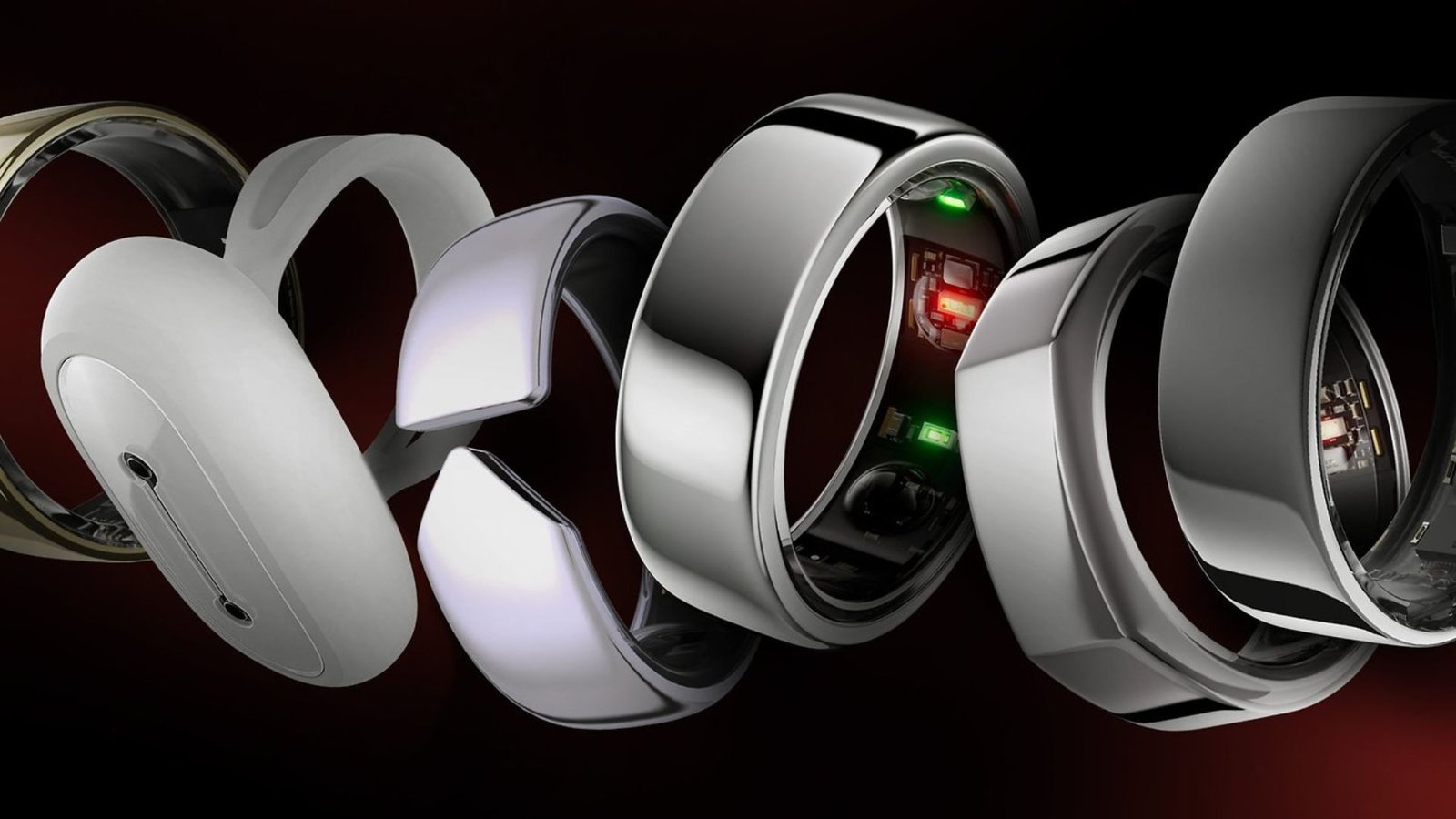
Smart Rings: In the crowded landscape of wearable technology, few devices have undergone such a dramatic and quiet transformation as the Smart Ring. Once a niche gadget offering rudimentary step counting, these miniature powerhouses have evolved into sophisticated biometric and transactional tools. Today, the modern Smart Ring stands as a testament to miniaturization and multi-functionality, seamlessly integrating critical health monitoring with the cutting-edge convenience of mobile payments. This evolution marks a significant shift, positioning the Smart Ring not just as a health accessory, but as the next generation of digital identity and transaction hardware.
Table of Contents
The Dawn of the Smart Ring: Simple Beginnings and Basic Biometrics
The journey of the Smart Ring began quietly in the early 2010s. The initial goal was simple: to offer a more discreet and less cumbersome alternative to smartwatches and wrist-worn trackers. Early models focused primarily on delivering smartphone notifications via simple vibration patterns and performing basic activity tracking. These pioneers established the foundational concept of a wearable that could be worn 24/7 without feeling intrusive—a major advantage over bulkier devices. They proved that essential technology could be compressed into jewelry-sized form factors.
These first-generation devices were often limited by short battery life and restrictive features. However, they laid the essential groundwork for integrating sensors into a finger-worn device, a location that offers unique biological insights. The finger’s proximity to major arteries provides a consistent, high-fidelity signal for physiological measurement, making it an ideal anchor point for future advancements.
The Fitness and Wellness Revolution: Mastering the Body’s Signals
The true breakout moment for the Smart Ring came with a dedicated focus on health and wellness. Companies realized that the finger could be used to gather more accurate and actionable data than the wrist for certain key metrics, especially sleep tracking and resting heart rate variability (HRV). This shift cemented the Smart Ring’s place in the wellness sector.
Modern Smart Rings are equipped with advanced sensors, including photoplethysmography (PPG) sensors for heart rate, temperature sensors for accurate body temperature monitoring, and accelerometers for activity tracking. The combination of these features allows the Smart Ring to generate a holistic view of the wearer’s well-being. Sleep tracking, in particular, has become a flagship feature. By analyzing movement, heart rate, and temperature fluctuations throughout the night, these devices can accurately distinguish between light, deep, and REM sleep cycles, providing users with a quantified understanding of their recovery.
Resting Heart Rate (RHR) and Heart Rate Variability (HRV) analysis have moved beyond simple fitness metrics into proactive health indicators. An unexpected spike in RHR or a drop in HRV, as detected by the Smart Ring, can signal impending illness, overtraining, or increased stress levels, prompting the user to take a day off or focus on recovery. This continuous, passive monitoring is invaluable, offering insights that go far beyond a simple step count. The enhanced accuracy and continuous wearability make the Smart Ring a favorite among professional athletes and biohackers seeking an edge in recovery and performance optimization. For a deep dive into the specific biometric data gathered, you can consult research articles on wearable technology and health metrics published by institutions like the National Institutes of Health.
Beyond Health: Expanding Functionality and Security
As manufacturers mastered the biometric challenge, the next phase of the Smart Ring’s evolution focused on expanding its utility beyond the gym and the bedroom. This meant integrating features that allow the ring to interact with the broader digital environment.
One key area of expansion has been digital authentication and security. A Smart Ring can serve as a physical two-factor authentication key (2FA), granting access to computers, apps, and even smart locks without needing a password. The concept of “hand-waving” or “fist-bumping” to log in has moved from science fiction to reality, providing a seamless and secure digital handshake. This form of biometric-linked security is nearly impossible to lose or forget, combining convenience with high-level protection. Furthermore, some Smart Rings offer gesture control, allowing users to control music, cameras, or presentations with simple, intuitive hand movements. This hands-free interaction is particularly powerful in professional or active environments where handling a phone might be impractical. The core philosophy driving these developments is to make technology disappear into the background, letting the Smart Ring become a truly ambient computing device.
The Payment Powerhouse: Smart Rings and Mobile Transactions
The most impactful leap in the Smart Ring’s evolution is its integration with mobile payments. This development has transformed the ring from a health gadget into a critical piece of financial technology. By embedding a Near Field Communication (NFC) chip—the same technology used in contactless credit cards and smartphones—the Smart Ring enables tap-to-pay transactions.
This functionality delivers unparalleled convenience. The ring is always on your finger, eliminating the need to fumble for a phone, wallet, or card at the checkout counter. Whether you are coming out of the gym, carrying groceries, or commuting on public transport, a simple tap of the hand against a terminal completes the purchase. The underlying technology is robust and widely accepted, leveraging existing infrastructure used by major payment processors. The security of these transactions is paramount; NFC payment rings use tokenization, meaning the actual card number is never stored on the device or transmitted to the merchant. Instead, a unique, encrypted token is used, making it highly secure. Many payment Smart Rings also require the user to be wearing the device to initiate a transaction, adding an extra layer of physiological security against theft.
The integration of payment capabilities has significantly broadened the market appeal of the Smart Ring. It’s no longer just for the health-conscious; it’s for anyone seeking efficiency and minimalism in their daily transactions. The ability to link multiple cards and manage them through a companion app further enhances its versatility. This feature is particularly popular with travellers and commuters who value speed and not having to carry a wallet. This seamless merger of biometrics, security, and finance is defining the next era of personal wearable technology.
The push for wider adoption of the payment Smart Ring has led to major collaborations. Large financial companies and card networks have actively partnered with ring manufacturers, seeing the potential for a new, highly convenient form factor. This includes collaborations with companies like Mastercard and Visa, which are essential to ensuring the interoperability of the rings with millions of payment terminals worldwide. You can read more about the role of tokenization in securing contactless payments on the official site of Mastercard or other leading financial institutions.
The Future of Smart Rings: Ambient Computing and Medical Integration
The trajectory of the Smart Ring suggests an increasingly vital role in future technology ecosystems. Future developments are expected to push the boundaries of miniaturization and data collection even further.
- Enhanced Medical Monitoring: Beyond wellness, the Smart Ring is poised to move into clinical-grade medical monitoring. The continuous, high-fidelity data it collects—especially around core body temperature, SpO2 (blood oxygen saturation), and sleep architecture—makes it an ideal candidate for early detection of health issues, remote patient monitoring, and clinical research.
- Extended Battery Life: Battery optimization remains a constant challenge, but advancements in low-power chips and energy harvesting could soon lead to rings that last weeks on a single charge or even charge themselves passively.
- AR/VR Integration: In the burgeoning world of augmented and virtual reality, the Smart Ring could act as a subtle, powerful input device. Its gesture control capabilities could be harnessed to interact with digital overlays in AR environments, allowing users to select menus or manipulate virtual objects with a flick of the finger, all without bulky controllers. This represents the ultimate step toward ambient computing, where the technology is invisible but instantly accessible. The combination of health data, transaction capabilities, and futuristic control mechanisms will make the Smart Ring a central hub for personal data and interaction. The ongoing success of the Smart Ring in its niche confirms its status as a foundational piece of wearable tech.
Conclusion
The evolution of the Smart Ring is a compelling narrative of technological refinement. It began as a simple notification device, matured into a sophisticated health and wellness tracker, and has finally arrived as a secure, frictionless tool for daily transactions and mobile payments. Its discreet form factor, combined with powerful NFC, biometric, and security features, positions it as one of the most exciting and understated innovations in the modern wearable tech market. As engineers continue to pack more power into smaller spaces, the Smart Ring is set to become an indispensable piece of personal technology, perfectly embodying the future of ambient, secure, and truly seamless computing. Its quiet revolution is anything but small, promising a future where your ability to pay, monitor your health, and control your digital world is literally at your fingertips. For more info you can check our website.