Skip to content
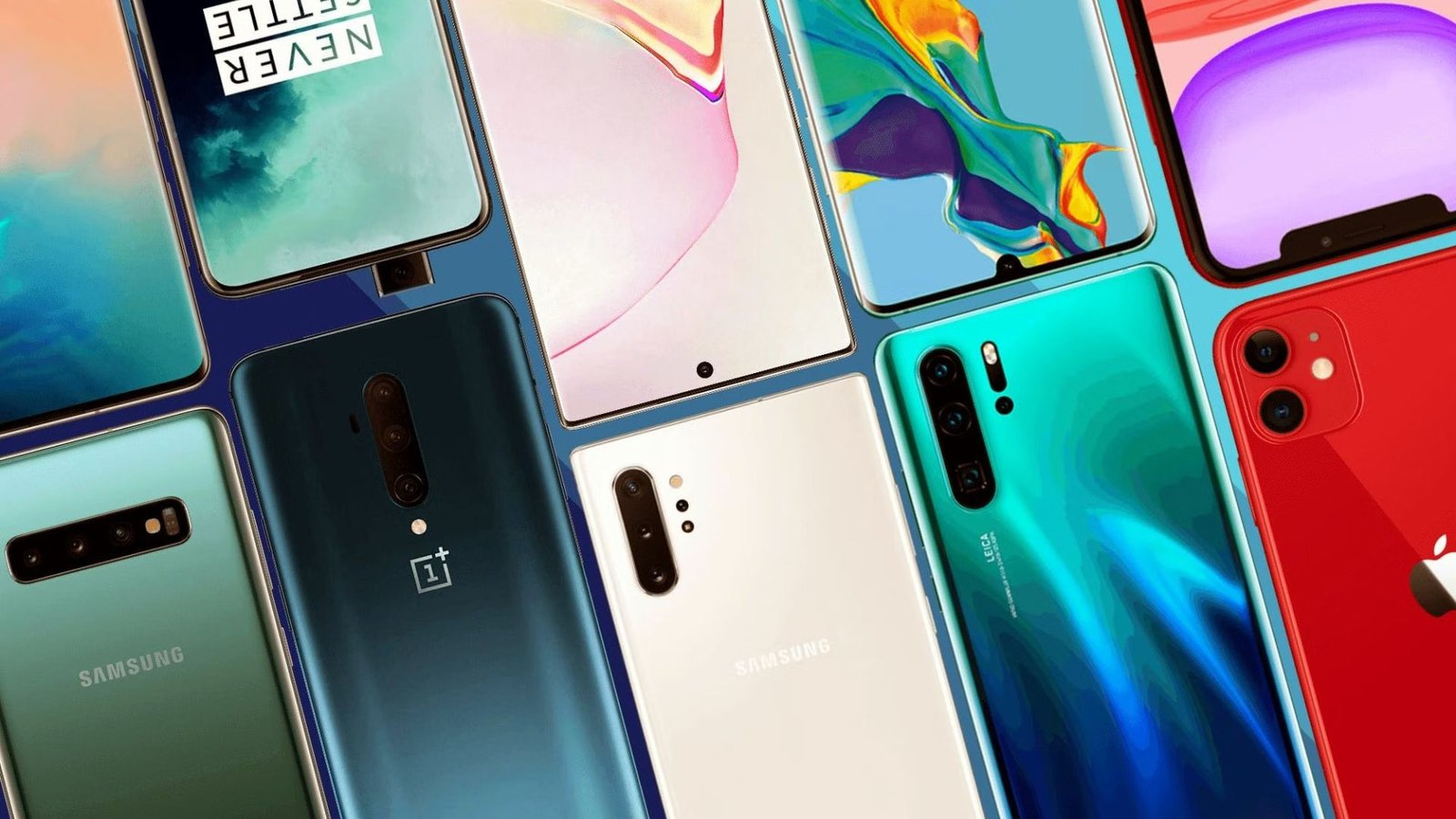
The rapid pace of smartphone innovation means new models hit the shelves every year, leaving a trail of perfectly functional, slightly older devices in their wake. For budget-conscious consumers and eco-minded shoppers, this creates an opportunity: the market for Refurbished Smartphones 📱. But are these pre-owned devices a truly smart and sustainable choice? The answer, overwhelmingly, is yes—provided you buy smart.
The choice to purchase a Refurbished Smartphone goes far beyond mere cost savings; it is a profound nod toward environmental responsibility and a practical demonstration of smart consumerism. In a world grappling with massive electronic waste, choosing a fully certified and restored device is a powerful statement.
Table of Contents
The Economic Case: Value Without Compromise
One of the most immediate and compelling reasons to opt for a Refurbished Smartphone is the significant cost saving.
Massive Savings on Premium Tech
Refurbished Smartphones typically cost 20% to 50% less than their brand-new counterparts. This massive discount makes high-end, flagship models from top brands like Apple and Samsung accessible to a much wider audience. You can get a device with top-tier cameras, sophisticated features, and premium build quality without paying the “new release” premium.
For many, the latest model only offers incremental upgrades over the previous generation. Choosing a one or two-year-old flagship phone as a refurbished unit allows you to enjoy virtually all the key performance benefits and features for a fraction of the original price. This is an especially attractive option for those looking to buy a first phone for a teenager or a dependable secondary device for work or travel.
Slower Depreciation, Better Value Retention
A new smartphone begins to depreciate the moment it’s unboxed, often losing 20-30% of its value in the first few months. A Refurbished Smartphone, however, has already weathered its steepest depreciation curve. This means that if you decide to sell or trade in your refurbished device later on, you will lose a smaller percentage of your initial investment compared to buying new. This slow depreciation makes Refurbished Smartphones a better long-term value proposition.
Avoiding Carrier Contracts
Purchasing a refurbished phone often allows you to buy the device outright and unlocked. This frees you from expensive, long-term carrier contracts that bundle the phone cost into monthly payments. Instead, you can select a much more affordable SIM-only plan, resulting in substantial monthly savings.
The Sustainability Factor: A Win for the Planet 🌍
Beyond the personal financial benefits, the environmental advantages of buying a Refurbished Smartphone are arguably the most significant. Every year, millions of tons of electronic waste (e-waste) are generated globally, contributing to environmental degradation. By purchasing a refurbished device, you are actively participating in the circular economy.
Drastically Reduced Carbon Footprint
The manufacturing process of a new smartphone accounts for the majority—up to 80%—of its lifetime carbon emissions. This includes the energy-intensive mining, refining, and transportation of raw materials, many of which are rare earth elements.
Studies show that choosing a Refurbished Smartphone over a new one can reduce the device’s carbon footprint by a staggering amount—up to 91% according to some research by the French Environment and Energy Management Agency (ADEME). This is because the most carbon-heavy part of the phone’s lifecycle (manufacturing) is completely bypassed. For more detailed statistics on global e-waste and the environmental impact, you can refer to reports from organizations focused on this, such as those published by the United Nations Environmental Programme (External Link: you might use a high-traffic source here like a major news publication referencing the UN report or the report itself).
Conserving Precious Resources
A single smartphone requires numerous rare and precious raw materials, including gold, copper, lithium, and cobalt. Extracting these materials is resource-intensive, often leading to habitat destruction, water pollution, and unethical labor practices.
When you buy a Refurbished Smartphone, you reduce the demand for these virgin materials. By giving an existing device a second life, you are helping to conserve finite natural resources. A single refurbished phone avoids the need to mine an estimated 261.3 kg of raw materials compared to manufacturing a new one. Extending the life of a device is one of the single most effective ways to lower your personal environmental impact in the tech world.
Mitigating E-Waste
Perhaps the most direct benefit is the reduction of e-waste. By purchasing a refurbished device, you prevent that phone from ending up in a landfill, where toxic chemicals can leach into the environment. The growing mountain of e-waste is a major global concern, and every phone that is professionally restored is one less contributor to that problem. If you’re interested in learning how to properly dispose of old electronics that aren’t suitable for refurbishment, you can check out e-waste recycling options on a resource like TechRadar (External Link).
Reliability and Quality: Are They as Good as New?
The biggest concern for many buyers is reliability. After all, a refurbished phone is, by definition, a used phone. The crucial distinction lies in the word “Refurbished.”
The Refurbishment Process
Unlike a simple “used” or “second-hand” phone bought directly from a private seller, a Refurbished Smartphone undergoes a rigorous, multi-point inspection and restoration process by certified technicians or the original manufacturer. This process typically includes:
- Thorough Diagnostics: Running tests to ensure all hardware (cameras, speakers, Wi-Fi, sensors, ports, etc.) is fully functional.
- Professional Repairs: Replacing any faulty or worn-out components with new, or like-new, parts (e.g., a screen, a button).
- Battery Health Check: The battery, often the first component to degrade, is meticulously checked. Reputable refurbishers ensure the battery health is at least 80% of its original capacity or they replace it entirely.
- Data Wipe and Sanitization: A complete factory reset is performed, and all previous user data is securely wiped.
- Cosmetic Restoration: The device is cleaned and often re-housed to meet a specific quality grade.
Understanding Quality Grades
Reputable sellers use a clear grading system to classify the cosmetic condition of the device, which helps set buyer expectations. While the internal functionality is guaranteed across all grades, the exterior appearance varies:
- Grade A (Pristine/Excellent): Looks and works like new, with little to no visible cosmetic wear.
- Grade B (Very Good): Light signs of use, such as minor blemishes or surface scratches that are barely visible.
- Grade C (Good): Noticeable signs of wear, such as more visible scratches or scuffs, but is 100% functionally sound.
Peace of Mind: Warranty and Returns
A major advantage of certified refurbished devices is the inclusion of a warranty, which is rarely offered on a private sale. Most reputable sellers offer a warranty of at least 90 days to a full year. This provides a vital safety net, covering hardware failures and offering confidence in your purchase. Always check the seller’s return policy to ensure you have a window to return the device if it doesn’t meet your expectations. Knowing your rights as a consumer when buying refurbished goods is essential—you can find more general advice on consumer protection and warranties on breezytips.
Your Essential Buyer’s Checklist for Refurbished Smartphones
To ensure you make a smart, reliable, and sustainable purchase, follow this essential checklist for any Refurbished Smartphone:
- Choose a Reputable Seller: Purchase from certified refurbishers, manufacturer-certified programs, or well-established marketplaces known for their strict testing protocols and grading standards.
- Check the Warranty: Look for a minimum of a 90-day warranty on the device, ideally 6-12 months, and understand what it covers (especially the battery).
- Verify the Grading: Understand the seller’s grading system and set your expectations for the phone’s cosmetic condition accordingly.
- Confirm Unlocked Status: Ensure the phone is “unlocked” and not tied to a specific carrier, giving you the freedom to choose your network.
- Check for Software Support: Verify that the model is recent enough to continue receiving current operating system and critical security updates for the next few years. Older models that are no longer receiving updates can become security risks.
- Inspect the Battery Health: Aim for a device with a battery health of 85% or higher, or one with a newly replaced battery.
- Verify the IMEI: For added security and peace of mind, ensure the phone’s IMEI (International Mobile Equipment Identity) number is provided so you can verify it hasn’t been reported lost or stolen.
The Verdict
Choosing a Refurbished Smartphone is more than just a passing trend; it is a movement towards a more sustainable and financially intelligent way of consuming technology. You get virtually all the performance and features of a new device while saving hundreds of dollars and making a significant contribution to reducing e-waste and conserving global resources.
By following the necessary precautions—buying from a reputable source, checking the warranty, and understanding the device grade—you can confidently conclude that Refurbished Smartphones are, without a doubt, a smart and sustainable choice for the modern consumer. You’re not just buying a phone; you’re investing in value and the planet.