Skip to content
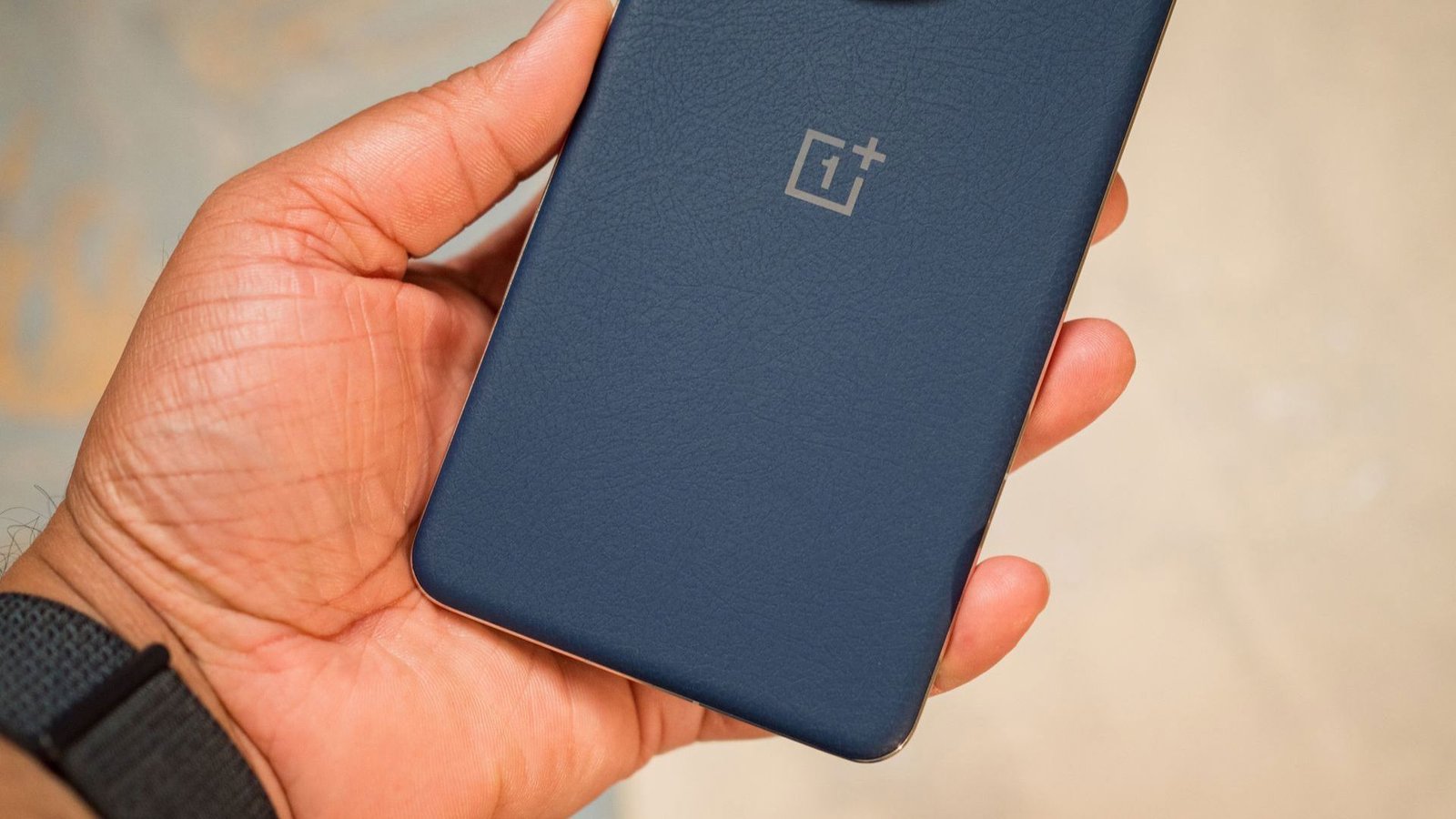
The modern smartphone landscape is often defined by a difficult trade-off: do you choose a massive device for all-day battery life, or do you sacrifice endurance for the convenience of a pocket-friendly form factor? For years, users have lamented the scarcity of compact phones that don’t compromise on power. Enter the rumored OnePlus 15T—a device poised to shatter this dichotomy.
Whispers from reliable industry sources suggest that the upcoming OnePlus 15T will feature an unprecedented 7,000mAh battery housed within a surprisingly compact design. If true, this is not just an incremental upgrade; it represents a monumental engineering achievement that could redefine the entire concept of a ‘flagship killer’ and establish a new benchmark for on-the-go power.
This in-depth analysis delves into the technical feasibility of this ambitious design, examines what it means for the competitive smartphone market, and explores how OnePlus is continually pushing the boundaries of what consumers can expect from their devices.
Table of Contents
The Quest for Endurance: Why a 7,000mAh OnePlus Matters
In the current premium segment, battery sizes generally hover between 4,500mAh and 5,500mAh. Devices that push past the 6,000mAh mark are almost universally chunky, oversized “power bank” phones, or specialized gaming handsets. The central allure of the OnePlus 15T rumor is the combination of a huge battery with a “compact” form factor—reportedly featuring a display around the 6.3-inch range, a size that is highly desirable for one-handed use.
The leap from the typical 5,000mAh cell to a 7,000mAh unit requires more than just scaling up components. It demands a revolutionary approach to internal design and battery technology. OnePlus is speculated to be leveraging cutting-edge silicon-carbon battery technology. This advanced chemistry allows for a significantly higher energy density than traditional lithium-ion or lithium-polymer cells. In simple terms, they can pack more charge into the same physical volume, or the same charge into a smaller volume.
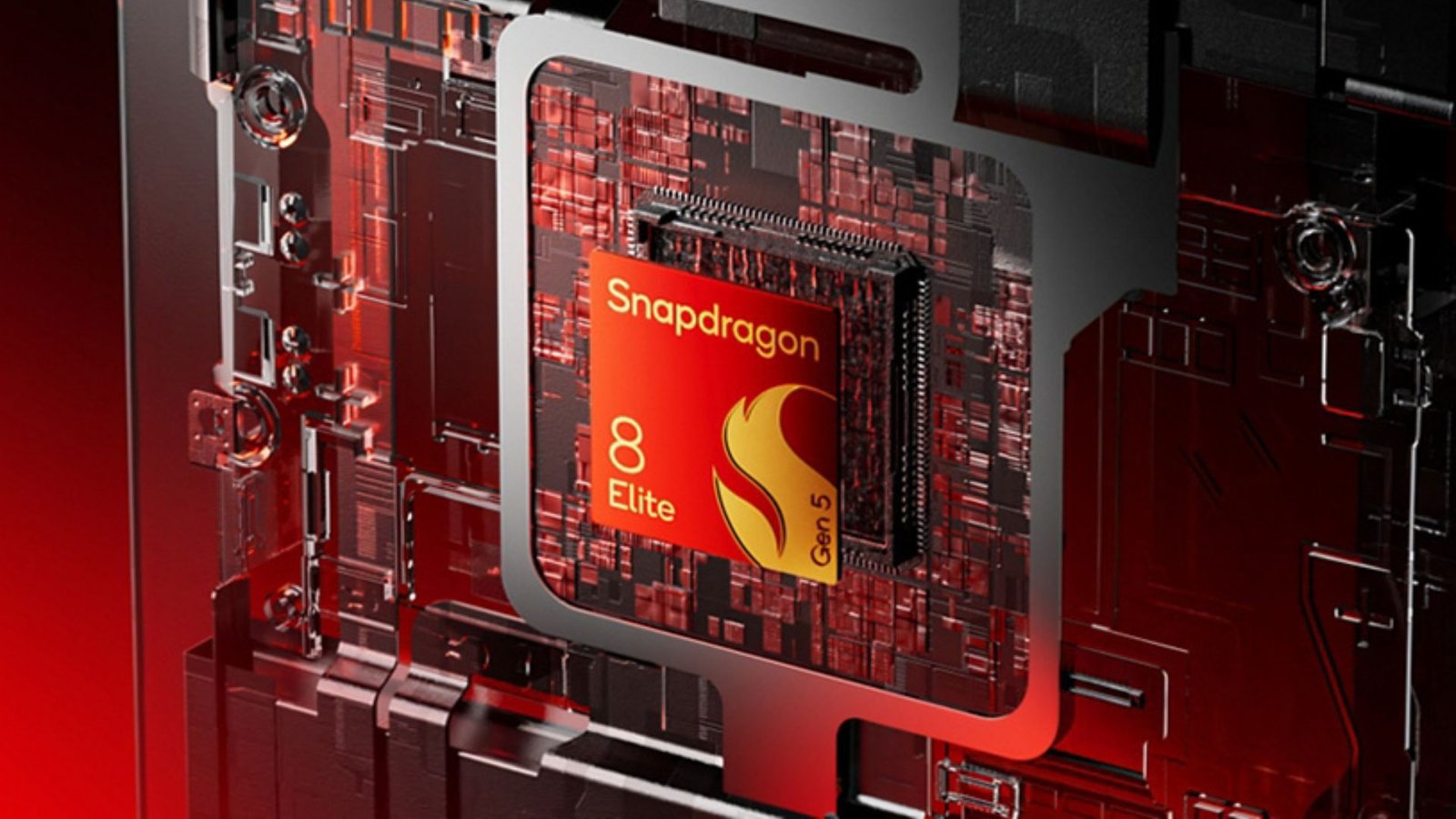
This technological move positions OnePlus not just as a hardware assembler, but as an engineering innovator. The ability to manage the thermal output and safety of a 7,000mAh battery, especially when paired with a powerful processor like the rumored Snapdragon 8 Elite Gen 5 (as reported by reputable tech news outlets like Gizmochina), is a testament to the brand’s commitment to the ‘Never Settle’ philosophy.
Redefining the Compact Flagship Experience
For too long, the ‘Mini’ versions of flagship phones were synonymous with compromises, most notably in battery life. The OnePlus 15T appears to be addressing the single biggest pain point for power users: battery anxiety.
- Multi-Day Power: A 7,000mAh battery, coupled with the efficiency gains of the latest Snapdragon chipset and optimized software (OxygenOS 16), could easily deliver two to three days of moderate use, something unheard of in a sleek, non-gaming flagship.
- Gaming and Media: Mobile gaming and high-resolution video streaming are significant battery drains. The massive cell on the OnePlus 15T ensures that a few hours of intense gaming or a full-day Netflix binge won’t necessitate carrying a portable charger.
- A Sustainable Choice: From an internal, complementary perspective, many users are looking for devices that offer longevity. A phone that lasts longer between charges inherently extends its usable life. This ties into the larger trend of sustainable consumption, much like choosing a reliable pre-owned device. (For more on making sustainable tech choices, check out our guide on Refurbished Smartphones at breezytips ).
The Engineering Marvel: How OnePlus Achieves the Impossible
The physical challenge of fitting a 7,000mAh battery into a phone with a manageable thickness cannot be overstated. Competitors like Samsung have managed large batteries (like the 7,040mAh unit in a previous generation of their M-series), but those phones were notably thicker and heavier than standard flagships.
OnePlus is likely employing several key innovations to make the 15T a reality:
- Silicon-Carbon Anodes: As mentioned, this is the core technology. Silicon anodes can store up to ten times the energy of traditional graphite anodes. By integrating silicon-carbon technology, OnePlus dramatically increases energy density without ballooning the physical size of the cell.
- Internal Component Miniaturization: The ‘compact’ design means every millimeter counts. OnePlus engineers must be using highly integrated, space-saving components, such as smaller-footprint motherboards and high-density interconnect (HDI) PCBs, to free up precious internal space for the battery. This is a common but crucial strategy in modern phone design.
- Advanced Thermal Management: A higher-capacity battery packed tightly means a higher risk of overheating, especially during 100W+ fast charging (a signature OnePlus feature). The 15T is expected to utilize an advanced cooling system, likely an oversized Vapor Chamber (VC) cooling plate, to efficiently dissipate heat across the compact frame.
The overall result is a phone where the component layout is a masterclass in spatial efficiency, prioritizing the battery without compromising on flagship performance.
The OnePlus DNA: Beyond Just the Battery
While the 7,000mAh cell is the headline feature, the OnePlus 15T is expected to be a top-tier flagship in every other regard, continuing the brand’s legacy of combining high performance with a smooth user experience.
Performance and Software
The rumored integration of the Snapdragon 8 Elite Gen 5 chipset solidifies the 15T’s flagship status. This processor is not only fast but also highly efficient, maximizing the longevity provided by the colossal battery. Software experience remains a priority for OnePlus. The device is anticipated to launch with OxygenOS 16, which is expected to feature a heavy emphasis on AI capabilities, including a deeper integration with large language models, continuing the trend of intelligent smartphone functions.
Camera System & Display
Leaks suggest the 15T will also feature a formidable camera array, potentially utilizing OnePlus‘s new proprietary imaging engine—the DetailMax—moving away from the previous Hasselblad partnership for some variants. A triple 50MP sensor setup for the main, ultrawide, and telephoto lenses is highly probable, ensuring that the OnePlus 15T competes directly with the camera prowess of rivals like the latest Samsung Galaxy or Apple iPhone models (details on these competitors can be found on high-traffic sites like The Verge or Engadget).
The display is tipped to be a 6.3-inch, high-refresh-rate AMOLED panel. This size is the sweet spot for many who find modern flagships too unwieldy. The combination of a vibrant, fast display and a battery built for extreme endurance makes the OnePlus 15T an absolute media consumption powerhouse.
Competitive Analysis: The OnePlus 15T vs. The Market
The rumored OnePlus 15T is entering a competitive field, but its unique selling proposition—battery life in a compact form—gives it a distinct edge.
| Feature | OnePlus 15T (Rumored) | Standard Compact Flagship (e.g., Apple ‘Pro’ or Samsung ‘Standard’) | Standard Battery-Focused Phone (e.g., Samsung ‘M’ Series) |
| Battery Capacity | 7,000mAh+ | ≈4,500mAh−5,000mAh | ≈6,000mAh−7,000mAh |
| Form Factor | Compact/Moderate (≈6.3-inch) | Compact to Moderate (≈6.1-inch−6.3-inch) | Large/Thick (≈6.7-inch+ or high weight) |
| Processor | Snapdragon 8 Elite Gen 5 | Latest Flagship SoC | Mid-Range or Last-Gen Flagship SoC |
| Value Proposition | Extreme Endurance, Flagship Performance, Portable Size | Premium Materials, Camera Performance, Moderate Endurance | Maximum Endurance, Budget/Mid-Range Performance, Large Size |
The table clearly illustrates the gap OnePlus is attempting to fill. By delivering a top-tier Snapdragon processor and a professional-grade camera in a device with the battery capacity of a massive power-focused phone, the 15T would occupy a category of its own. It directly addresses the user base that is currently underserved by both the major manufacturers and smaller companies. The expected release window, following the launch of the standard OnePlus 15 (which itself is rumored to have a large battery, but in a larger form factor), positions the 15T as the niche, yet highly desirable, power-user option.
External Authority Links
For a deeper dive into the technical details of high-density battery technology, resources from industry analyst firms or academic publications are highly recommended. For instance, detailed white papers on silicon-carbon battery technology can often be found on the corporate websites of manufacturers like CATL (a global leader in battery manufacturing), providing authoritative context for the technological feasibility of this OnePlus leak. Furthermore, for general market analysis, IDC (International Data Corporation) provides comprehensive quarterly reports on global smartphone market share and trends, offering great context on the competitive landscape that the OnePlus 15T will be entering.
Conclusion: The OnePlus 15T as the New Standard
The rumored OnePlus 15T, with its OnePlus compact design and game-changing 7,000mAh battery, is more than just a new phone—it is a philosophical statement. It is a commitment by OnePlus to solve a long-standing customer problem using ambitious, cutting-edge engineering.
If the specifications hold true, the OnePlus 15T will not only be a spectacular commercial success but will also force the rest of the industry to re-evaluate what is possible in the compact flagship segment. It’s an exciting time to be an OnePlus user, as the brand continues to demonstrate that you truly can have it all: power, performance, and portability, all packed into one device. The wait for the official announcement will undoubtedly be agonizing for those craving a truly enduring compact phone.