Skip to content
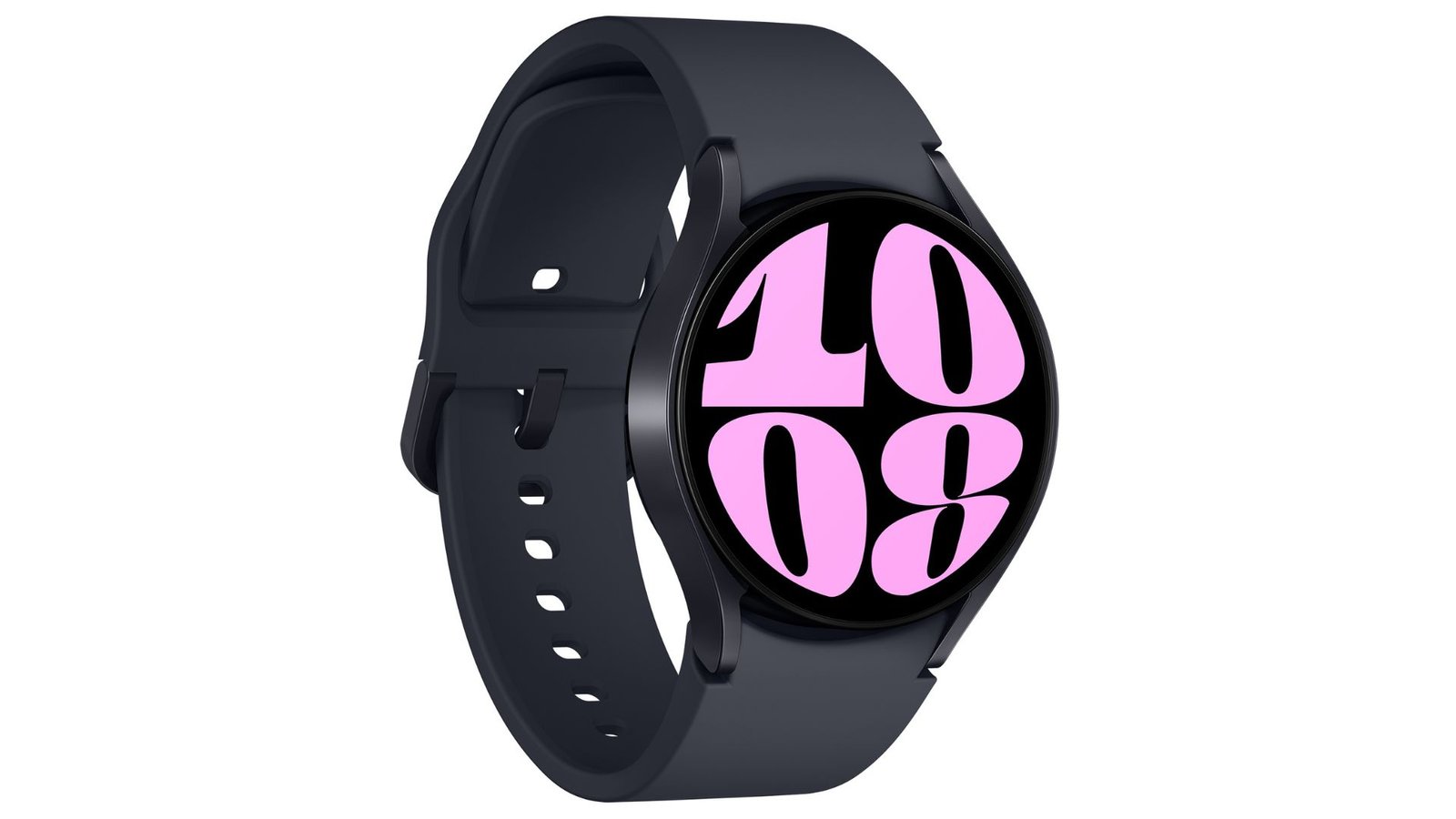
The modern smartwatch has evolved far beyond a mere notification center or fitness tracker. It is now a critical tool in preventative healthcare, seamlessly bridging the gap between consumer technology and clinical-grade health monitoring. Leading this technological leap is the Samsung Galaxy Watch, which has just made headlines with a groundbreaking new feature: AI-powered heart failure detection.
This isn’t just an update; it’s a monumental step that could save countless lives. Samsung has announced that its newest smartwatches will be able to screen for early signs of Left Ventricular Systolic Dysfunction (LVSD)—a common precursor to heart failure—using advanced artificial intelligence algorithms applied to ECG data. With heart failure being one of the leading global causes of mortality, bringing early detection capabilities to the wrist with the Samsung Galaxy Watch is a true game-changer.
This comprehensive guide delves into how this technology works, why it matters, the specific medical condition it targets, and what this strategic move means for the competition and the future of wearable health monitoring. If you own a Samsung Galaxy Watch or are considering a smartwatch for genuine health monitoring, read on to understand the impact of this medical revolution.
Table of Contents
The Silent Killer: Understanding Left Ventricular Systolic Dysfunction (LVSD)
To appreciate the gravity of this innovation, one must understand the condition it seeks to detect. Left Ventricular Systolic Dysfunction (LVSD) is a condition where the heart’s main pumping chamber, the left ventricle, becomes weakened and struggles to contract effectively. This affects its ability to pump blood efficiently throughout the body, leading to an increased risk of stroke, heart attack, and eventually, full-blown heart failure.
LVSD is particularly dangerous because it is often asymptomatic in its early stages. Many individuals who have the condition are completely unaware of it until significant heart damage has occurred, often resulting in expensive emergency interventions or poor outcomes. Studies suggest that LVSD is responsible for approximately 50% of all heart failure cases globally, making early, non-invasive screening paramount.
The introduction of LVSD screening capability on the Samsung Galaxy Watch shifts the focus from reactive detection of symptoms (like an irregular heart rhythm or AFib) to proactive screening for underlying weakness.
The Science Behind the Breakthrough: AI and the Samsung Galaxy Watch ECG
This revolutionary detection feature is a powerful marriage of the Samsung Galaxy Watch‘s hardware and sophisticated, clinically validated AI software. It goes significantly beyond the basic ECG monitoring capabilities already available on many smartwatches, including previous Galaxy Watch models.
1. Leveraging the BioActive Sensor and ECG Data
The core hardware used for this detection is the existing BioActive Sensor found on recent models of the Samsung Galaxy Watch (reportedly starting with the Watch 8 and Ultra series). This sensor allows users to record a single-lead electrocardiogram (ECG) by placing a finger on the watch’s button.
The raw ECG data—which measures the electrical activity of the heart—is then fed into the AI algorithm.
2. The Power of the Specialized AI Algorithm
The true breakthrough lies in the specialized, proprietary AI algorithm. This technology was developed through a collaboration with Medical AI, a leading Korean health tech startup. This is where the difference is made:
- Clinical Calibration: The algorithm was trained on vast amounts of clinical 12-lead ECG data, which is the gold standard used by doctors in hospitals.
- Single-Lead Interpretation: The AI is specifically designed to interpret the complex patterns and subtle anomalies in the single-lead ECG data collected by the Samsung Galaxy Watch and compare them against the clinical data.
- LVSD Identification: It looks for specific, early markers of LVSD—patterns that a standard heart rate monitor or even a typical AFib detection algorithm cannot recognize.
This process allows the Samsung Galaxy Watch to provide users with an early screening result, prompting them to seek medical consultation if a potential sign of LVSD is detected.
3. Regulatory Validation
Crucially, this technology has already secured regulatory approval from South Korea’s Ministry of Food and Drug Safety (MFDS). This regulatory clearance, achieved through clinical testing that validated the algorithm’s real-world reliability, is what elevates this from a wellness gadget feature to a certified medical screening tool. It underscores Samsung’s serious commitment to the medical efficacy of the Samsung Galaxy Watch as a health platform.
The Impact: Lowering Costs and Saving Lives
The introduction of heart failure detection on the Samsung Galaxy Watch will have profound implications across individual health and the wider healthcare system.
For the Individual User: Proactive Empowerment
The immediate benefit is proactive, preventative care. For asymptomatic individuals, the Samsung Galaxy Watch becomes an indispensable screening tool.
- Early Diagnosis: Catching LVSD early allows for timely interventions—often medication and lifestyle adjustments—that can dramatically reduce the need for future hospitalizations and lower the risk of death.
- Reduced Anxiety: While any medical alert can cause anxiety, providing actionable, personalized data empowers users to be active participants in their health journey rather than waiting for symptoms to appear. This shift from being reactive to proactive is a hallmark of modern digital health trends, a theme we explore further in our analysis of wearables and personal data privacy on Breezytips.
For the Healthcare System: Cost Efficiency
Heart failure is one of the most expensive chronic conditions to manage globally, primarily due to the high cost of emergency treatments and prolonged hospital stays.
- Reduced Burden: By promoting early screening among the general, asymptomatic population, the Samsung Galaxy Watch could significantly reduce the surging healthcare costs associated with late-stage heart failure treatment.
- Data for Doctors: The ability to share detailed, continuous ECG and health data from the Samsung Galaxy Watch with a healthcare provider allows doctors to make more informed and personalized diagnostic decisions.
The Competitive Landscape: Samsung’s Strategic Lead
In the fiercely competitive world of wearables, this feature gives the Samsung Galaxy Watch a significant, potentially market-defining advantage.
Setting a New Benchmark
While competitors like the Apple Watch and Google’s Pixel Watch currently offer ECG functionality for detecting Atrial Fibrillation (AFib) and irregular heart rhythms, the Samsung Galaxy Watch is the first consumer wearable to achieve certified LVSD screening capability.
- AFib vs. LVSD: AFib detection is important for identifying stroke risk. LVSD detection is aimed at finding the precursor to the most common type of heart failure. By tackling LVSD, Samsung has gone after a more complex, structural heart problem that requires a more advanced AI algorithm than simple rhythm detection. This clearly positions the Samsung Galaxy Watch as the leader in deep, medically-certified physiological analysis.
- Ecosystem Advantage: This feature will be a major selling point, tightening the bond between the watch and the Samsung Galaxy smartphone ecosystem.
The Next Wave of Competition
This move puts the onus on Apple and Google to quickly develop and secure regulatory approval for similarly advanced diagnostic features. The battle for smartwatch dominance is no longer about step counting or aesthetics; it is a full-fledged race to offer the most sophisticated, life-saving health features. We’ve seen similar technological arms races in other consumer devices, such as the competition to achieve the fastest charging speeds in mobile phones, a topic which has frequently generated interest on high-traffic tech news sites like The Verge and MacRumors.
Future Implications and the AI-Wearable Fusion
The integration of advanced, clinically-validated AI on the Samsung Galaxy Watch hints at a future where wearables are not just adjuncts to professional medical devices but powerful diagnostic tools in their own right.
- Continuous Monitoring: This LVSD detection algorithm is just the start. Future iterations of the Samsung Galaxy Watch could incorporate AI for continuous, background monitoring of other complex medical markers, eventually moving toward non-invasive blood pressure and blood glucose monitoring.
- The AI as Interpreter: The core lesson here is that raw biometric data (like ECG) is only as useful as the intelligence that interprets it. By leveraging sophisticated AI, the Samsung Galaxy Watch turns a simple electrical measurement into a powerful diagnostic indicator. This trend toward data interpretation, rather than just data collection, is shaping how we view everything from fitness tracking to sleep analysis. For a look at how data interpretation is revolutionizing other areas of personal technology, consider the impact of predictive AI in personalized learning models, often discussed on platforms like Wired.
The future of the Samsung Galaxy Watch is clear: it is evolving from a consumer gadget into a personalized, continuous medical screening device, placing the power of early detection directly on the user’s wrist.
Conclusion
The new AI-powered heart failure detection feature on the Samsung Galaxy Watch is a momentous achievement in digital health. By targeting LVSD—a serious and often silent precursor to heart failure—Samsung has set a new standard for what consumers should expect from their wearable technology.
This innovation, validated by regulatory approval and driven by a collaboration with clinical AI experts, not only enhances the value of the Samsung Galaxy Watch ecosystem but also represents a pivotal step forward in global preventative health. For millions of users, the Samsung Galaxy Watch has transformed into a lifesaver, offering the unprecedented opportunity for early diagnosis and better health outcomes. This is the ultimate expression of technology improving the quality and longevity of life.