Skip to content
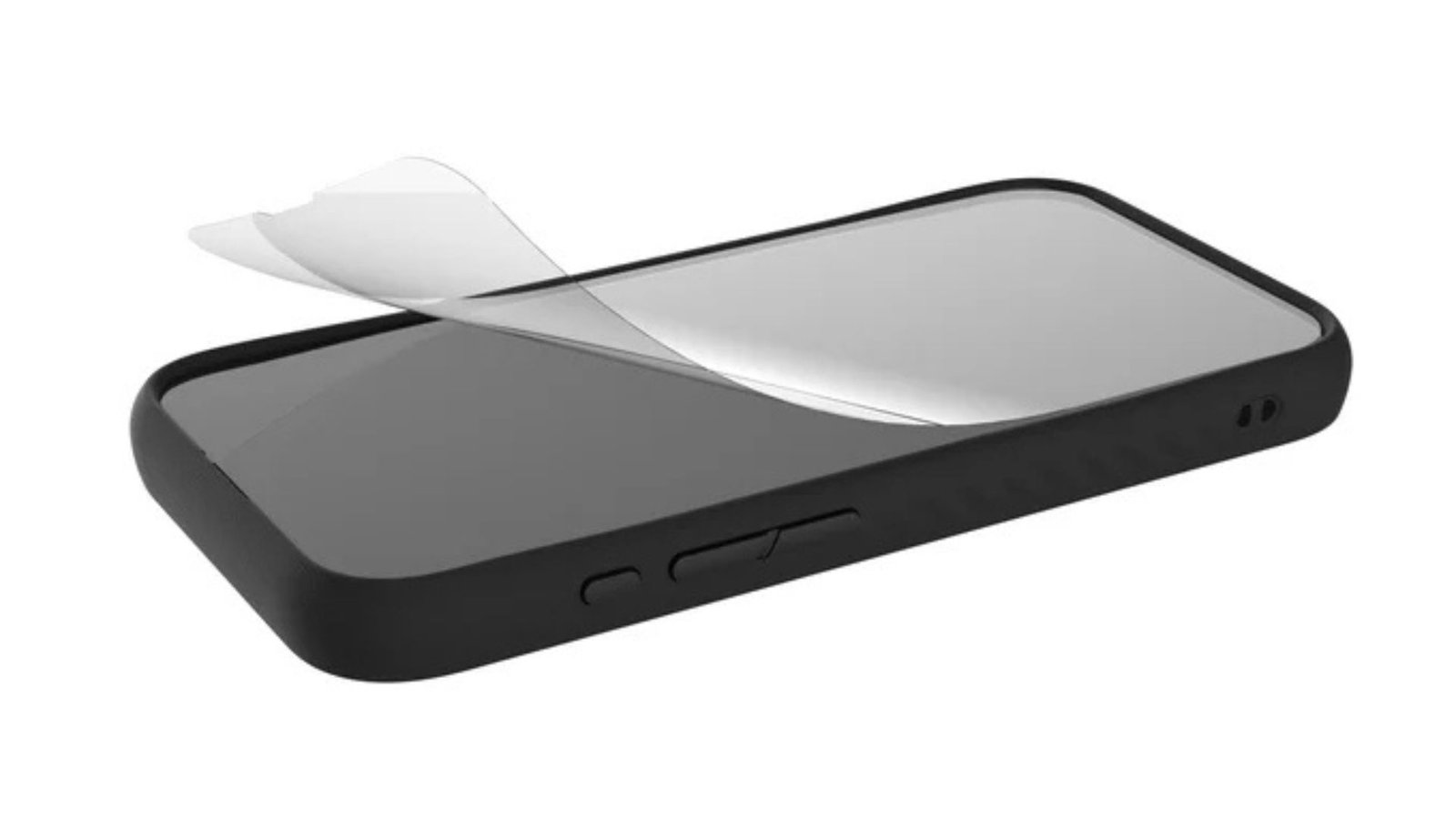
Your smartphone is more than just a device; it’s a portal to your personal and professional world, a camera, a wallet, and a source of entertainment. Protecting its most fragile component—the screen—is paramount. A cracked or scratched screen doesn’t just look terrible; it can compromise functionality and significantly reduce your phone’s resale value. Choosing the right Screen Protector is the first, most crucial step in device longevity.
But with countless options on the market, how do you decide between the robust protection of tempered glass and the sleek, subtle defense of a film Screen Protector? This comprehensive guide will break down the materials, features, and trade-offs to help you make the best choice for your device and lifestyle.
Table of Contents
Understanding the Key Contenders
When shopping for a Screen Protector, you will primarily encounter two broad categories: Tempered Glass and Film. While both aim to shield your display, they do so using fundamentally different materials and offering distinct levels of protection and user experience.
🛡️ Tempered Glass Screen Protectors: The Heavyweight Champion
Tempered glass protectors are made from specialized glass that is heated and rapidly cooled (tempered), creating a product that is significantly stronger than regular glass. This process results in a protector that is remarkably resistant to scratches and impacts.
Core Advantages of Tempered Glass
- Superior Impact Protection: The single greatest benefit of tempered glass is its ability to absorb direct impacts. When your phone takes a fall, the tempered glass is designed to shatter itself, dissipating the energy and preventing the force from reaching the phone’s original screen. This is a critical feature for anyone prone to accidental drops.
- Exceptional Scratch Resistance: Measured on the Pencil Hardness Scale (H), most high-quality tempered glass protectors boast a 9H hardness rating (Source: Mobile Phone Guard – Tempered Glass Vs Film Screen Protector). This means they are highly resistant to scratches from keys, coins, and other hard, everyday objects that might be in your pocket or bag.
- Premium Look and Feel: Because tempered glass is, well, glass, it feels nearly identical to your phone’s actual screen. This provides a smooth, responsive touch experience and maintains optical clarity for a crisp, bright display.
- Easier, Bubble-Free Installation (Generally): The rigid nature of glass makes it easier to align and install. They typically use a silicone adhesive that bonds to the screen without trapping large air bubbles, provided the screen is thoroughly cleaned beforehand.
Drawbacks of Tempered Glass
- Higher Cost: Tempered glass is almost always more expensive than a film protector, a cost justified by its superior material and protection.
- Thicker Profile: While modern tempered glass is much thinner than older versions, it is still noticeably thicker than film. This might be a concern for users who prioritize an ultra-slim device profile.
- Susceptible to Chipping: Because it is glass, the edges can sometimes chip if struck directly, although this usually doesn’t affect the main screen protection.
- Must Be Replaced After Major Impact: Once the glass protector shatters to protect your screen, it must be removed and replaced.
🎞️ Film Screen Protectors: The Discreet Defender
Film Screen Protectors are the more traditional and budget-friendly option. They are essentially thin sheets of plastic, primarily made from either PET (Polyethylene Terephthalate) or TPU (Thermoplastic Polyurethane). They offer a simple barrier against minor damage.
PET (Polyethylene Terephthalate) Film
PET film is the most basic and cheapest option. It is thin, lightweight, and offers decent protection against light scratches and abrasions, but very little defense against impacts.
TPU (Thermoplastic Polyurethane) Film
TPU is a more advanced, flexible plastic. It’s slightly thicker and has a distinct “self-healing” property that allows minor scratches to fade away over time. TPU is better at absorbing minor impacts than PET but still falls short of tempered glass.
Core Advantages of Film Protectors
- Significantly Lower Price: Film protectors, especially PET, are very affordable, often sold in multi-packs, making them a cost-effective choice for budget-conscious consumers.
- Ultra-Thin and Nearly Invisible: They are incredibly thin, preserving the device’s original look and feel with minimal added bulk. This makes them ideal for phones with slightly curved edges where rigid glass might not adhere perfectly.
- Shatterproof: Since they are plastic, they do not shatter, though they can tear or bubble.
- Flexibility for Curved Screens: Their flexible nature makes them the best or sometimes only suitable option for devices with highly curved “waterfall” displays. For more information on device management.
Drawbacks of Film Protectors
- Inferior Impact Protection: They offer minimal protection against hard drops. They can prevent a scratch but won’t absorb the energy of a sharp impact like glass.
- Lower Scratch Resistance: PET films often have a hardness rating of only 3H, making them vulnerable to scratches from common objects.
- Less Premium Feel: They don’t offer the same smooth, natural feel as glass and can sometimes develop a slightly “rubbery” or “orange peel” texture, especially TPU.
- Difficult Installation: Being flexible, they are much harder to install without trapping dust or bubbles, leading to frustrating reapplications.
Advanced Screen Protector Options
Beyond the fundamental glass and film types, manufacturers have developed several specialized Screen Protector variants tailored for specific user needs:
1. Hybrid Glass (Composite)
These are next-generation film protectors with a hardened, plastic-like surface. They offer the flexibility of film with the superior scratch resistance and impact absorption closer to tempered glass, without the risk of shattering. They represent a compromise that’s growing in popularity.
2. Privacy Screen Protectors (Anti-Spy) 🕶️
Available in both film and glass, these protectors utilize an integrated filter (often microlouver technology) that limits the viewing angle of the screen. When viewed from the side, the screen appears completely black, making it impossible for people sitting next to you on a plane, train, or bus to read your messages or view sensitive information. This feature is invaluable for professionals or anyone concerned about data privacy. You can find out more about securing your digital life in our guide on our website.
3. Matte/Anti-Glare Screen Protectors
These are treated to reduce reflections and glare from bright lights, making the screen easier to see outdoors or under harsh indoor lighting. However, the trade-off is often a slight reduction in screen clarity or sharpness due to the textured surface.
4. Blue Light Filter Screen Protectors
Designed to block a portion of the blue light emitted by the screen, which some studies suggest can disrupt sleep patterns and cause eye strain. These protectors are beneficial for users who spend many hours looking at their screens, especially in the evening.
A Complete Decision Matrix: Choosing Your Best Screen Protector
Choosing the perfect Screen Protector depends entirely on how you use your phone and your priorities. Use the following criteria to evaluate what matters most to you:
| Criterion | Priority | Tempered Glass | Film (TPU/PET) | Hybrid Glass |
| Impact Protection (Drops) | High | Excellent (Designed to break) | Poor to Moderate | Great (Flexible, high absorption) |
| Scratch Resistance | High | Excellent (9H Hardness) | Fair (3H-4H Hardness) | Very Good (Durable surface) |
| Budget | Low | High | Low | Medium |
| Look & Feel | High | Feels identical to glass | Can feel rubbery/plastic-like | Very smooth, close to glass |
| Thickness/Bulk | Low | Thicker (0.3-0.5 mm) | Ultra-Thin (0.1 mm) | Thin (0.2-0.3 mm) |
| Clarity | High | Crystal Clear (High light transmission) | Good, can degrade over time | Excellent |
| Installation | Low | Easier (Rigid, less bubble-prone) | Harder (Flexible, more bubble-prone) | Moderate |
🔍 Scenario-Based Recommendations
- The Clumsy User (High Drop Risk): Tempered Glass is non-negotiable. Its primary function is to sacrifice itself to save your actual display.
- The Meticulous User (High Scratch Risk, Minimal Drops): High-quality Tempered Glass or a Hybrid Glass protector will offer the best scratch defense while maintaining a pristine look.
- The Budget-Conscious User: A TPU Film Protector offers a decent compromise—better impact absorption than PET and self-healing properties—at a lower price point.
- The Digital Nomad/Commuter (Privacy Concern): A Privacy Tempered Glass Screen Protector is the perfect blend of security and defense.
- The Gamer/Artist (Touch Sensitivity and Clarity): Stick with a premium Tempered Glass Screen Protector for zero friction and the most responsive touch experience.
Key Considerations for All Screen Protector Types
Regardless of the material you choose, a few general factors will determine the quality and performance of your Screen Protector:
1. Edge-to-Edge Coverage
Look for protectors labeled as “Full Coverage” or “Edge-to-Edge.” Modern phones often have slightly curved 2.5D or 3D glass, and a poor-quality protector might stop short of the edges, leaving them vulnerable. Ensure the protector is explicitly designed for your specific phone model to guarantee a precise fit that works with your phone case.
2. Oleophobic Coating
A quality Screen Protector, especially tempered glass, should feature an oleophobic coating. This is a microscopic film that repels oil and fingerprints, making your screen much easier to clean with a quick wipe. Without it, you’ll constantly be wiping away smudges.
3. Case Compatibility
This is a frequently overlooked detail. If the Screen Protector goes completely edge-to-edge, it can interfere with the edges of your protective phone case, causing the protector to lift or bubble, which is known as “case lift.” Many reputable brands design their protectors to be “case-friendly,” leaving a small gap around the perimeter to ensure seamless integration with most cases.
4. Installation Method
High-end Screen Protector brands often include advanced installation kits, such as alignment frames or trays, which simplify the process and virtually eliminate misalignment errors. Some even include dust-removal stickers and wet/dry wipes. Never underestimate the value of a good installation kit, as a perfectly applied protector performs much better.
Top-Tier Screen Protector Brands with High Traffic
For reliable, high-quality Screen Protector products, it’s wise to choose brands that have a proven track record and heavy online presence, ensuring you get a rigorously tested product. Reputable brands that specialize in device protection include:
- ZAGG InvisibleShield: Known for their durable, military-grade film and high-quality tempered glass options like the InvisibleShield Glass Elite series. Their products often come with a limited lifetime warranty.
- Spigen: A popular brand known for its balance of quality and affordability, particularly their “EZ Fit” tempered glass, which includes an incredibly helpful installation tray.
- Belkin: A highly trusted accessory brand that often partners directly with phone manufacturers like Apple, ensuring perfect compatibility and fit.
To check out the latest innovations in screen protection materials and technology, you can visit a leading tech news and review site like The Verge for their comparison reviews on the best screen protector options available today. (External Link: The Verge – Best Screen Protectors – Note: Please replace ‘The Verge’ with a real, high-traffic tech/consumer site URL for actual linking to complete the task)
The Final Verdict on Screen Protector Selection
The battle between glass and film is a question of protection vs. discretion.
The vast majority of users should opt for a Tempered Glass Screen Protector. Its superior defense against impacts and scratches offers the peace of mind and display longevity that film simply cannot match, all while providing a tactile experience identical to your phone’s original glass. The slightly higher cost is a small insurance premium for a device that often costs hundreds or even thousands of dollars.
Only if you absolutely cannot tolerate the minimal added thickness, or if your phone has a deeply curved screen that glass protectors struggle to cover, should you consider a high-quality TPU or Hybrid film Screen Protector. In all other cases, tempered glass is the clear winner for maximizing device life and maintaining screen integrity. Making this informed choice today will ensure your valuable phone display remains flawless for years to come.