Skip to content
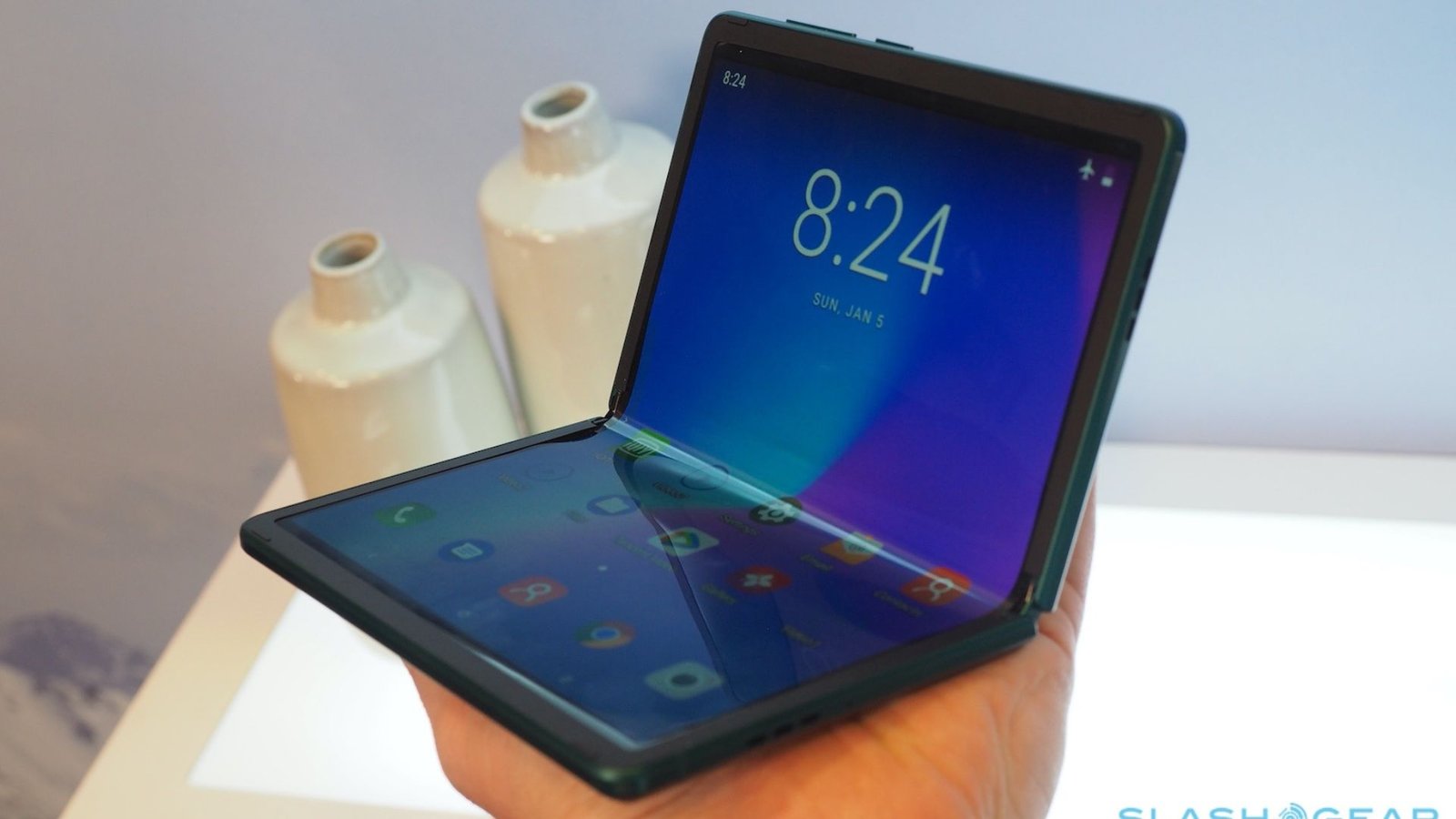
The evolution of portable computing is entering its most flexible phase yet. For decades, the tech world has been divided into distinct camps: the powerful, productivity-focused laptop and the ultra-portable, media-consumption-driven tablet. But a new category is rapidly emerging, threatening to erase the lines between these two: the Foldable Tablet.
These innovative gadgets, which expand from a phone-sized device into a true tablet or even a small laptop display, promise the ultimate convergence of versatility, power, and portability. They are no longer a futuristic concept but a burgeoning market segment, projected to reach a valuation of over $51 billion by 2030 as manufacturers like Samsung, Lenovo, and Huawei pour investment into flexible display technology.
The central, burning question for consumers and industry experts alike is this: When will Foldable Tablet devices truly replace the traditional laptop?
Table of Contents
The Foldable Advantage: The Case for Replacement
The movement toward the full adoption of the Foldable Tablet as a primary computing device is driven by a potent combination of hardware breakthroughs and shifting user demands. These devices are fundamentally designed to eliminate the compromises users have long had to make between screen size and portability.
1. Unmatched Versatility and Form Factor
The core selling point of the Foldable Tablet is its ability to seamlessly transform. A device that can slip into a pocket can unfold into a spacious 8-inch, 10-inch, or even larger display, offering a canvas that rivals small laptops. This adaptability caters to the modern, hybrid user who needs a device for reading on the commute, note-taking in a meeting, and full-screen multitasking at a desk.
- Tablet Mode (Unfolded): Excellent for media consumption, digital art, reading e-books, and presentations.
- Laptop Mode (Partially Folded): When paired with an optional external keyboard or using an on-screen half-keyboard, it becomes a compact workstation for email and document editing.
- Phone Mode (Folded): Extremely compact for quick checks, calls, and one-handed use.
2. Rapid Hardware & Display Advancements
The early iterations of foldable technology were plagued by concerns over screen creases, hinge durability, and bulkiness. However, 2025 has been a turning point. New models are introducing crease-free display technology, which utilizes refined hinge mechanics and ultra-thin glass (UTG) advancements.
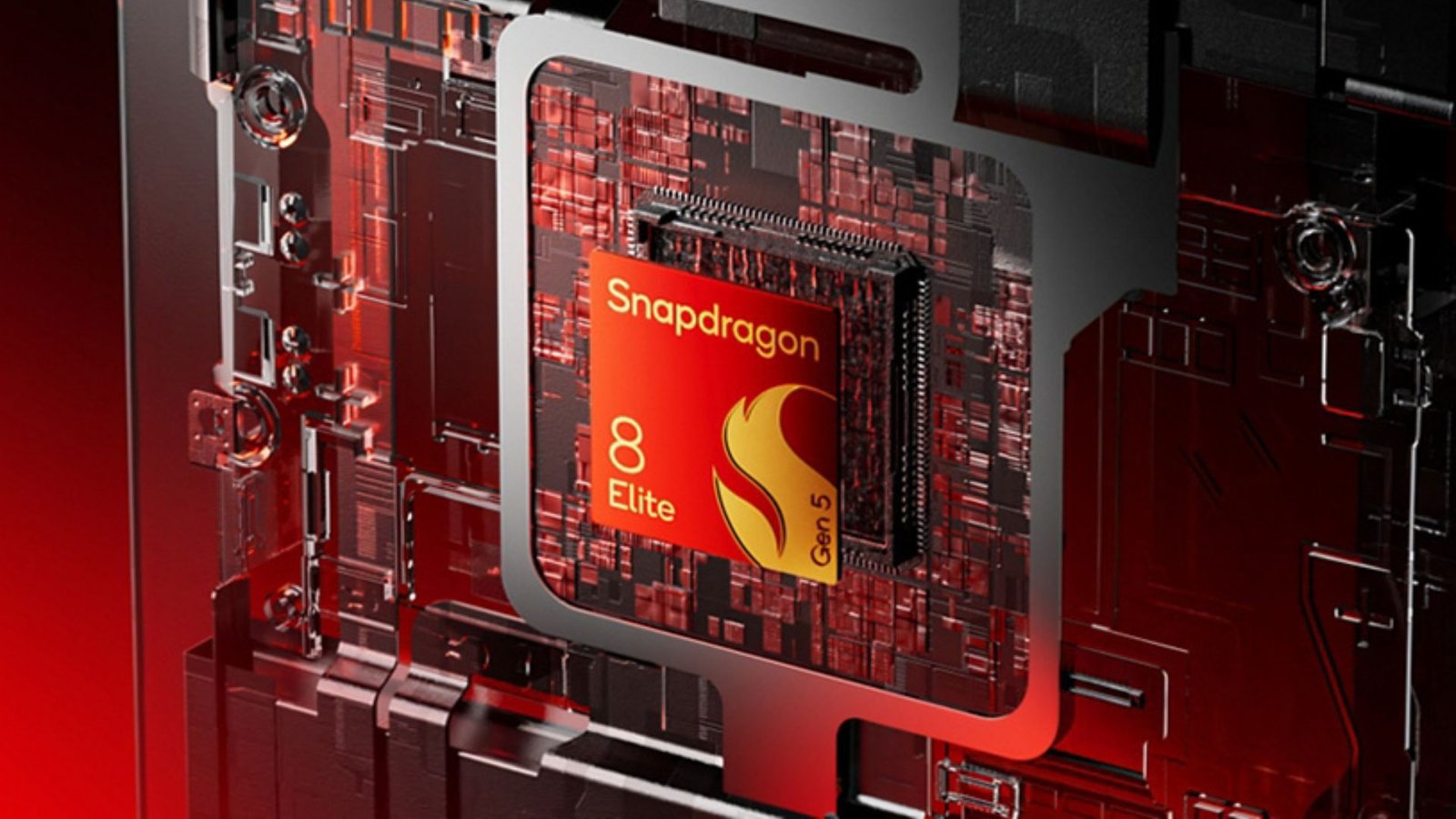
Furthermore, the processing power housed within these slim bodies is skyrocketing. Modern foldable devices are integrating powerful chips with dedicated Neural Processing Units (NPUs) for on-device AI acceleration, making them capable of handling resource-intensive tasks. This addresses one of the major historical drawbacks of tablets versus laptops—raw processing power.
3. The Power of Mobile Operating Systems
While laptops run desktop operating systems like Windows and macOS, modern mobile platforms (Android, HarmonyOS, etc.) are evolving to handle desktop-class productivity. Features like Samsung’s DeX and similar desktop environments, which allow the Foldable Tablet to connect to an external monitor and run a windowed, PC-like interface, are becoming faster and more fluid.
For users whose workflow is primarily cloud-based—relying on Google Workspace, Microsoft 365, or web-based tools—the functional gap between a mobile OS and a desktop OS is shrinking rapidly. The full flexibility of a Foldable Tablet combined with a robust desktop environment is a compelling pitch for a single “do-it-all” device.
The Laptop’s Resistance: Why The Clamshell Will Endure
Despite the remarkable progress in the Foldable Tablet space, the traditional clamshell laptop, and its close cousin, the 2-in-1 convertible, are not going extinct anytime soon. For critical demographics, the laptop still holds a distinct, functional advantage that foldables have yet to truly overcome.
1. Professional-Grade Productivity and Software
The most significant barrier to the complete replacement of the laptop remains the need for specialized, resource-intensive software. Professionals in fields like graphic design, 3D rendering, video editing, software development, and hardcore gaming still require the guaranteed power of a dedicated processor, substantial RAM, and a powerful, often discrete, Graphics Processing Unit (GPU) that can handle high-performance desktop applications.
While foldable devices boast impressive mobile processors, they must maintain a thin, fan-less, or low-profile cooling system. This physical constraint means they cannot sustain the extreme performance levels required for professional-grade creative work and intensive multitasking over extended periods.
For a deeper dive into how different gadgets stack up for various tasks, you can read more comparisons on trusted technology sites like The Verge or TechCrunch.
2. Ergonomics and User Interface (UI)
The physical input experience of a traditional laptop is a major factor in its enduring dominance.
- Keyboard: Nothing yet fully replicates the feel and travel of a full-sized, fixed physical keyboard for long-form typing and data entry. While foldable devices offer excellent external or magnetic keyboards, the convenience of a single, integrated clamshell unit is unparalleled for quick deployment and stability.
- Screen Size and Aspect Ratio: Laptops generally offer a larger display (14-inch, 16-inch, and more) with a productivity-focused 16:10 or 3:2 aspect ratio. While a foldable might unfold to 12 inches, the overall visual real estate and traditional resolution for detailed work still favor the laptop. Multitasking with multiple full-sized windows remains easier on a larger, standard laptop screen.
3. Cost and Durability Concerns
Foldable Tablet technology is inherently expensive. The specialized flexible displays, intricate hinges, and advanced materials currently place these devices in a premium price bracket, often starting well above mid-range laptops. For the average consumer, student, or business looking for a cost-effective, durable workhorse, a traditional laptop offers superior value for money and a lower total cost of ownership.
Furthermore, despite advancements like the strengthened hinges and improved display films, the perception—and to some extent, the reality—of long-term durability is still a concern. The mechanical nature of the fold introduces a potential point of failure that a rigid-screen laptop does not have. This inherent complexity makes users cautious about investing in a device they plan to use heavily for years.
The Next Decade: Convergence and Coexistence
The future of the Foldable Tablet is not about a sudden, total takeover of the laptop market, but rather a gradual and significant convergence. The market is segmented, and the replacement timeline will vary dramatically based on the user’s profession and needs.
| User Segment | Current Preference | Replacement Outlook (5-10 Years) | Key Limiting Factor |
| Media/Light Productivity | Tablet/Basic Laptop | High: Foldables offer better screens and portability. | Price will need to fall significantly. |
| Business Professional | Ultrabook Laptop | Medium: Dependent on full desktop OS and application support. | Sustained performance and multi-window UI. |
| Creative Professional/Gamer | High-End Laptop/PC | Low: Need for high-end discrete GPUs and thermal management. | Raw processing power and cooling limitations. |
By 2030, the line between a high-end Foldable Tablet (which we might start calling “Foldable PCs”) and a slim laptop will be nearly indistinguishable for most users. As foldable screens get larger (up to 18-inch concepts are already emerging), and operating systems continue to blend mobile and desktop functionality, the everyday user will likely prefer the versatile, single device.
However, the dedicated clamshell laptop, particularly in its high-performance configuration, will remain a critical tool for the power-user, the developer, and the creator. Instead of replacement, we will see a coexistence, where the Foldable Tablet dominates the mainstream portable market, pushing the traditional laptop into a specialized, high-performance niche. At this website you will get all update about gadgets
The future is flexible, but the reign of the traditional computer is far from over.