Skip to content
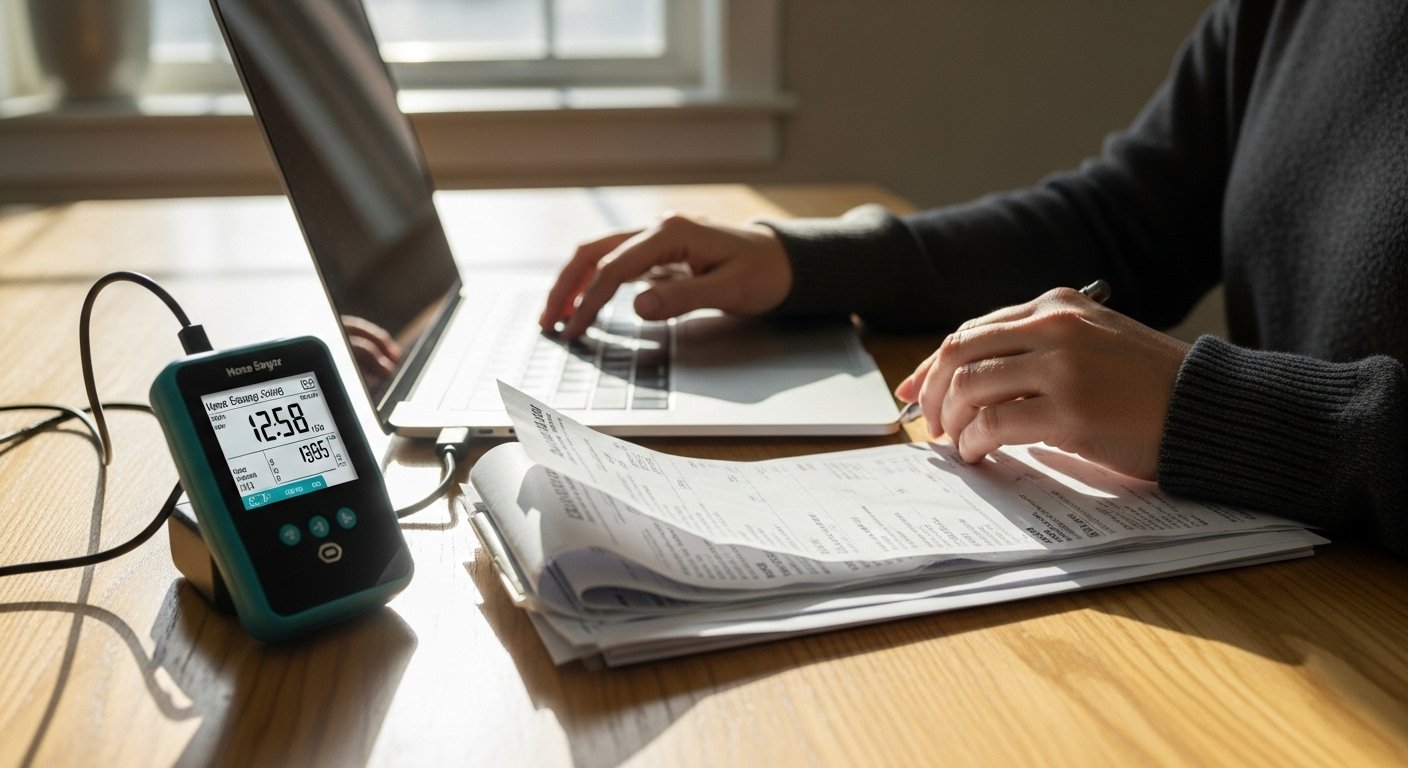
Most people think their utility bills are just another fixed cost of living, but there is a hidden story buried in your monthly power usage. The average American household uses around 1,000 kilowatt-hours of electricity each month. That adds up fast. What you probably do not realize is that some of your devices are silently draining electricity even when they look switched off. This means you could be wasting hundreds of dollars a year for nothing at all.
Table of Contents
- Step 1: Assess Your Current Energy Usage
- Step 2: Identify Energy-Wasting Devices
- Step 3: Implement Energy-Saving Practices
- Step 4: Optimize Heating And Cooling Systems
- Step 5: Monitor And Evaluate Your Energy Consumption
Quick Summary
| Key Point | Explanation |
|---|---|
| 1. Assess Your Current Energy Usage | Review utility bills to identify consumption patterns and peaks in usage for better savings. |
| 2. Identify Energy-Wasting Devices | Conduct a home walkthrough to find devices that use power even when off to prioritize reductions. |
| 3. Implement Energy-Saving Practices | Use strategies like programmable thermostats and energy-efficient bulbs to reduce energy consumption effectively. |
| 4. Optimize Heating and Cooling Systems | Regular maintenance and smart temperature management can significantly lower heating and cooling energy costs. |
| 5. Monitor and Evaluate Energy Consumption | Continuously analyze energy data to identify trends and improve your energy-saving strategies over time. |
Step 1: Assess Your Current Energy Usage
Understanding your current energy consumption is the critical first step in reducing your utility bills. Most homeowners are unaware of their exact energy usage patterns, which means potential savings are often overlooked. By carefully examining how and where you use electricity, you can develop a targeted strategy to cut costs and improve efficiency.
Start by collecting your utility bills from the past 12 months. This comprehensive view will help you track seasonal variations and identify consistent consumption patterns. Pay special attention to the kilowatt-hour (kWh) measurements, which represent your total electricity usage. Look for months with unusually high consumption and try to understand what might have caused those spikes.
To get a more detailed breakdown, consider using a home energy monitor. These devices plug directly into your electrical panel and provide real-time tracking of energy consumption for different circuits and appliances. Our guide on household efficiency offers more insights into selecting the right monitoring tools.
According to the U.S. Department of Energy, the national average household electricity consumption is approximately 1,000 kWh per month. Compare your usage against this benchmark to understand where you might be consuming more energy than necessary. Common high-consumption areas include:
- Heating and cooling systems
- Refrigerators and large kitchen appliances
- Lighting
- Electronics and entertainment systems
Create a simple spreadsheet or use a digital tracking app to log your monthly energy consumption. Note the kWh used, total cost, and any unusual circumstances that might have influenced your usage. This documentation will become a valuable reference as you implement energy-saving strategies in the following steps.
Here is a checklist table to help you track your monthly energy assessment and maintain consistent documentation for better results over time.
| Month | kWh Used | Total Cost | Unusual Circumstances Noted | Improvement Plan |
|---|---|---|---|---|
| January | ||||
| February | ||||
| March | ||||
| April | ||||
| May | ||||
| June | ||||
| July | ||||
| August |
By the end of this assessment, you should have a clear picture of your current energy consumption, identifying potential areas for reduction and cost savings. The insights you gather now will directly inform the targeted improvements you’ll make in the subsequent steps of your energy-saving journey.
Step 2: Identify Energy-Wasting Devices
Not all devices consume electricity equally, and identifying your home’s energy vampires is crucial to reducing utility bills. These silent power consumers drain electricity even when they appear to be turned off, creating an invisible financial burden that accumulates over time. Understanding which devices contribute most to your energy consumption will help you make strategic decisions about reducing waste.
Start by conducting a comprehensive walkthrough of your home, paying close attention to devices that remain plugged in continuously. Electronics like televisions, gaming consoles, computer peripherals, and kitchen appliances are often the biggest culprits of standby power consumption. Modern smart power strips can help you quickly identify and manage these energy-draining devices by cutting power to peripherals when not in active use.
Our guide on household efficiency provides additional insights into managing home electronics. Consider using a dedicated energy monitoring device that plugs into individual outlets, allowing you to measure the exact electricity consumption of each appliance. These tools provide real-time data and can help you pinpoint precisely which devices are consuming the most power.
According to the Natural Resources Defense Council, household electronics and inactive devices consume approximately $19 billion in electricity annually. To efficiently track your devices’ energy consumption, create a detailed inventory that includes:
- Device name and location
- Average daily usage time
- Estimated standby power consumption
- Potential replacement or power-saving strategies
Pay special attention to older appliances, as they tend to be less energy-efficient. Refrigerators, air conditioners, and heating systems from more than a decade ago can consume significantly more electricity compared to modern, energy-rated models. While replacing these devices requires an upfront investment, the long-term energy savings can be substantial.
By the end of this assessment, you should have a clear understanding of which devices are contributing most to your energy consumption. This knowledge will help you prioritize energy-saving strategies and make informed decisions about potential device upgrades or power management techniques in the upcoming steps of your energy conservation journey.
This table compares common energy-wasting devices and appliances found in typical households, allowing you to prioritize areas for improvements and spot energy vampires quickly.
| Device/Appliance | Typical Usage Location | Average Daily Usage Time | Standby Power Consumption | Potential Upgrade/Action |
|---|---|---|---|---|
| Television | Living Room/Bedroom | High | Use smart power strip | |
| Gaming Console | Living Room/Bedroom | High | Unplug when not in use | |
| Computer Peripherals | Home Office | Moderate | Connect to switched outlet | |
| Refrigerator | Kitchen | 24 hours | N/A | Upgrade old models |
| Microwave | Kitchen | Moderate | Unplug if rarely used | |
| Air Conditioner | Bedroom/Living Room | Seasonal | N/A | Replace with Energy Star unit |
| Charger/Adapter | Throughout Home | Low-Moderate | Unplug when not in use |
Step 3: Implement Energy-Saving Practices
With a clear understanding of your energy consumption and waste, it’s time to take concrete steps toward reducing your utility bills. Implementing energy-saving practices requires a strategic approach that combines immediate actions with long-term lifestyle changes. The goal is to create a comprehensive strategy that minimizes energy waste while maintaining your home’s comfort and functionality.
Heating and cooling systems represent the largest energy consumption area for most households, so start by optimizing these critical systems. Install a programmable or smart thermostat that automatically adjusts temperatures based on your daily schedule. During winter, set the temperature a few degrees lower when you’re sleeping or away from home. In summer, raise the temperature slightly and use fans to create a cooling effect. These small adjustments can lead to significant energy savings without sacrificing comfort.
Our guide on household efficiency offers additional tips for home temperature management. Consider sealing air leaks around windows and doors, which can account for substantial energy loss. Use weatherstripping, caulk, or draft stoppers to prevent warm or cool air from escaping.
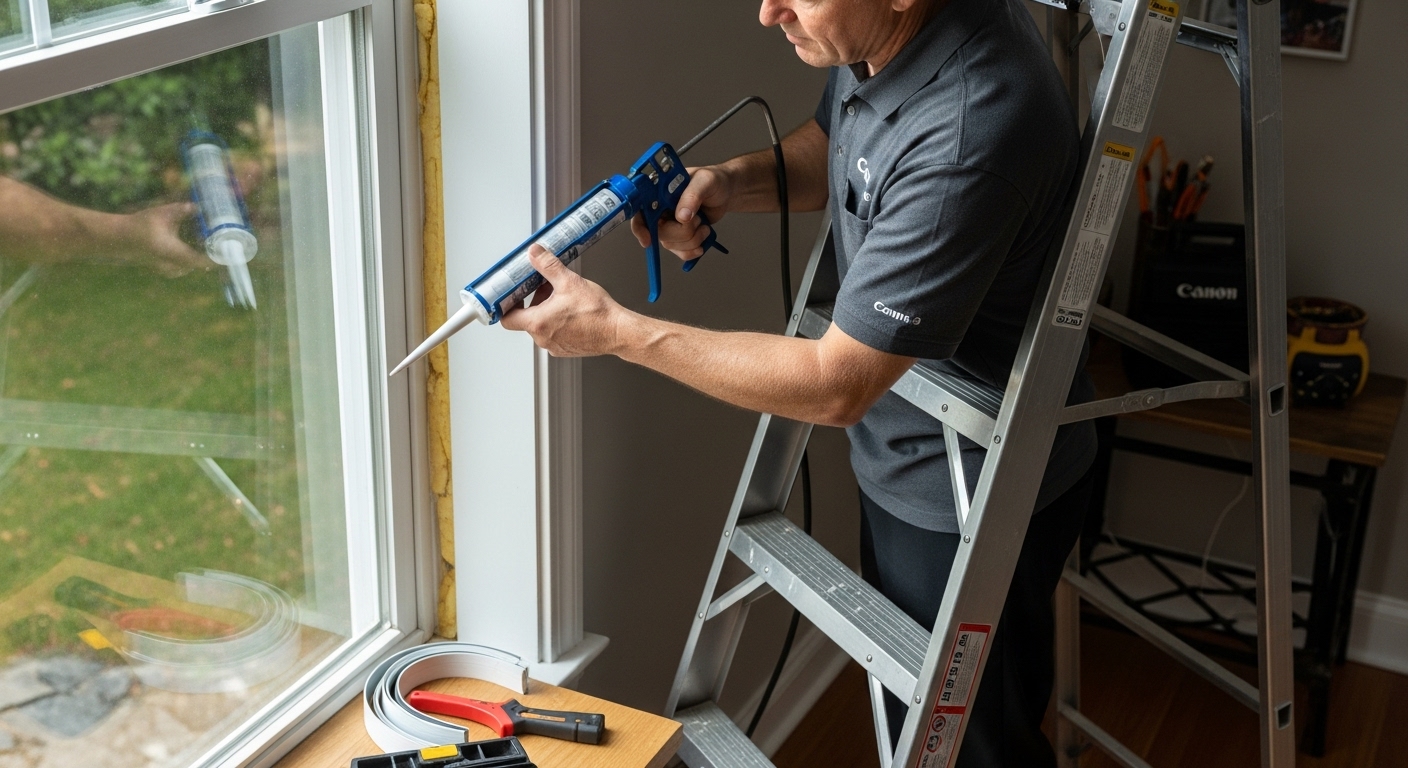 Invest in proper insulation for your attic and walls, as this can dramatically reduce the workload on your heating and cooling systems.
According to the U.S. Environmental Protection Agency, implementing energy efficiency strategies can lead to substantial utility bill reductions. Focus on upgrading to energy-efficient appliances and lighting. Replace traditional incandescent bulbs with LED alternatives, which consume up to 75% less energy and last significantly longer. When purchasing new appliances, look for Energy Star certification, which indicates superior energy performance.
Adopt energy-conscious daily habits that reduce unnecessary power consumption:
- Unplug electronics and chargers when not in use
- Use natural light and task lighting instead of illuminating entire rooms
- Run full loads in dishwashers and washing machines
- Use cold water for laundry when possible
- Air-dry clothes instead of using the dryer
Consider investing in renewable energy solutions like solar panels or solar water heaters. While the initial cost might seem high, these technologies can provide long-term energy savings and potentially generate income through energy credits or net metering programs. Many local governments and utilities offer incentives and rebates for green energy investments, making them more accessible than ever.
By systematically implementing these energy-saving practices, you’ll create a comprehensive approach to reducing your utility bills. The key is consistency and continuous improvement, gradually transforming your home into an energy-efficient environment that saves you money and reduces your environmental footprint.
This table summarizes key energy-saving practices you can implement immediately, along with their primary benefits and ease of implementation.
| Practice | Main Benefit | Ease of Implementation |
|---|---|---|
| Install programmable thermostat | Automated temperature adjustments | Easy |
| Seal air leaks | Prevents energy loss | Moderate |
| Switch to LED lighting | Lower energy usage, longer lifespan | Easy |
| Unplug devices not in use | Reduces standby energy waste | Easy |
| Optimize appliance use | Improved efficiency, cost savings | Moderate |
| Use cold water for laundry | Decreases water heating energy | Easy |
| Air-dry clothes | Saves dryer energy | Easy |
Step 4: Optimize Heating and Cooling Systems
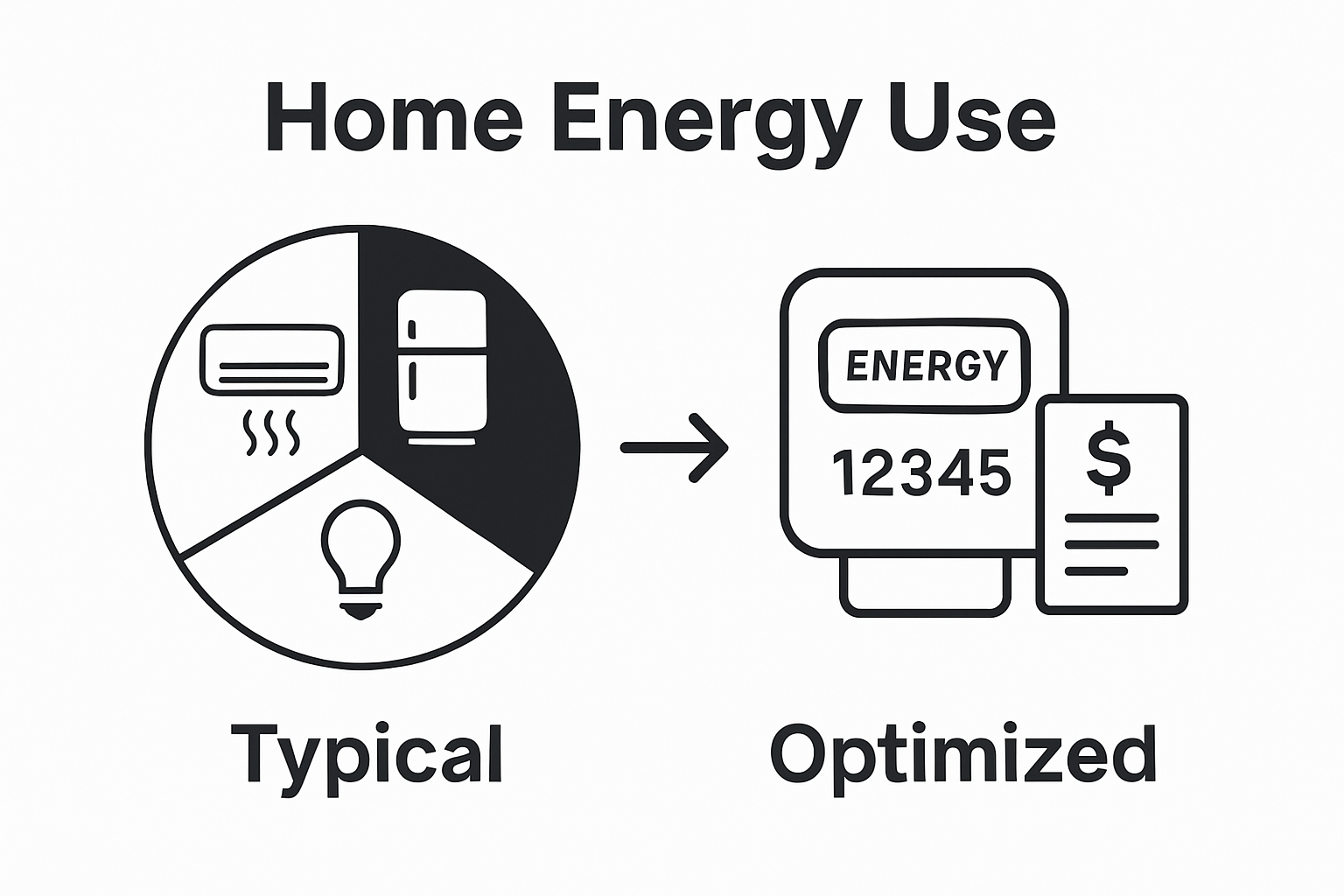
Heating and cooling systems are the most significant energy consumers in most households, accounting for nearly half of your annual energy expenses. Optimizing these systems is crucial for reducing utility bills and creating a more energy-efficient home environment. By implementing strategic improvements and maintenance techniques, you can dramatically decrease your energy consumption without sacrificing comfort.
Smart temperature management begins with understanding your current heating and cooling infrastructure. Start by scheduling a professional HVAC system inspection to identify potential inefficiencies, worn components, or areas requiring maintenance. Regular maintenance can improve system performance by up to 15%, ensuring your equipment operates at peak efficiency. Clean or replace air filters monthly, as clogged filters force your system to work harder and consume more energy.
Our guide on household efficiency provides additional insights into home temperature management. Invest in a programmable or smart thermostat that allows precise temperature control. These devices can automatically adjust temperatures based on your daily schedule, reducing unnecessary heating and cooling when you’re away or sleeping. Program your thermostat to lower temperatures by 7-10 degrees for 8 hours a day, which can save you up to 10% annually on heating and cooling costs.
According to the Environmental Protection Agency, sealing air leaks and improving insulation can significantly reduce energy consumption. Conduct a thorough inspection of your home’s exterior and interior, focusing on potential air leak areas:
- Window and door frames
- Electrical outlets
- Baseboards
- Attic and basement penetrations
- Chimney and plumbing connections
Use weatherstripping, caulk, or expanding foam to seal these gaps, preventing warm or cool air from escaping. Consider adding additional insulation to your attic, walls, and crawl spaces. Proper insulation helps maintain consistent indoor temperatures and reduces the workload on your heating and cooling systems.
Implement zone-based heating and cooling strategies to maximize efficiency. Use ceiling fans to improve air circulation, allowing you to adjust thermostat settings without compromising comfort. In summer, set fans to rotate counterclockwise to create a cooling breeze. During winter, reverse the fan direction to help distribute warm air more evenly throughout your living spaces.
By systematically optimizing your heating and cooling systems, you’ll create a more energy-efficient home that maintains comfort while significantly reducing utility expenses. The key is consistent maintenance, strategic temperature management, and proactive improvements that address your home’s unique thermal characteristics.
Step 5: Monitor and Evaluate Your Energy Consumption
Monitoring and evaluating your energy consumption is the critical final step in transforming your home’s energy efficiency. This ongoing process transforms your previous efforts into a dynamic, adaptive strategy that continues to reduce utility bills and minimize energy waste. Without consistent tracking and analysis, even the most well-implemented energy-saving measures can lose their effectiveness over time.
Modern technology offers powerful tools for comprehensive energy monitoring. Invest in a smart home energy monitoring system that provides real-time electricity consumption data. These devices connect directly to your electrical panel and track energy usage for individual circuits and appliances. Some advanced systems offer smartphone apps that break down consumption by device, time of day, and estimated cost, giving you unprecedented insight into your household’s energy patterns.
Our guide on household efficiency provides additional strategies for tracking home energy use. Create a detailed spreadsheet or use specialized energy tracking apps to log monthly utility bills, recording kilowatt-hour consumption, total costs, and notable variations. This documentation allows you to identify trends, measure the impact of your energy-saving interventions, and predict future consumption patterns.
According to the National Institute of Standards and Technology, effective energy monitoring requires consistent and timely feedback. Set up monthly review sessions where you analyze your energy consumption data, comparing current usage against previous months and your initial baseline measurements. Look for:
- Unexpected spikes in energy consumption
- Seasonal variations in electricity usage
- Performance of recently implemented energy-saving strategies
- Potential new areas for efficiency improvements
Consider conducting a comprehensive energy audit annually. Professional auditors use specialized equipment like thermal imaging cameras to identify hidden energy inefficiencies in your home’s insulation, electrical systems, and HVAC infrastructure. While there’s a cost associated with professional audits, the insights gained can lead to significant long-term energy savings.
Establish a continuous improvement mindset by setting progressive energy reduction goals. Start by aiming to reduce your monthly electricity consumption by 10-15% compared to your baseline measurements. As you implement and refine your energy-saving strategies, gradually increase these targets. Celebrate your achievements and use the financial savings as motivation to continue optimizing your home’s energy efficiency.
By consistently monitoring and evaluating your energy consumption, you transform energy saving from a one-time project into a sustainable, ongoing process that benefits both your wallet and the environment.
Ready to Cut Your Energy Bills for Good?
Tired of unpredictable utility bills and hidden energy waste in your home? If you are struggling with high heating and cooling costs or annoyed by electronics that secretly drain power, you are not alone. This article shows how tracking usage, identifying power-hungry devices, and making strategic changes can lead to serious savings. But knowing where to start and staying on track can be overwhelming without a little extra guidance.
At BreezyTips.com, you will find step-by-step action plans and clear advice for real life efficiency. Dive into our household efficiency hacks to discover practical ways to spot energy-wasting habits and learn about the smartest upgrades for your home. Our main site, BreezyTips.com, is packed with more tools and time-saving tricks to help you take control of your bills right now. Make the switch to a smarter, more affordable home today and check out our guides for your next step.
Frequently Asked Questions
How can I assess my current energy usage?
To assess your current energy usage, gather your utility bills from the past 12 months to track seasonal variations and identify consistent consumption patterns. Focus on the kilowatt-hour (kWh) measurements to pinpoint areas of high usage.
What are the common energy-wasting devices in my home?
Common energy-wasting devices include electronics such as televisions, gaming consoles, and older appliances like refrigerators and heating systems. These can consume significant energy, especially when left in standby mode.
What energy-saving practices can I implement immediately?
You can implement practices such as using programmable thermostats, sealing air leaks, switching to LED lighting, and unplugging devices when not in use. Small adjustments can lead to significant savings.
How can I monitor my energy consumption effectively?
To monitor your energy consumption effectively, consider investing in a smart home energy monitoring system. These devices provide real-time tracking and analysis of your electricity usage, helping you identify trends and make informed decisions.