Skip to content
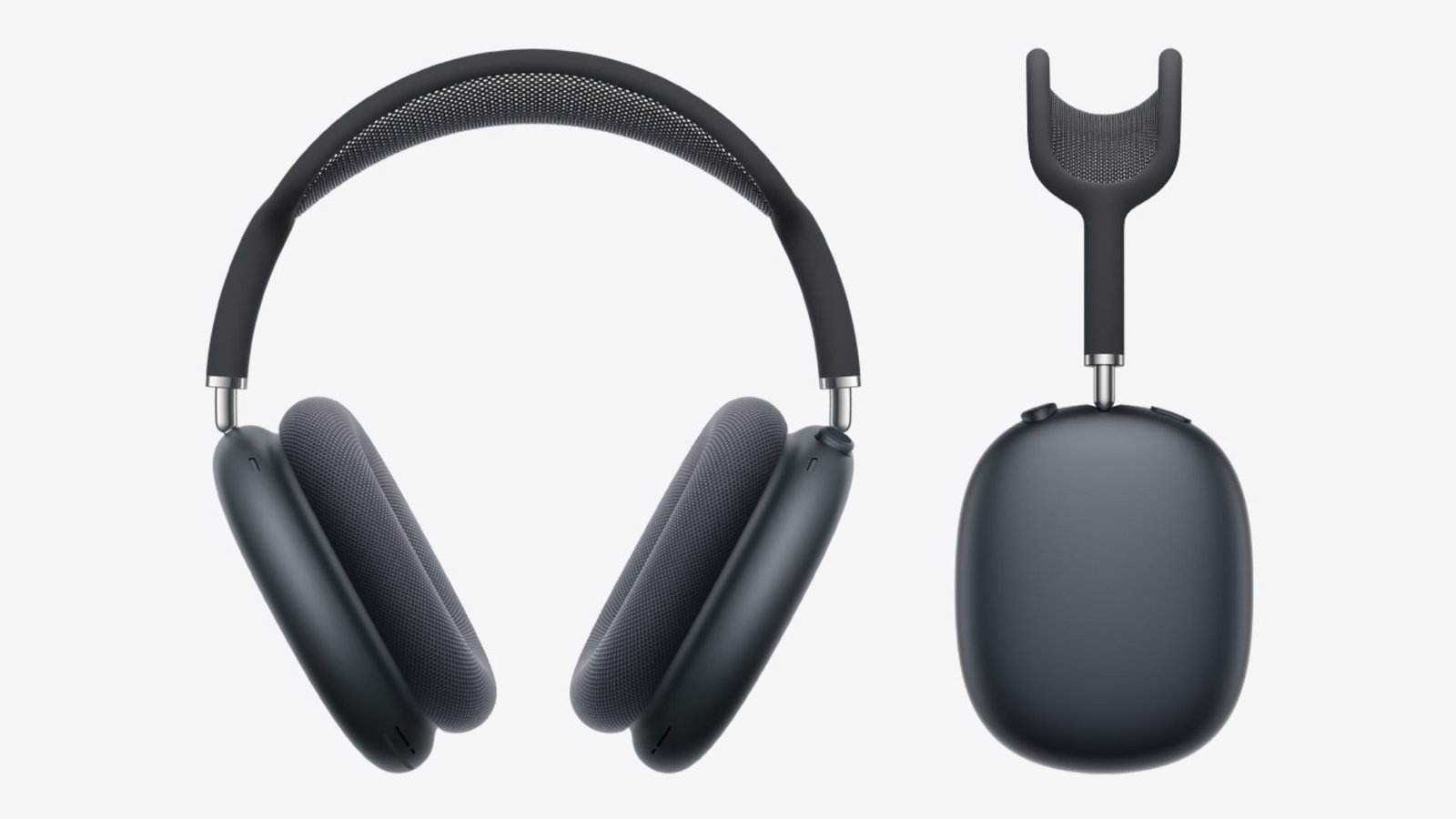
Five years. In the rapidly evolving world of consumer technology, five years is an eternity. Yet, that is how long Apple’s flagship over-ear headphones, the original AirPods Max, have reigned with minimal change. The December 2020 launch brought an unprecedented blend of premium materials, incredible sound quality, and industry-leading Active Noise Cancellation (ANC). But the tech landscape, and user expectations, have shifted dramatically since.
A minor refresh in late 2024 swapped the Lightning port for USB-C and introduced a few new colorways, but it wasn’t the substantive upgrade fans craved. All signs now point to a much, much longer wait for a true successor. The bombshell news, primarily driven by reports from renowned Apple analyst Ming-Chi Kuo, suggests the fully redesigned AirPods Max 2 won’t even enter mass production until 2027. This indicates a likely late 2027 or even early 2028 release date—a potential seven-year gap between generations.
This massive delay raises as many questions as it answers. Why is Apple waiting so long? And, crucially, what major upgrades are coming to the AirPods Max 2 to justify a seven-year wait and maintain their status as the premium benchmark?
Table of Contents
The Seven-Year Itch: Why the Extreme Delay?
The primary reason for the extended wait seems to be a combination of business strategy and the product’s unique positioning. The original AirPods Max, despite its age and high price tag, remains “too popular for Apple to stop selling them, and not popular enough for the company to invest a ton of time and money into creating a new version,” as analyst Mark Gurman has put it (External Link to Bloomberg or MacRumors).
Unlike high-volume products like the standard AirPods or iPhones, which receive annual or biennial updates, Apple seems to treat the AirPods Max line more like a luxury or “pro audio” object with a much longer refresh cycle. They provide steady revenue, and recent software updates, such as the one in March 2025 that added 24-bit, 48 kHz Apple Lossless Audio support via USB-C, continue to squeeze more value out of the existing hardware.
Furthermore, Apple’s engineering focus has been heavily concentrated elsewhere, most notably on the groundbreaking (though highly scrutinized) Vision Pro and the subsequent pivot to smart glasses development. The resources required for a total overhaul of the AirPods Max 2 are significant, and Apple has prioritized areas with greater strategic growth potential. However, for those invested in the Apple ecosystem, the long wait feels like a serious oversight, especially when compared to competitors like Sony and Bose, who release new models almost yearly.
Addressing the Core Complaint: The Weight Problem
The single most frequent and persistent complaint about the original headphones is their substantial weight. At 0.85 pounds (386 grams) without the case, the aluminum construction, while feeling undeniably premium, makes them significantly heavier than the competition, such as the Sony WH-1000XM5. This weight causes user fatigue during long listening sessions, be it a marathon editing session or a long-haul flight.
The good news is that the earliest and most consistent rumor about the AirPods Max 2 directly targets this issue. Ming-Chi Kuo specifically stated that Apple is working on a “lighter” version of the headphones for the 2027 release. To achieve this reduction without sacrificing the luxurious feel that defines the product, Apple may need to make subtle but important changes to the aluminum design, or perhaps utilize advanced, lighter alloys for the earcups and headband arms. A redesigned headband mesh canopy may also contribute to better weight distribution and long-term comfort. The necessity of a lighter design is a key driver behind the full hardware overhaul, ensuring the AirPods Max 2 are comfortable for all-day wear.
The Missing Engine: H2/H3 Chip and Computational Audio
The most disappointing aspect of the 2024 USB-C refresh was the decision to stick with the original H1 chip, which debuted in 2019. This means the current AirPods Max miss out on the latest and greatest features found even in the more affordable AirPods Pro 2, namely the advanced capabilities enabled by the H2 chip.
The AirPods Max 2 are virtually guaranteed to launch with the H2 chip, or potentially a next-generation H3 chip by the time 2027 rolls around. This updated silicon will unlock a suite of powerful computational audio features, including:
- Adaptive Audio: A dynamic mode that blends Active Noise Cancellation (ANC) and Transparency Mode based on the user’s environment.
- Personalized Volume: Adjusts media volume automatically based on the user’s environment and history.
- Conversation Awareness: Automatically lowers media volume and enhances voices when the user begins speaking, similar to the feature found on the latest AirPods Pro models.
This computational boost will not only improve the sound quality and overall efficiency of the AirPods Max 2 but will also likely deliver drastically improved Active Noise Cancellation to finally surpass top-tier competitors like the Bose QuietComfort Ultra.
Next-Level Audio and Connectivity
While the original AirPods Max sound quality is excellent, the lack of truly wireless lossless audio remains a major point of friction for audiophiles. Though the current model offers Lossless Audio when connected via a physical USB-C cable (a recent software addition), the holy grail for a premium wireless headset is wireless hi-res lossless audio.
The launch of the AirPods Max 2 in 2027 could finally deliver this. Apple has patents and a clear technological path (as seen with the high-bandwidth, ultra-low latency connection between the AirPods Pro 2 and the Vision Pro headset) to achieve true wireless lossless streaming. Incorporating an advanced version of the H-series chip paired with the latest Bluetooth standard (perhaps Bluetooth 5.4 or 6.0) will be essential to make this a reality for the next-generation headphones. The pursuit of this ultimate audio fidelity is another reason the AirPods Max 2 require a full, generational hardware leap, not just a simple component swap.
Internal Link Context
The commitment to a long-term, high-fidelity future for audio can be seen as part of Apple’s broader strategy for spatial computing. While the focus on Vision Pro and its immediate successors like the rumored N50 smart glasses is clear, the high-end audio experience remains paramount. In fact, many of the technologies designed for the Vision Pro’s audio delivery could ultimately trickle down to the AirPods Max 2. For a deeper look at Apple’s changing priorities in this space, you can read our analysis on the company’s shift away from an immediate Vision Pro successor to focus on a new era of AR wearables: Apple’s Strategic Pivot: The Fate of Vision Pro 2.
Quality of Life and Design Refinements
Beyond the core performance upgrades, the AirPods Max 2 is expected to tackle the most glaring usability shortcomings of the first generation.
The Case Conundrum: A Necessary Redesign
The notorious “Smart Case,” often mocked for its bra-like appearance and minimal protection, is universally disliked. Numerous patents and persistent rumors suggest Apple is developing a completely redesigned, fully enclosed hard case for the AirPods Max 2. This case is expected to offer actual protection for the headset while likely still incorporating a clever mechanism for quick low-power mode activation. This is a crucial fix; for a $550+ pair of headphones, the case must be protective and functional.
Battery Life and Durability
While the current 20 hours of listening time is sufficient for many, it falls short of competitors like the Sony WH-1000XM5 (30 hours) and the Sennheiser Momentum 4 Wireless (up to 60 hours). With the jump to the H3 chip, the AirPods Max 2 will almost certainly see a significant improvement in battery life to bring them in line with, or even surpass, the competition. Furthermore, improved durability, including better sweat and water resistance (like the IPX4 rating on AirPods Pro), would be a welcome addition, making the Max a viable option for light workouts or rainy commutes—something the original model explicitly warns against.
New Controls and Health Features
While the Digital Crown is a favorite among many for its tactile precision, patents have shown Apple experimenting with touch controls on the earcups. It remains to be seen if Apple will ditch the Crown entirely for the AirPods Max 2 in favor of gesture controls like those on the Sony XM series, or if they will combine the best of both.
Finally, health features have become a priority for Apple’s entire wearable line. There are rumors and patents suggesting the inclusion of new sensors, possibly a heart rate monitor (similar to what is available in some Beats products) or other biometric sensors. This would integrate the headphones more deeply into the Apple Health ecosystem and provide valuable fitness tracking data.
Conclusion: Will the AirPods Max 2 Be Worth the Wait?
The rumored 2027 release date for the AirPods Max 2 means Apple is taking a monumental risk by leaving the category essentially untouched for seven years. By that time, the competition will have pushed the envelope multiple times over.
However, if the leaks and speculation hold true, Apple is preparing a comprehensive overhaul that addresses every major pain point of the original:
- Lighter Design: Solving the comfort problem for long sessions.
- H3 Chip: Unlocking true next-generation computational audio features.
- Wireless Lossless: Delivering the highest possible fidelity without a cable.
- Protective Case: Fixing the most maligned accessory.
The stakes for the AirPods Max 2 are incredibly high. They must not just be an incremental improvement; they need to be a re-defining product for the high-end wireless audio space, much like the original model was in 2020. The market will be unforgiving if the seven-year wait yields anything less than perfection. For the legions of Apple audio fans, the countdown to 2027 begins now.