Skip to content
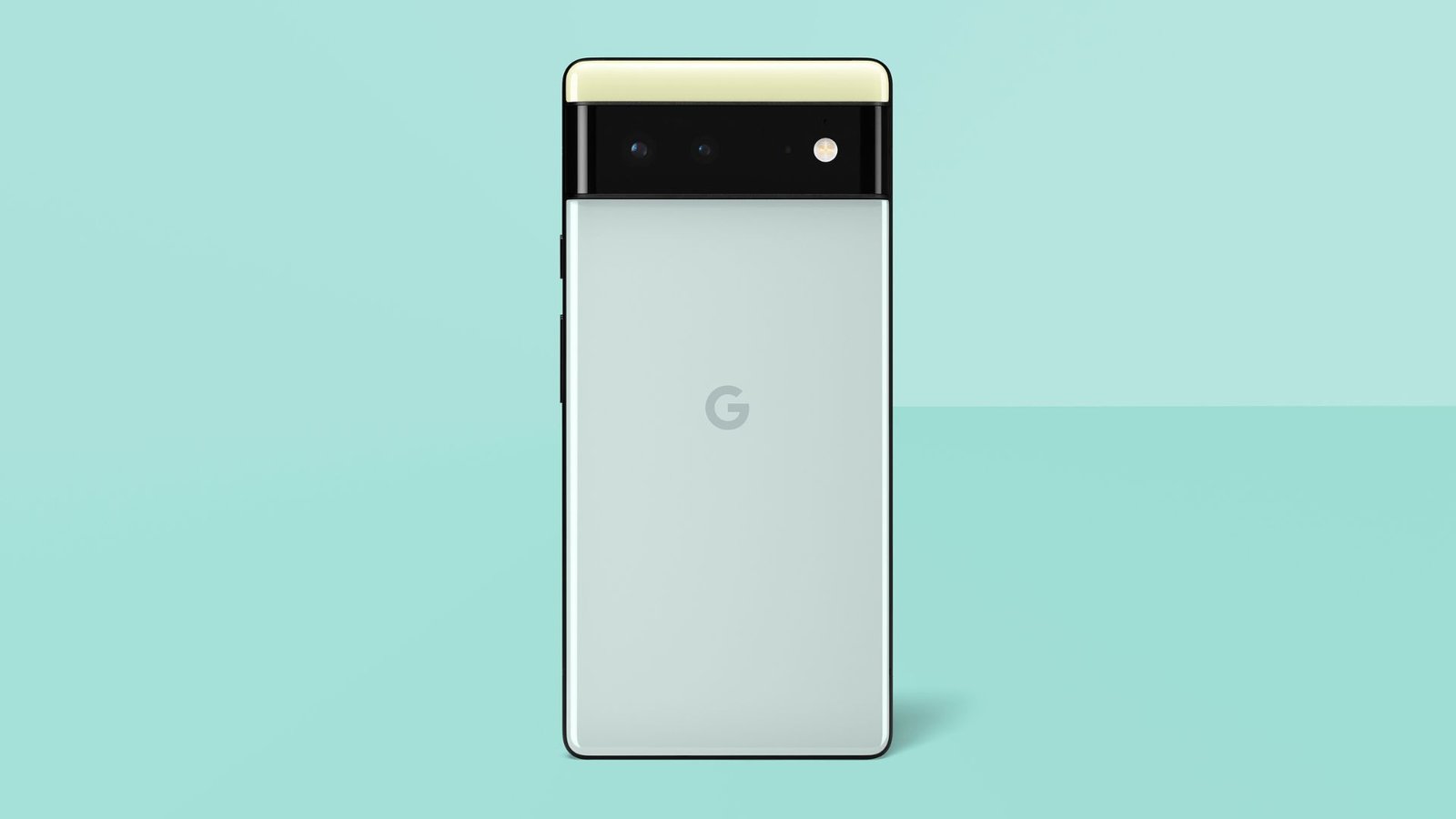
The world of consumer electronics is a fast-paced, high-stakes arena where product lifecycles are measured in months, not years. New devices arrive with fanfare, but sometimes, older models simply vanish without so much as a press release. This was the case recently with the venerable Pixel 6a, a budget darling that quickly carved out a niche for offering premium Google smarts at an accessible price point. However, in a move that has been widely seen as a significant win for consumer safety, the Google Store quietly removed refurbished Pixel 6a units from its online inventory, effectively signaling the end of its official lifespan.
This subtle yet consequential removal was not simply an ordinary product rotation to make way for the newer Pixel 7a or Pixel 8a; it was a necessary and preemptive action to mitigate an escalating, genuine safety hazard tied to the device’s battery. For budget-conscious shoppers and long-time Android users alike, the disappearance of the refurbished Pixel 6a from the official storefront marks the end of an era and a critical reminder that hardware integrity trumps cost savings.
Table of Contents
The Problem That Refused to Go Away: Overheating and Fire Risk
The Pixel 6a was a flagship killer in its own right, boasting the powerful Google Tensor chip—the very same silicon found in its more expensive siblings, the Pixel 6 and Pixel 6 Pro. Its excellent camera system and clean Android experience made it a runaway success in the mid-range market. Yet, beneath the surface of its sleek design, a serious hardware flaw began to manifest: battery overheating and swelling, leading to a risk of fire.
Reports from various users on platforms like Reddit and other tech forums began to paint an alarming picture. Multiple incidents involved the Pixel 6a overheating to the point of melting, with some severe cases leading to minor fires, including one reported incident where a device ignited nearby bedding during overnight charging. These were not isolated technical glitches; they were clear indicators of a fundamental hardware issue within a subset of devices.
The gravity of the situation escalated when, not long before the official removal, the Australian consumer watchdog issued a formal safety warning regarding the Pixel 6a (as reported by outlets like The Hindu, a high-traffic news website). Such regulatory scrutiny transforms a company’s “hardware challenge” into a public safety liability, significantly raising the stakes for the manufacturer. Google was compelled to act decisively to protect consumers and its own reputation.
The Software Patch That Fell Short
In a typical tech company response to hardware trouble, Google first attempted a software-based solution. The company rolled out a mandatory firmware update, often included in the broader Android 16 update, aimed at mitigating the overheating risk. The key mechanisms of this update were drastic: they limited the phone’s performance and charging speeds, particularly for devices nearing a critical number of charge cycles (often around 400). The trade-off was clear: a safer phone, but one with reduced battery capacity and slower charging—a performance throttle designed to keep temperatures in check.
However, the core issue, a deep-seated hardware flaw, proved resilient to a software bandage. Reports indicated that at least one additional Pixel 6a unit reportedly caught fire even after the protective software update was installed. This unsettling development demonstrated the limitations of software fixes when a fundamental component, like the battery or its internal circuitry, is flawed. It was the moment of realization that continuing to sell refurbished units, even with the software patch, was a risk the company could no longer afford to take.
The Quiet Discontinuation and its Market Impact
The removal of the refurbished Pixel 6a from the Google Store, which occurred around late July, was executed with a remarkable lack of fanfare. While new sales of the device had already been phased out, the refurbished units represented the last official, warranty-backed entry point for budget-minded users to get a hold of a Pixel device directly from Google. Priced attractively, they served a vital role in the company’s ecosystem strategy.
The quiet move was a tactical maneuver by Google to clean its hands of a public safety issue without generating a catastrophic news cycle that a full product recall might ignite. Recalls are costly and damaging, yet the Australian watchdog’s warning and the continuing reports of fire incidents meant the company had to stop the flow of potentially faulty devices into the market.
For consumers, the consequences were immediate. The refurbished market landscape for Google’s devices has been fundamentally altered. The mantle of the “cheapest official Pixel with a warranty” now likely falls to the older Pixel 6, or more likely, the subsequent Pixel 7a, which remains on sale. This shift creates a pricing gap for buyers who were specifically targeting the ultra-affordable $249 range.
Navigating the Post-Pixel 6a Landscape
The market, however, is resilient. The removal from the official store does not mean the complete disappearance of the Pixel 6a. The device remains available through various third-party resellers and marketplaces. However, consumers should exercise extreme caution when purchasing the Pixel 6a from unofficial channels, as the risk of acquiring a faulty unit is now known and documented.
For current owners of a Pixel 6a, Google has acknowledged the issue and established relief options, a clear demonstration of corporate responsibility in the face of a hardware failure. The company rolled out a specific “Battery Performance Program,” which makes qualifying devices eligible for either a free battery replacement or financial compensation in the form of a cash payment or Google Store hardware discount credit. This program is the company’s practical commitment to making things right for customers who own an affected device, recognizing the widespread nature of the issue.
Users can, and should, check their device’s IMEI number on the dedicated Google support page to determine if their specific Pixel 6a unit falls under the affected category and is eligible for the compensation program. This proactive step is crucial for mitigating the risk associated with continued use of a potentially compromised battery.
Lessons Learned for the Future of Pixel Hardware
The entire Pixel 6a saga is a crucial case study in the rapid evolution and sometimes painful growing pains of Google’s in-house hardware division. The move to its own custom Tensor chip was a bold step, but it introduced new, unforeseen hardware complexities. The issue highlights a universal truth in technology: integrating cutting-edge features and custom silicon can occasionally lead to reliability challenges.
Google is clearly prioritizing long-term brand integrity and consumer safety over short-term sales from old stock. The decision to quietly discontinue the refurbished Pixel 6a is a testament to this, marking a line in the sand regarding product safety standards. This decisive, albeit silent, action serves as a public reassurance that the company is taking battery-related safety issues seriously—a critical factor for consumers considering newer models like the Pixel 8 or the upcoming Pixel 9.
Ultimately, the market moves on. Newer, safer, and more feature-rich devices continue to push the boundaries of what is possible in the mid-range smartphone category. While the Pixel 6a will be remembered for its exceptional performance-to-price ratio, its final chapter will be defined by the battery safety risk that prompted its unceremonious exit from the official Google Store. For more information visit breezytips.