Skip to content
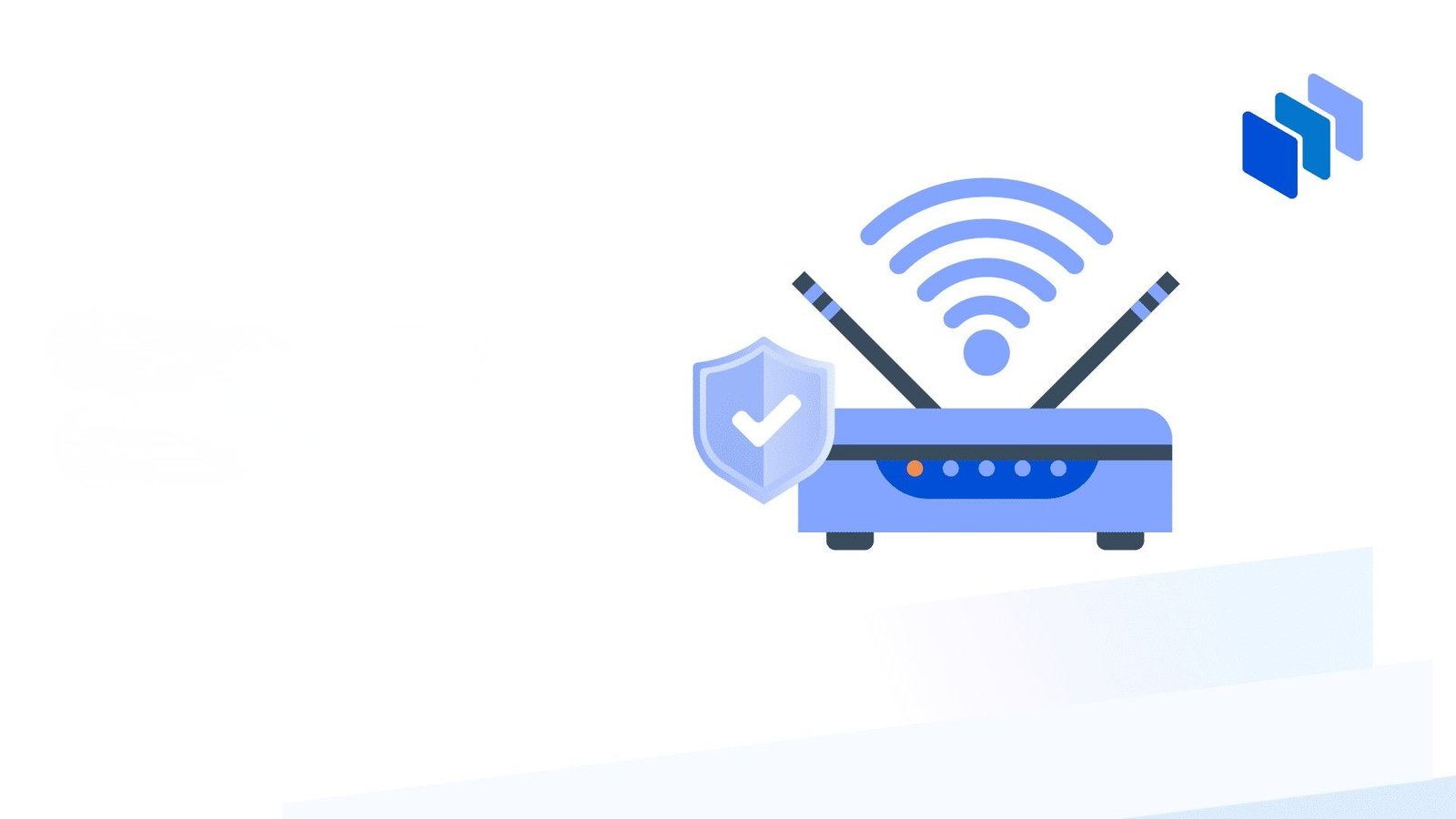
In a world increasingly dominated by smart devices—from phones and laptops to smart TVs, gaming consoles, and countless IoT gadgets—securing your digital life has become complex. Installing a Virtual Private Network (VPN) on a single device is simple, but what about the devices that can’t run a VPN app, like your Roku, Apple TV, or smart fridge?
The answer lies in VPN Routers.
A VPN Router is a game-changer for digital privacy. By installing a VPN service directly onto your home’s central gateway, you create a single, automated, and encrypted shield that covers every single device connected to your Wi-Fi network, 24/7. It’s the ultimate step toward securing your home, ensuring anonymity, and unlocking global content seamlessly. If you’re serious about protecting your privacy, a dedicated VPN Router is no longer a luxury—it’s an essential component of a modern, secure smart home.
Table of Contents
🔑 What is a VPN Router and How Does It Work?
A VPN Router functions just like a standard Wi-Fi router, but with one critical difference: its firmware has been configured to connect directly to a VPN server.
The Problem with Device-Level VPNs
Most people use VPN apps installed on their computers or phones. This works well, but it has several drawbacks:
- Device Limit: Most VPN subscriptions cap the number of simultaneous devices (usually 5 to 10).
- Constant Login: You have to remember to log in and connect the app every time you use a device.
- Non-Native Devices: Devices like Apple TV, PlayStation, Xbox, and smart home gadgets cannot natively install VPN software, leaving them unprotected.
The VPN Router Solution
A VPN Router solves all these issues by shifting the encryption process from the individual device level to the network level.
- Centralized Encryption: Your router is configured with your VPN provider’s credentials (like NordVPN, ExpressVPN, or Surfshark).
- Encrypted Tunnel: All internet traffic leaving the router is immediately encrypted and channeled through the VPN server you select.
- Automatic Protection: Every device—whether it’s a smartphone, a thermostat, or a smart light bulb—that connects to that Wi-Fi network is automatically protected and assigned the VPN server’s IP address.
This creates a “set-it-and-forget-it” security layer that works silently in the background, providing uninterrupted, network-wide anonymity and data protection. For more on the basic principles of network security and encryption, be sure to review our detailed guide on our website.
💡 The Unbeatable Benefits of VPN Routers
The utility of a VPN Router extends far beyond simple privacy, offering critical advantages that standard VPN apps cannot match.
1. Protect Every Device (Including the “Unprotectable”)
This is the single greatest selling point. A modern home can have dozens of Wi-Fi-connected devices:
- Gaming Consoles (PS5, Xbox, Nintendo Switch): Gain protection and potentially reduce lag by connecting to optimized VPN servers.
- Streaming Boxes (Roku, Apple TV, Smart TVs): Secure your viewing and bypass geographic content restrictions.
- IoT Devices (Smart Thermostats, Cameras, Doorbells): These devices are notoriously vulnerable. A VPN Router shields them from potential cyber threats and unauthorized access, creating a crucial security perimeter.
- Unlimited Devices: Since the router counts as only one connection toward your VPN subscription limit, you can secure an unlimited number of devices simultaneously.
2. Always-On, Automated Security (24/7 Encryption)
With a VPN Router, you never have to worry about forgetting to switch on the VPN app. As long as the router is running, your connection is encrypted. This is particularly valuable for:
- Family Protection: Ensures that every member of the household, including children using tablets or gaming consoles, is always surfing securely.
- Instant Anonymity: Your ISP will only ever see one continuous stream of encrypted data, effectively masking your online activity and preventing content-based throttling.
3. Split Tunneling and Policy-Based Routing
High-end VPN Routers and custom firmware (like AsusWRT Merlin or DD-WRT) offer advanced features known as Split Tunneling or Policy-Based Routing.
- How It Works: This allows you to select which devices or apps use the VPN tunnel and which connect directly to your ISP.
- Practical Example: You can set your smart TV and gaming console to use the VPN for geo-unblocking, but allow your work laptop to connect directly to the ISP for maximum speed and to avoid any conflicts with corporate VPNs. This granular control is impossible with a standard VPN app setup.
🛠️ Types of VPN Routers: Which is Right for You?
Not all VPN Routers are created equal. They fall into three main categories based on setup and ease of use.
| Router Type | Description | Best For |
| 1. Pre-Configured (Flashed) Routers | Comes with VPN firmware (e.g., DD-WRT) and your chosen VPN service pre-installed (e.g., ExpressVPN Aircove, FlashRouters’ Privacy Hero). | Beginners and those prioritizing plug-and-play simplicity. |
| 2. VPN-Compatible Routers | A standard, powerful router (e.g., ASUS RT-AX86U, TP-Link Archer series) that supports VPN clients in its native settings. | Users with some technical comfort who want to save money on hardware and perform a simple setup. |
| 3. Manual/Custom Flashed Routers | Standard routers where you manually replace the manufacturer’s firmware with open-source alternatives like DD-WRT or OpenWRT. | Advanced users who want maximum customization, control, and features like granular policy routing. |
Important Consideration: Speed
Encrypting and decrypting data is processor-intensive. When purchasing a VPN Router, ensure it has a powerful processor (dual-core or quad-core, $1.5 \text{GHz}$ or higher) and adequate RAM to handle the encryption load without significantly slowing down your internet speed. Top-tier VPNs like NordVPN (utilizing the NordLynx protocol) and ExpressVPN (using Lightway) have optimized their software to minimize this speed loss, but the router’s hardware is the final bottleneck. Check out expert reviews from sources like TechRadar or PCMag for the latest performance metrics on the best models.
📡 Essential Features to Look for in a VPN Router
When shopping for the best VPN Routers, focus on these technical specifications to ensure future-proofing and high performance:
- Processor & RAM: As noted, look for high-performance hardware. A high-end router, like the ASUS ROG Rapture GT-AX11000, may be expensive, but its powerful CPU is essential for minimal VPN speed degradation.
- VPN Protocol Support: Ensure the router supports modern, high-speed protocols like WireGuard and OpenVPN. WireGuard is generally faster and more modern than OpenVPN.
- Dual-Band or Tri-Band: A Tri-Band router is ideal because it allows you to dedicate one band (e.g., the $5 \text{GHz}$ band) entirely to VPN traffic while leaving the other bands open for high-speed local network activities or devices that don’t need the VPN.
- USB 3.0 Ports: Useful for connecting a high-speed external hard drive for network storage (NAS) or a 4G/5G failover dongle for backup connectivity.
The Ultimate Security Setup: A Dual-Router Strategy
For those who demand both absolute security and maximum, unthrottled speed, the Dual-Router Setup is the definitive choice.
- Router 1 (Main/ISP Router): This router connects directly to your modem and runs without a VPN. This network is used for tasks requiring maximum speed, such as online gaming, video conferencing, or local network file transfers.
- Router 2 (VPN Router): This is your VPN Router (flashed or compatible) that connects to Router 1 via an Ethernet cable. This network is used exclusively for all your streaming, smart TVs, and privacy-sensitive devices.
This strategy allows you to easily switch between a secure, encrypted network and an unencrypted, high-speed network simply by changing the Wi-Fi network your device connects to—offering the best of both worlds.
Conclusion: The New Standard for Home Security
The proliferation of connected devices in the modern home has made securing individual apps obsolete. VPN Routers represent the evolution of online privacy—a robust, automated, and centralized solution that secures your entire digital footprint from the moment you power it on.
By investing in a quality VPN Router, you are moving your home network to a state of default security, protecting not only your data but also those “unprotectable” IoT devices that hackers increasingly target. It’s the ultimate upgrade for anyone committed to digital security and unrestricted global access.