Skip to content
The yearning for the classics—the pixelated worlds, the chiptune soundtracks, and the simple, yet perfectly crafted gameplay of the 8-bit, 16-bit, and 32-bit eras—is a universal experience for gamers. This powerful draw towards the past defines retro gaming. For years, this nostalgia meant digging out old consoles, wrestling with tangled AV cables, and hoping the decades hadn’t degraded the hardware. Today, however, a revolution is underway, one that merges the convenience of modern portability with the magic of bygone eras: retro gaming console emulation in a dedicated handheld device.
These devices aren’t just toys; they are meticulously engineered pocket-sized time machines. They allow you to carry entire libraries, from the Nintendo Entertainment System (NES) up through the PlayStation 2 (PS2) and Nintendo GameCube, right in your backpack. If you’re looking to dive into the world of portable emulation, finding the right hardware is essential to perfecting your retro gaming experience.
Table of Contents
The Modern Revival of Retro Gaming: Why Handheld Emulators?
Why are these new handhelds surpassing the original consoles for many enthusiasts? The answer lies in the fusion of modern technology with legacy software. These dedicated devices offer significant advantages:
- Unrivaled Portability: The ability to play titles like Chrono Trigger or Super Mario 64 during a commute or on a lunch break is a game-changer.
- Performance and Fidelity: Modern processors enable emulation to run classic games faster, smoother, and with optional enhancements like texture upscaling and visual filters (shaders), making games look better than they ever did on a CRT television.
- Convenience Features: Essential quality-of-life additions, such as save states, fast-forward functionality, and easy ROM management, eliminate the frustrations of archaic save systems and long loading times.
The handheld market is broadly split into two technologies: FPGA (Field-Programmable Gate Array) and Software Emulation. FPGA devices (like the Analogue Pocket, discussed later) mimic the original hardware at a transistor level, offering near-perfect accuracy, while the more common software emulation handhelds (like Retroid and Anbernic) use powerful processors to run emulator software, providing higher performance ceilings for newer consoles. To learn more about optimizing your emulation setup and getting the most out of your hardware, check out our comprehensive tech guides.
Tier 1: The Premium Powerhouses (PS2/GameCube/Wii Emulation)
For the enthusiast who demands to push the limits of portable retro gaming, these devices offer the muscle needed to comfortably handle demanding sixth-generation consoles and even early seventh-generation titles. These handhelds often run on powerful Android chips, giving them access to the Google Play Store and a wide array of sophisticated emulators like Dolphin (GameCube/Wii) and PCSX2 (PS2).
AYN Odin 2
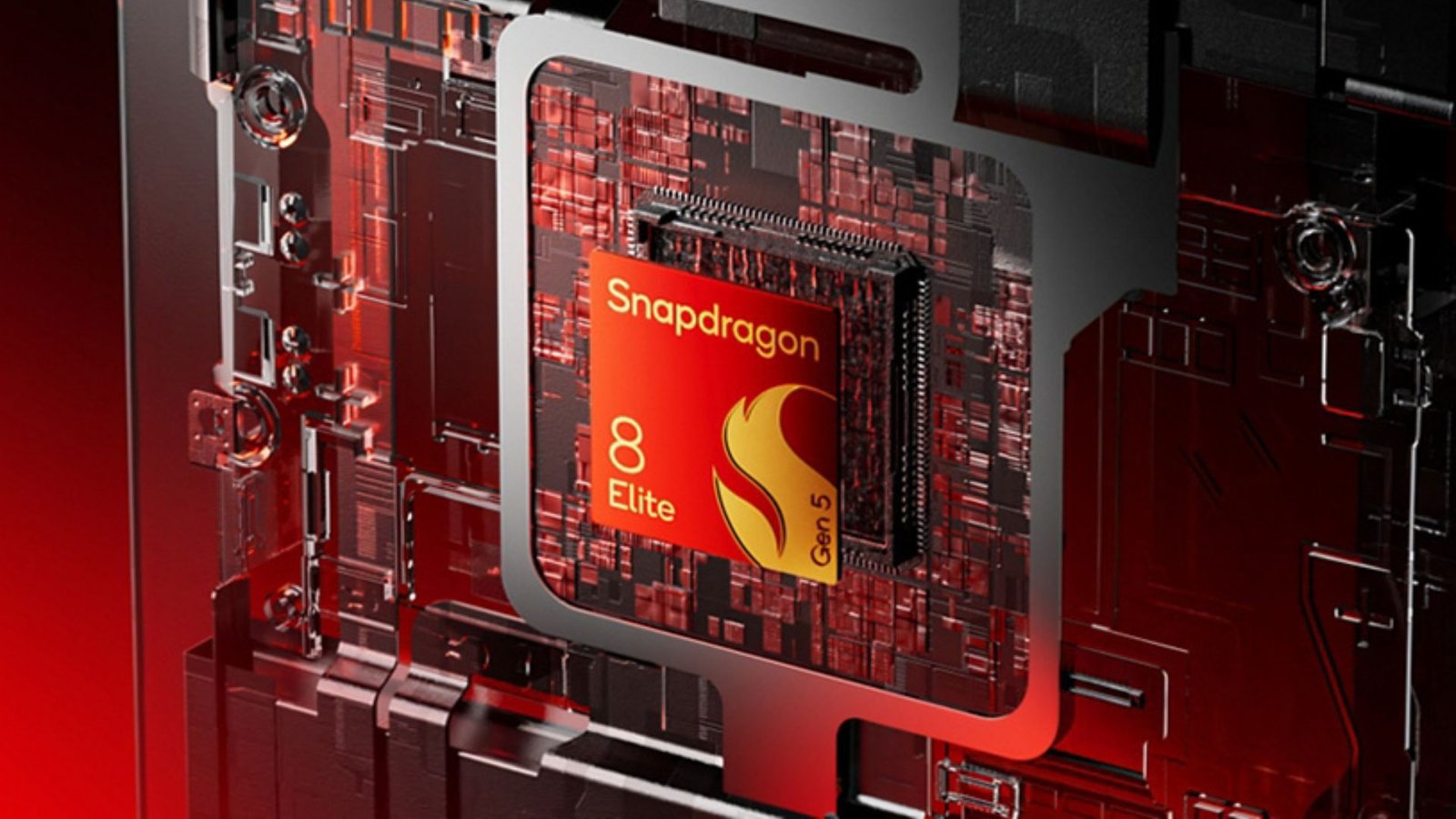
The AYN Odin 2 is frequently hailed as the current king of Android-based retro gaming handhelds. Equipped with the powerful Snapdragon 8 Gen 2 processor, the Odin 2 doesn’t just run PS2 and GameCube games—it excels at them. It can upscale many titles to 2x or 3x the original resolution, turning blurry textures into crisp, vibrant graphics. Its large screen, comfortable ergonomics, and impressive battery life make it the go-to choice for players seeking to emulate the most demanding consoles. It’s a true powerhouse that redefines what portable retro gaming can be.
Valve Steam Deck OLED / ASUS ROG Ally X
While not exclusively built for retro gaming, the Valve Steam Deck OLED and its Windows-based competitors like the ASUS ROG Ally X are arguably the most versatile emulation machines available. They are, at their core, handheld PCs.
The Steam Deck’s desktop environment (based on Linux) allows users to install the popular front-end EmuDeck, which simplifies the entire setup process. This turns the device into a comprehensive hub capable of running every classic console up to the Wii U and even some Nintendo Switch titles. The high-quality OLED screen on Valve’s updated model makes classic games, especially those running in 4:3, look stunningly rich. If you want a device that can play the latest PC blockbusters and all your favorite retro gaming classics, these PC handhelds are the ultimate solution. The capability of these handheld PCs to run high-fidelity games is constantly evolving, as noted by experts reviewing the latest handheld gaming devices.
Tier 2: The Mid-Range Masters (N64/Dreamcast/PSP Emulation)
This tier represents the “sweet spot” for many retro gaming enthusiasts, offering a perfect balance of price, performance, and portability. These devices generally handle everything up to the fifth generation (PS1, N64, Sega Saturn, Dreamcast) perfectly, and often handle a significant portion of the sixth-generation library at native resolution.
Retroid Pocket 4 Pro
The Retroid Pocket 4 Pro has consistently earned high marks for offering incredible value. With a chipset optimized for the Android environment, it handles systems like the Nintendo 64 (N64) and PlayStation Portable (PSP) with flawless performance. PSP in particular, with its 16:9 widescreen format, is a natural fit for the Retroid Pocket’s display. Its user-friendly custom launcher makes diving into your retro gaming collection straightforward, without the complexity of configuring individual emulators.
Anbernic RG405M
For users who prioritize build quality and a classic horizontal form factor, the Anbernic RG405M stands out. Anbernic is a highly respected name in the retro gaming handheld community, known for their metal-shelled models that feel robust and premium. The 405M’s 4-inch screen is perfectly suited for Dreamcast and N64 titles, and its controls—especially the D-pad and analogue sticks—are widely praised for their accuracy. While it may not push PS2 like the Odin 2, it handles the previous generations beautifully, delivering a highly tactile and satisfying retro gaming experience. If you’re a purist who values superior construction, investing in a model from a trusted brand like Anbernic is a smart move. Check out these articles for more details on premium handheld construction.
Tier 3: The Pocket-Sized Classics (PS1/GBA/SNES Emulation)
Sometimes, all you need is something small, affordable, and focused on the classics. This tier is dedicated to devices that specialize in providing perfect performance for the 8-bit, 16-bit, and early 32-bit generations (NES, SNES, Game Boy, Game Boy Advance, and PS1).
Miyoo Mini Plus
The Miyoo Mini Plus is the definition of budget-friendly perfection for portable retro gaming. Its small, vertical, Game Boy-inspired design makes it incredibly pocketable. What truly sets it apart is the thriving community support, which has developed the highly stable and customizable custom firmware known as OnionOS. With OnionOS, the Miyoo Mini Plus delivers a seamless, beautiful interface and near-perfect emulation up to the PlayStation 1 (PS1). It’s an unbeatable entry point for any beginner looking to explore retro gaming without a massive investment.
Analogue Pocket
The Analogue Pocket occupies a unique space in the market. Unlike every other device on this list, it uses an FPGA (Field-Programmable Gate Array) chip, which allows it to physically re-create the logic circuits of classic systems in real-time. This results in the most accurate form of emulation possible. The Pocket is designed to play original cartridges for Game Boy, Game Boy Color, and Game Boy Advance, though its OpenFPGA cores allow for the emulation of virtually any console. Its stunning, high-resolution screen is specifically calibrated to display classic pixel grids with razor-sharp precision, making it a favorite among purists who consider it the gold standard for dedicated retro gaming hardware. Its dedication to hardware accuracy is why it frequently features in discussions about the integrity of the retro gaming experience, as detailed in many industry reviews, including this piece on emulating classic games on portable devices.
Key Features to Look for in a Retro Gaming Handheld
When navigating the crowded handheld market, focusing on these three specifications can help you narrow down your perfect device:
Screen Aspect Ratio
This is crucial for an authentic retro gaming experience.
- 4:3 screens (common on Anbernic and Miyoo devices) are ideal for SNES, NES, PS1, and N64 games, as these systems were originally designed for boxy television screens. They eliminate distracting black bars for those systems.
- 16:9 screens (common on Retroid and PC handhelds) are better for modern Android games, and crucial for PSP and Dreamcast titles, which utilize a widescreen format.
Operating System (OS)
- Linux/Custom OS (e.g., ArkOS, OnionOS): These are “pick up and play.” They boot directly into a unified gaming interface, requiring minimal technical setup. They are generally limited to PS1 era and older.
- Android: Offers superior performance for sixth-generation consoles (PS2, GameCube) and grants access to official Android emulators, but typically requires more setup and configuration.
Control Quality
A good D-pad is non-negotiable for 2D retro gaming. Manufacturers like Retroid and Anbernic are known for using high-quality components. Look for devices with Hall effect joysticks and triggers, which use magnets instead of traditional components, reducing wear and eliminating stick drift—a modern headache for classic controls.
The Future of Retro Gaming Emulation
The handheld emulation scene is moving at an incredible pace. Just a few years ago, reliable PS2 emulation on a portable device was a pipe dream. Today, we are seeing devices capable of running early Switch titles. New, smaller, and more powerful chipsets are constantly emerging, promising even more efficient and affordable hardware capable of high-level emulation. The community-driven nature of this market, with firmware developers and enthusiasts constantly collaborating, ensures that the future of portable retro gaming will be brighter, faster, and more accessible than ever before. This rapid evolution means that today’s top tier may become tomorrow’s mid-range, democratizing access to high-fidelity retro gaming and helping new generations discover these timeless classics.
Conclusion
Choosing the “best” handheld for retro gaming is a personal decision based on your favorite console generation and your budget. For the purist focused on the 8-bit and 16-bit classics, the Miyoo Mini Plus is an exceptional, budget-friendly choice. For the ultimate power and versatility to tackle PS2 and GameCube, the AYN Odin 2 offers unparalleled performance. Regardless of your choice, these modern handhelds have successfully captured the elusive spirit of nostalgia, proving that the best way to enjoy the past is often with the technology of the future. The era of carrying entire libraries in your pocket is here, guaranteeing that your favorite retro gaming memories are always just a button press away.