Skip to content
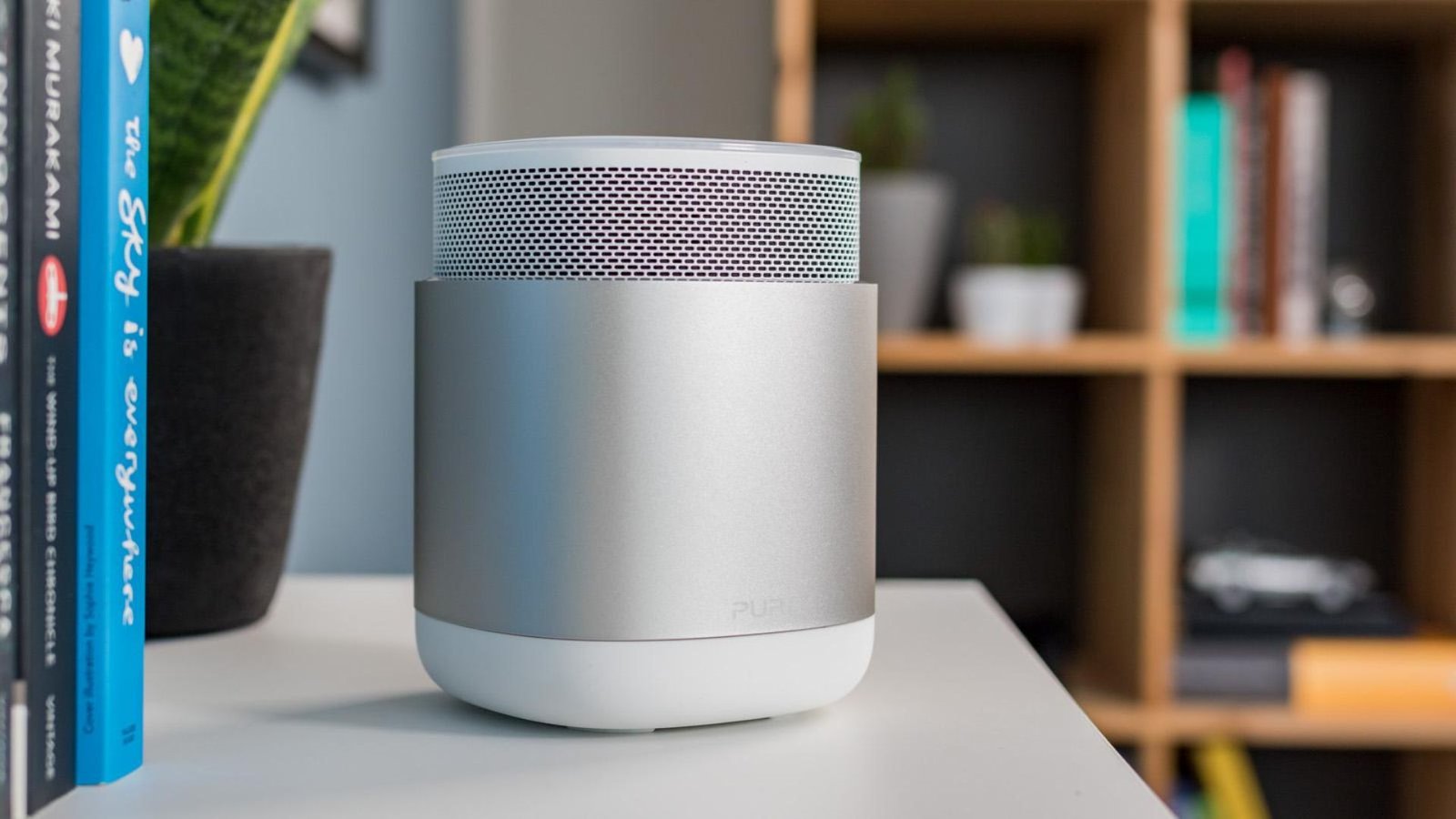
Smart speakers like Amazon Echo, Google Nest, and Apple HomePod have become staples in modern homes, offering hands-free convenience for everything from playing music to managing your smart home devices. They are incredibly useful tools, but their core functionality—being “always listening” for a wake word—naturally raises significant Smart Speaker Privacy concerns. For many users, the question is simple: Is the convenience worth the potential risk to my personal data and privacy?
This comprehensive guide delves into the common privacy pitfalls associated with these devices and provides actionable, step-by-step instructions to mitigate risks, ensuring you can enjoy your device safely and securely. Our goal is to empower you with the knowledge to reclaim control over your voice data.
Table of Contents
The Inherent Privacy Risks of Smart Speakers
Understanding what a smart speaker is designed to do is the first step toward safeguarding your privacy. These devices are equipped with microphones that are constantly in a passive listening mode, scanning for the designated “wake word” (like “Alexa” or “Hey Google”). Only upon hearing the wake word does the device activate, record your subsequent command, and send it to the cloud for processing.
However, several common scenarios expose users to privacy risks:
- Accidental Activation and “Eavesdropping”: The most common concern is accidental activation. Background noise, a snippet of conversation, or a word that sounds similar to the wake word can inadvertently trigger the speaker. When this happens, the device records the conversation that follows and sends it to company servers. News reports have surfaced illustrating this risk, such as one where an Amazon Echo device accidentally recorded a conversation and sent it to a contact.
- Voice Recording Storage and Data Hoarding: Major tech companies, by default, often store your voice recordings and their associated transcripts indefinitely on their servers. This data is used to “train” the AI and improve voice recognition, but it creates a rich profile of your habits, interests, and even personal queries.
- Human Reviewers: Historically, and in some cases, currently, portions of recorded audio are listened to and reviewed by human contractors to ensure the AI correctly understood the command. While companies have revised their policies, the possibility that a stranger could listen to a private conversation snippet remains a significant concern for many users.
- Hacking and Unauthorized Use: Like any Internet of Things (IoT) device, smart speakers are vulnerable to cyber threats. A successful hack could turn your device into a permanent listening bug, or worse, a gateway to the rest of your home network. Researchers have demonstrated flaws, such as one that allowed hackers to install a backdoor on Google Home speakers to control them remotely.
- Third-Party Skills and Apps: The “skills” (for Alexa) or “actions” (for Google Assistant) you install on your smart speaker are essentially third-party apps. If they are poorly secured or malicious, they could potentially continue recording after a command is completed or trick users into revealing sensitive information, such as passwords. This is a critical risk you must be aware of—treat them as you would any app download.
🛡️ 7 Essential Steps for Smart Speaker Privacy Protection
Taking control of your Smart Speaker Privacy doesn’t require throwing the device out the window. By implementing a few straightforward security and privacy hygiene practices, you can significantly reduce your exposure.
1. Master the Microphone Mute Button (Your First Line of Defense)
The simplest and most effective security measure is the physical mute button. All major smart speakers have one, often indicated by a microphone symbol.
- How it Works: When pressed, this button physically or electronically disconnects the microphone, often indicated by a red or orange light. When muted, the device cannot hear or respond to the wake word—or anything else.
- Best Practice: Make it a habit to mute your speaker whenever you are not actively using it, especially during sensitive conversations, private meetings, or when discussing personal financial or health matters.
2. Review and Delete Your Voice History Regularly
Your past conversations don’t need to live forever on a company’s cloud server. Regularly clearing your voice history limits the amount of data that can be potentially exploited or leaked.
- Amazon Alexa:
- In the Alexa app, navigate to Settings > Alexa Privacy > Review Voice History.
- Set an auto-delete function (e.g., delete recordings older than 3 or 18 months).
- Pro Tip: You can also use a voice command like “Alexa, delete what I just said” for quick, on-the-spot deletion.
- Google Assistant:
- Visit Google My Activity or use the Google Home app.
- Navigate to Web & App Activity and manage your recordings.
- Enable auto-delete for your activity (e.g., after 3, 18, or 36 months).
- Pro Tip: Use the command “Hey Google, delete everything I said today.”
- Apple Siri:
- Apple has a stronger privacy stance, often processing speech on-device and using randomized identifiers. You can still delete your history in Settings > Siri & Search > Siri & Dictation History > Delete.
3. Lock Down Your Account and Network Security
Your smart speaker is only as secure as the accounts it’s linked to and the network it operates on. Strong foundational cybersecurity is crucial for Smart Speaker Privacy.
- Strong Passwords and MFA: Change the default password for the account linked to your smart speaker immediately. Use a unique, complex password for this account (and all others). Crucially, enable multi-factor authentication (MFA) on your Amazon, Google, or Apple accounts. This extra layer of security prevents unauthorized access to your voice history and connected services, even if a password is stolen.
- Separate Guest Wi-Fi Network: A top-tier security measure is isolating your IoT devices (like smart speakers, smart TVs, and security cameras) onto a separate guest Wi-Fi network. If a hacker compromises your smart speaker, they will be trapped on the guest network and unable to access your primary network, which holds sensitive devices like your computer and smartphone.
- Regular Updates: Ensure your smart speaker’s firmware and its companion app are always up-to-date. Manufacturers regularly release updates that patch security vulnerabilities. Check with your device manufacturer for their update policy, or, better yet, turn on automatic updates.
4. Audit Your Privacy Settings and Opt-Out of Data Sharing
During setup, smart speakers often default to settings that favor convenience and data collection over privacy. You need to actively dive into the settings and change them.
- Disable Voice Data for Improvement: Most companies default to using your voice recordings to “help improve” their voice services. You must manually opt-out of this. Look for settings like “Manage How Your Data Improves Alexa” or “Include voice and audio recordings” and turn these options off. This prevents your data from being used in AI training or potentially reviewed by humans.
- Limit Personal Results: If your speaker is used by multiple people, disable personal results based on voice recognition or linked accounts to prevent others from accessing your calendar, contacts, or messages.
5. Be Selective with Third-Party Skills and Linked Services
Every third-party skill you enable or every service you link (like your smart door lock or bank account) is another potential entry point for a hacker.
- Audit Your Skills: Regularly review and revoke unnecessary permissions or delete unused third-party skills and actions. If you don’t use a skill, uninstall it. Only download reputable, highly-reviewed skills. The threat posed by malicious third-party apps is an emerging security challenge for all tech users—you can learn more about general app security at this external security resource.
- Avoid Linking Security Devices: For users with heightened privacy concerns, it is advisable to avoid linking sensitive security devices (like smart door locks, alarm systems, or cameras) to your smart speaker. Connecting these creates a single, vulnerable point of access for a potential cybercriminal.
6. Deactivate Unnecessary Features
The smaller the “attack surface,” the safer your device. A device with fewer active features has fewer points that can be exploited by an attacker.
- Turn Off Purchasing by Voice: If you use an Amazon Echo, consider disabling voice purchasing altogether, or at least requiring a verbal confirmation code to prevent accidental or unauthorized purchases.
- Limit Drop-In/Calling: Features like Amazon’s “Drop In” allow a designated contact to listen to your speaker’s microphone remotely, which is a significant privacy concern. Carefully configure or disable this feature unless you rely on it heavily. For more general advice on maintaining home technology, check out this informative article.
7. Choose Privacy-Centric Placement and Device Options
The physical location and your choice of device can play a role in protecting your Smart Speaker Privacy.
- Strategic Placement: Avoid placing smart speakers in sensitive areas like bedrooms or bathrooms. Instead, place them in central, high-traffic areas where their primary function (receiving commands) is intended.
- Consider Privacy-First Devices: If privacy is your top priority, research which manufacturers have the most rigorous privacy policies. Apple’s Siri, for instance, generally performs more processing on the device itself and employs stronger anonymization techniques for server-side requests compared to its competitors.
Conclusion: Convenience with Vigilance
Smart speakers offer undeniable benefits, simplifying and streamlining many aspects of daily life. However, this convenience comes with a necessary trade-off: a constant need for vigilance regarding your Smart Speaker Privacy.
The secret to safe usage is to move from passive acceptance of default settings to active management of your device’s security and privacy controls. By consistently using the mute button, regularly deleting your voice history, and auditing your settings, you transform your always-listening device into a controlled, on-demand assistant.
Remember that technology evolves rapidly. What is a “best practice” today may change tomorrow. Staying informed about new features, security updates, and shifts in company privacy policies, for instance, by following a leading tech publication like Wired, is the best way to maintain a secure smart home environment.