Skip to content
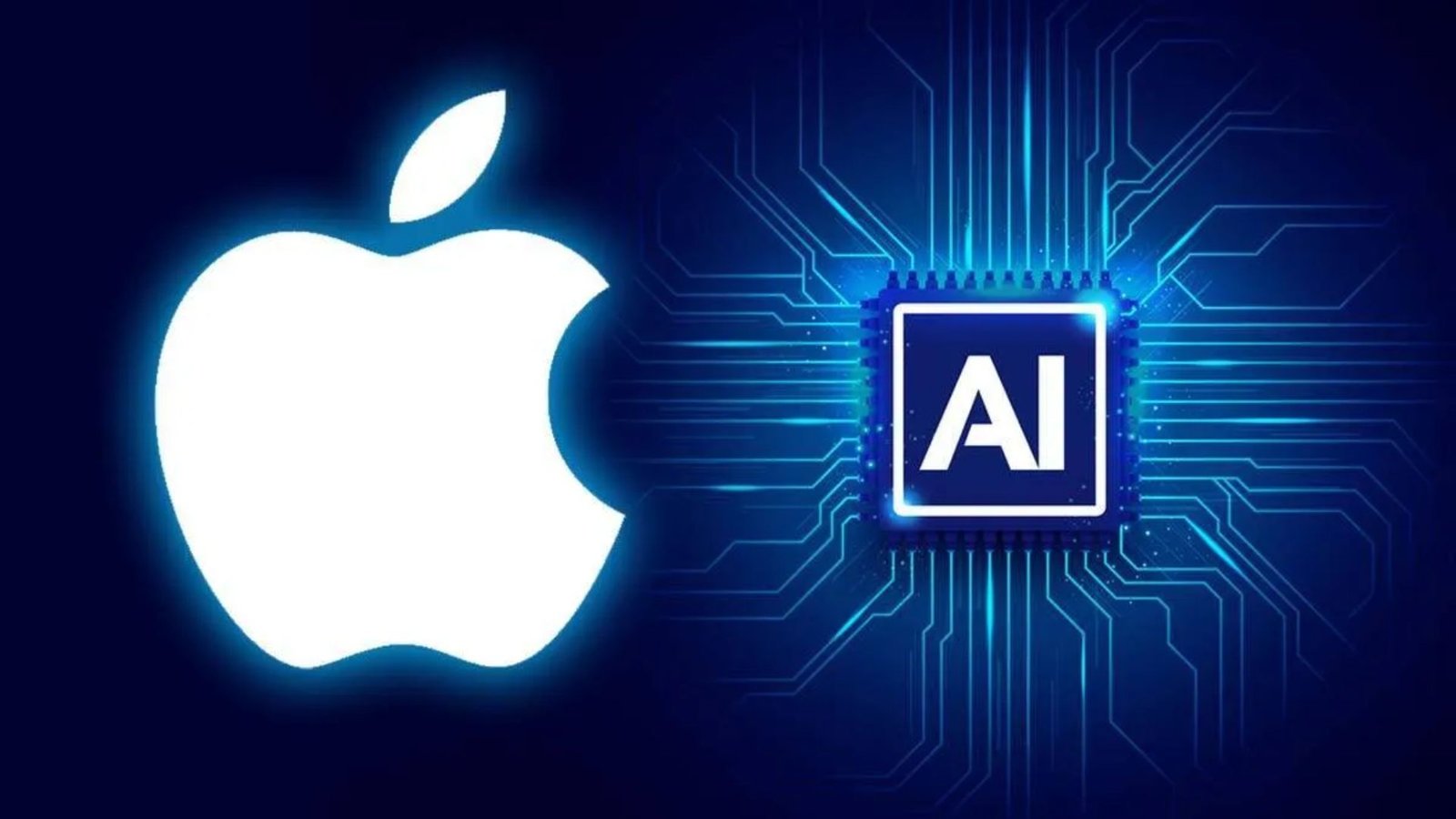
The departure of Robby Walker, a senior director instrumental in the development of Apple’s core AI features, specifically the Answers, Information, and Knowledge team responsible for crucial aspects of Siri and next-generation search, is more than just executive turnover—it’s a glaring symptom of a deeper, systemic crisis within Apple’s artificial intelligence division. As the tech giant, historically dominant in hardware and integrated ecosystems, struggles to keep pace in the hyper-competitive, fast-evolving Apple AI race, Walker’s exit acts as a powerful signal that the company’s signature methodical approach is faltering in the face of the generative AI paradigm.
Table of Contents
The Talent Drain and Strategy Mismatch
Apple’s AI strategy, often characterized by its privacy-first, slow-burn development cycle, has created an internal environment increasingly at odds with the breakneck pace of modern AI development exemplified by rivals like Google, Meta, and OpenAI. Walker’s departure follows a string of high-profile exits, including those of other key AI engineers and researchers. Many of these top minds have been lured away by competitors, particularly Meta, which is aggressively pursuing generative AI with substantial investment and, crucially, a more rapid, less constrained approach to innovation. This talent drain is the first, most visible sign of an internal crisis.
The challenge for Apple is a fundamental clash of cultures. The company’s DNA emphasizes perfection, tight vertical integration, and launching products only when they are meticulously polished. This works for hardware and traditional software, but it is a liability in the world of Apple AI. Large language models (LLMs) and generative AI thrive on constant iteration, massive data feedback loops, and a “ship-and-learn” mentality. For years, Walker and his teams faced the difficult task of modernizing Siri—a system built on an outdated, keyword-based architecture—to compete with the natural, contextual understanding of modern chatbots. The pressure and internal friction became palpable. Reports of delayed projects, including the long-awaited Siri overhaul and next-generation AI-powered search tools, only heightened the sense of internal frustration. Walker himself once defended his team by saying they “swam hundreds of miles” but “still didn’t swim to Hawaii,” a stark public metaphor for the tremendous effort yielding insufficient results against a rapidly advancing horizon.
Siri’s Stagnation: The Canary in the AI Coal Mine
Siri, once a pioneer in voice assistance, has become the most public emblem of Apple’s Apple AI woes. Its functional limitations—frequently returning web links instead of direct, conversational answers, and a lack of contextual awareness—stand in sharp contrast to the capabilities of Google Assistant and generative AI models. The internal turmoil in the AI division directly impacts the timeline and quality of Apple Intelligence, the company’s suite of promised AI features. Significant updates, which many had hoped would revitalize the iPhone experience, have been repeatedly postponed, sometimes indefinitely. This inability to execute on a coherent, cutting-edge AI roadmap fuels the narrative that Apple is playing catch-up, not leading.
The management structure around AI has also seen significant reshuffling, with control over various AI-related functions shifting between senior vice presidents like John Giannandrea, Craig Federighi, and Mike Rockwell. This continuous reorganization suggests a lack of stable, unified strategic direction—a critical failing in a domain demanding long-term vision and commitment. When top talent like Walker, who reported directly to AI chief John Giannandrea, opts to leave, it signals a significant loss of confidence in the current leadership’s ability to navigate this complex domain.
Internal links offer a chance to engage readers more deeply with related content. For example, for a great source on executive decision-making, see how leadership can make or break a company on breezytips.
The Core Cultural Conflict: Privacy vs. Velocity
One of the central dilemmas is how Apple reconciles its core value of user privacy with the demands of generative AI. Apple insists on prioritizing on-device AI processing to protect user data, a commendable stance that aligns with its brand ethos and growing public concern over data security. However, developing powerful, sophisticated LLMs that run entirely on a device without relying on vast, centralized cloud computing resources is technically challenging and time-consuming.
Competitors, largely embracing cloud-based models, can iterate faster and draw upon larger computational power, enabling them to introduce features at a blazing speed that Apple cannot match. The conservative, security-first approach, while a competitive differentiator for Apple’s brand integrity, has effectively handcuffed its pace of AI innovation. The company’s struggle highlights a growing tension in the tech world: can a major player balance ethical AI development and privacy protection with the necessity of competing in a market that prioritizes rapid, often cloud-dependent, feature deployment? The answer, at least for now, seems to be a frustrating compromise for Apple, leading to delays and executive exits.
The potential long-term consequences are profound. If Apple continues to lag, the iPhone, Mac, and iPad ecosystems risk becoming less relevant in an AI-dominated world. The next major platform shift could be defined not by hardware innovation but by intelligent software capabilities—a field where Apple is visibly losing ground. The financial markets are watching closely, with pressure on Apple’s stock and brand value mounting as rivals surge ahead. For an analysis of the financial impact of tech leadership changes, one might look at this article on market volatility.
Looking Ahead: A Pivotal Moment for Apple AI
Robby Walker’s departure isn’t an isolated incident; it’s a reflection of an ongoing Apple AI crisis rooted in strategic, cultural, and executive-level discord. To reverse this course, Apple must do more than just hire a replacement; it needs a radical internal shift. This requires:
- Re-evaluating the Pace: Finding a way to balance the commitment to privacy with a faster, more iterative development cycle. This could involve selective outsourcing, more aggressive M&A activity in the AI startup space, or dramatically restructuring internal compensation and autonomy to match what top talent receives at places like Meta and Google.
- Unifying Leadership: Establishing a clear, singular, and empowered vision for AI that permeates all product teams, preventing the “hot potato” dynamic that plagued Siri’s development.
- A Bold Public Strategy: Moving past vague promises and offering developers and consumers a tangible, cutting-edge vision for Apple Intelligence that proves the company is not just catching up, but is prepared to redefine the AI experience in a manner consistent with its legacy.
The stakes could not be higher. Apple’s future as a technology leader in the coming decades hinges on its ability to move beyond its traditional playbook and successfully navigate the chaotic, high-stakes world of modern artificial intelligence. The Walker exit serves as the latest, and perhaps most urgent, call for fundamental change.
You can learn more about how different companies handle AI development cycles and cultural change in this deep dive on breezytips.