Skip to content
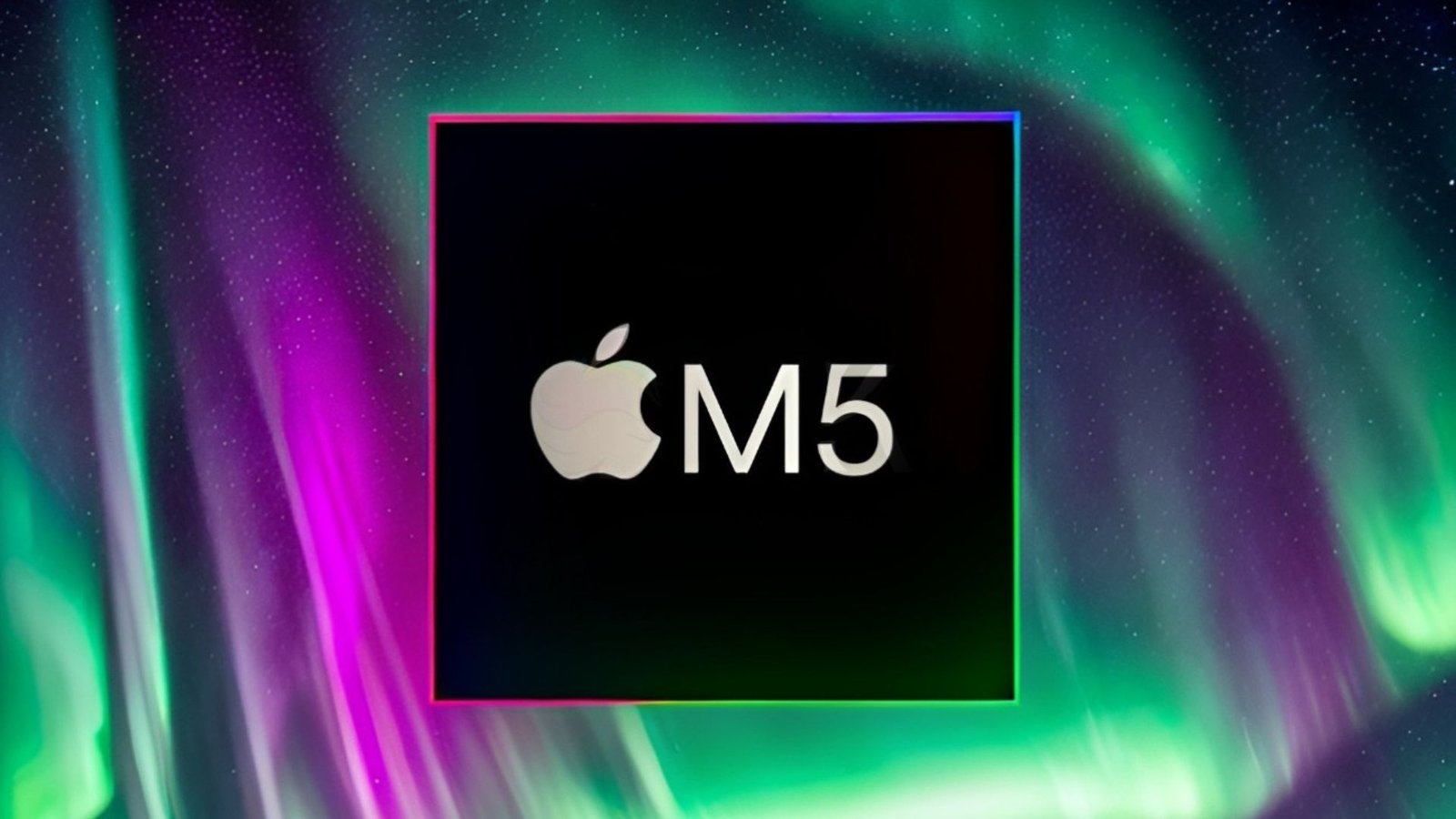
The technological landscape shifts on an axis defined by processing power, and with the introduction of the new Apple M5 chip, that axis has just spun dramatically. Apple has not just upgraded its silicon; it has ushered in a new era of AI-first computing, headlined by a staggering claim: a 4x GPU power boost in peak compute for AI workloads compared to the previous generation M4 chip. This monumental leap is not confined to a single device; it’s a transformative upgrade for the new 14-inch MacBook Pro, the updated iPad Pro, and the Apple Vision Pro, fundamentally reshaping what users can achieve with Apple’s ecosystem.
This is more than a simple clock-speed bump or a minor increase in core count. The Apple M5 represents a foundational architectural change, integrating what Apple calls a “Neural Accelerator” into each of its next-generation GPU cores. This strategic hardware fusion means that GPU-based AI operations—the backbone of everything from generative art to complex data modeling—run dramatically faster and with vastly improved energy efficiency. For professionals, creators, and even the most demanding gamers, the M5 chip is set to be the catalyst for the next wave of on-device performance.
Table of Contents
The Architectural Revelation: GPU and AI Synergy
To understand the magnitude of the 4x GPU power boost, we must look beyond raw teraflops and examine the redesigned architecture. The M5’s GPU is engineered with a purpose: to accelerate Artificial Intelligence. By embedding a dedicated Neural Accelerator within each of the 10 GPU cores, Apple has created a parallel processing powerhouse optimized for the dense mathematical computations that AI models require.
This dedicated hardware pathway separates the M5 from its predecessors and many competing chips. While previous generations handled AI tasks largely through the dedicated Neural Engine, the M5 distributes the AI workload, leveraging the massive parallel processing capabilities of the GPU specifically for AI-related tasks like training or inference. This results in the “over 4x peak GPU compute performance” increase for AI workloads when comparing the M5 to the M4. This means developers can now run significantly larger and more sophisticated AI models directly on the device, preserving user privacy while delivering instantaneous results.
Beyond the raw AI performance, the M5 GPU brings substantial traditional graphics improvements. It incorporates an enhanced shader core architecture, second-generation dynamic caching, and a third-generation hardware-accelerated ray-tracing engine. These improvements translate to up to 1.6x faster graphics performance in pro apps and higher frame rates in games compared to the M4 model, with up to a 45 percent increase in overall graphics performance. For digital artists working in 3D rendering applications like Blender or gamers diving into graphically intensive titles like Cyberpunk 2077, this translates to more realistic visuals, faster rendering, and buttery-smooth gameplay.
The M5 Ecosystem: Power Across All Devices
The deployment of the Apple M5 chip across its flagship lineup—MacBook Pro, iPad Pro, and Vision Pro—underscores Apple’s commitment to a unified, high-performance computing experience.
MacBook Pro 14-inch: The AI-Powered Professional’s Laptop
The new 14-inch MacBook Pro is the first Mac to feature the base M5 chip. It is positioned as the definitive tool for creative professionals and developers, promising to breeze through demanding pro workflows. With the M5, the MacBook Pro delivers:
- Up to 7.7x faster AI video-enhancing performance in applications like Topaz Video compared to an M1 model, and up to 1.8x faster than the M4.
- Up to 6.8x faster 3D rendering in Blender compared to M1, and up to 1.7x faster than M4.
- Up to 3.2x higher frame rates in games compared to M1, and up to 1.6x faster than M4.
The inclusion of the world’s fastest CPU core in the M5, delivering up to 20 percent faster multithreaded performance versus the M4, ensures that activities like code compiling in Xcode or multitasking across intensive creative applications are handled with unprecedented speed and responsiveness. The phenomenal battery life, soaring up to 24 hours, ensures this desktop-class performance is truly mobile.
iPad Pro: Tablet Performance Redefined
The M5’s arrival on the iPad Pro solidifies the tablet’s claim as a true computing platform. The new iPad Pro model leverages the M5’s AI focus to accelerate tasks essential for mobile creators:
- Up to 4x faster AI image generation in apps like Draw Things compared to M1, and up to 2x faster than M4.
- Up to 6.7x faster 3D rendering with ray tracing in Octane X compared to M1, and up to 1.5x faster than M4.
This performance boost, combined with the Ultra Retina XDR display and the new features in iPadOS, makes the M5 iPad Pro an unparalleled device for graphic designers, video editors, and anyone needing high-end performance in an ultraportable form factor. The jump to Wi-Fi 7 connectivity, facilitated by the new N1 wireless networking chip, also means faster and more reliable connections, an essential component for pro workflows. For maximizing your tablet’s capabilities, consider checking out our resource.
Apple Vision Pro: Spatial Computing’s Next Leap
For the Apple Vision Pro, the M5 chip is a game-changer for spatial computing. The 4x GPU compute boost for AI allows for faster, smoother, and more responsive experiences in the mixed-reality environment. The M5’s enhanced 16-core Neural Engine drives AI-powered features up to 50 percent faster, optimizing system experiences like capturing a Persona or transforming photos into spatial scenes. Furthermore, the M5 enables the Vision Pro to render 10 percent more pixels on its custom micro-OLED displays, resulting in a sharper image, crisper text, and more detailed visuals for a truly immersive experience.
The AI Imperative: Driving Apple Intelligence
The true significance of the Apple M5 chip lies in its role as the hardware foundation for Apple Intelligence. The massive acceleration in AI performance, driven by the Neural Accelerators in the GPU and the enhanced Neural Engine, directly powers on-device generative models. This allows for features like:
- Faster text-to-image generation when running diffusion models.
- Quicker execution of Large Language Models (LLMs) in apps, enabling more responsive on-device AI assistants.
- Enhanced performance of core Apple Intelligence features, such as those integrated into Messages and Photos.
The M5’s unified memory architecture, offering a nearly 30 percent increase in bandwidth over the M4 (up to 153GB/s), is also crucial here. This enhanced memory capacity allows the entire chip—CPU, GPU, and Neural Engine—to access a large single pool of memory seamlessly, which is vital for running large, complex AI models entirely on-device. This approach keeps user data private and maintains high performance, even when disconnected from the cloud.
Looking Ahead: M5 and the Future of Computing
The Apple M5 is a definitive statement about the future of personal computing—a future that is inherently AI-centric. By dramatically enhancing GPU power for AI across its key product lines, Apple is ensuring its devices are not just faster, but fundamentally smarter. The M5 is not merely closing a performance gap; it is setting a new standard for on-device AI and graphics acceleration.
For those considering an upgrade, the M5 is a compelling argument. The generational leaps, especially when comparing to M1 or even M2 chips, are transformative. The performance gains are not just in synthetic benchmarks; they are tangible, impacting everything from video editing times and complex 3D modeling to the responsiveness of on-device AI features and overall battery longevity.
The new era of Apple silicon is here, and it’s running 4x faster on the GPU compute front for AI. The integration of this cutting-edge technology into the new MacBook Pro and iPad Pro is set to redefine professional and creative workflows for years to come. To stay updated on how these new chips perform in real-world professional applications, keep an eye on trusted tech publications. You can find detailed reviews and comparative benchmarks on sites like 9to5Mac (for more technical analysis, you can refer to their coverage on the M5 architecture) or CNET (who also covered the M5’s boost to GPU and Neural Architecture). This shift is a powerful validation of Apple’s long-term vision for its silicon.