Skip to content
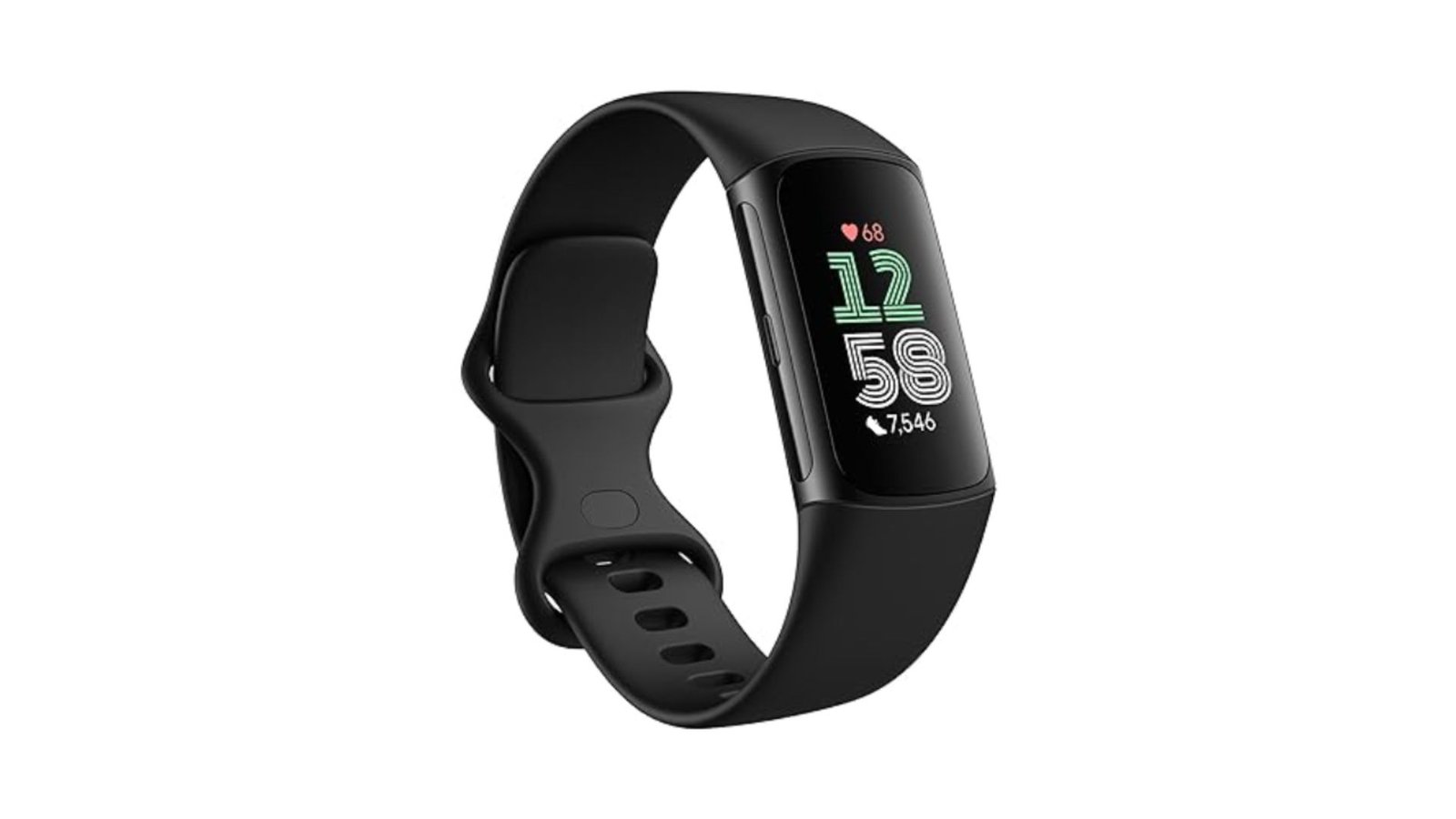
The pervasive rise of the Fitness Tracker has been nothing short of a health revolution. Once bulky and niche, these sleek, wrist-worn devices and smart rings have infiltrated the mainstream, promising to quantify our movements, monitor our sleep, and meticulously calculate every calorie we burn. For millions, the daily ping, buzz, and colorful graph offered by their trusty Fitness Tracker is the primary source of motivation, a digital accountability partner in the pursuit of better health. But as the market floods with an array of gadgets, from budget bands to premium smartwatches, a critical question looms: just how accurate are these devices, and can you truly rely on their data to gauge your progress and hit those ambitious fitness goals?
The short answer, as is often the case in the complex intersection of technology and biology, is: it’s complicated. While modern Fitness Trackers are astonishingly sophisticated, utilizing a combination of accelerometers, gyroscopes, and optical sensors, they are not flawless. Understanding the limitations of the technology is key to leveraging your device effectively—and avoiding the pitfalls of misplaced trust that can actually derail your objectives.
Table of Contents
The Good News: Where the Fitness Tracker Shines
In the world of wearable tech, certain metrics are easier to measure than others. The foundational elements of any Fitness Tracker generally show a high degree of reliability, particularly when operating under standard conditions.
1. Step Counting: The Foundational Metric
For many users, the most-used feature of their Fitness Tracker is the step counter. This is arguably the device’s most accurate function.
- How it works: Fitness Trackers employ a 3-axis accelerometer to detect the distinct movement pattern of a human stride. They use algorithms to translate this movement into a step count.
- The Accuracy: Numerous studies and independent tests have confirmed that for normal walking and running speeds, the step counting feature on most modern, wrist-worn Fitness Trackers is highly reliable, often with a mean absolute percentage error (MAPE) in the single digits. High-end devices, such as the Apple Watch and select Garmin models, frequently demonstrate exceptional accuracy.
- Caveats: Accuracy can dip when you are moving at very slow speeds, pushing a shopping cart, or walking with a peculiar gait. Furthermore, research indicates that the most accurate placement for a step counter is actually on the hip or ankle, though the convenience of the wrist-worn design means this is a trade-off most consumers accept.
2. Heart Rate Monitoring: A Reliable Guide
Most contemporary Fitness Trackers use a technology called Photoplethysmography (PPG)—the green LED lights on the back of your watch—to measure heart rate.
- How it works: The green light penetrates the skin and reflects off the blood flowing through your wrist. Since blood volume changes with each heartbeat, the device can measure the resulting fluctuation in reflected light to calculate your pulse.
- The Accuracy: When you are at rest, or engaging in steady-state exercises like walking or running at a consistent pace, the heart rate (HR) monitoring of a quality Fitness Tracker is surprisingly accurate, often within 5% of a medical-grade electrocardiogram (ECG). This reliability makes it a useful tool for tracking resting heart rate, a key indicator of cardiovascular fitness.
- Caveats: Accuracy tends to drop during high-intensity interval training (HIIT) or activities that involve rapid, jerky wrist movements, such as weightlifting or certain sports. This is due to ‘motion artifact,’ where the movement disrupts the sensor’s ability to maintain a consistent skin contact and reliable light signal.
The Caution Zone: Where Accuracy Varies Widely
While step counting and steady-state heart rate are generally dependable, other key metrics that are essential for meeting weight loss or athletic performance goals tend to be much more variable and should be viewed with greater skepticism.
1. Calorie Expenditure (Energy Expenditure)
This is perhaps the most significant area of concern. The number of calories burned—or energy expenditure—is arguably the most sought-after piece of data for anyone focused on weight management, yet it’s the metric where your Fitness Tracker is most likely to be inaccurate.
- The Challenge: Accurately calculating calories burned requires taking into account a host of individual factors like basal metabolic rate (BMR), muscle mass, fitness level, and the precise mechanical efficiency of a person’s movement. A consumer Fitness Tracker uses your height, weight, age, and sex (data you manually enter), combined with motion and heart rate data, to estimate this value using a proprietary algorithm.
- The Reality of Error: Studies have consistently shown that Fitness Trackers can significantly under- or overestimate calorie burn. Errors can range from 10% to over 40%, with one famous Stanford study finding that the least accurate device was off by an astonishing 93%. If you are meticulously counting calories for weight loss, basing your caloric intake on a Fitness Tracker’s burn estimate can easily lead to a significant deficit or surplus error.
- The Takeaway: Use the calorie burn number as a trend indicator (e.g., “I burned more today than yesterday”), not as a precise number for calorie budgeting.
2. Sleep Tracking: A Focus on Quality, Not Just Quantity
Sleep tracking has become a hallmark feature, breaking down your night into stages like REM, Deep, and Light sleep.
- How it works: Fitness Trackers typically use the accelerometer to detect movement and the heart rate sensor to infer sleep stages. Periods of stillness and a low heart rate are interpreted as sleep.
- The Accuracy: While most trackers are good at detecting when you fall asleep and wake up (sleep duration), their ability to accurately distinguish between the stages of sleep is questionable when compared to a Polysomnography (PSG), the medical “gold standard.” They tend to overestimate total sleep time and underestimate the time you spend awake. Specialized wearables like smart rings often have higher accuracy for sleep stages due to being worn on the finger, which provides a better blood signal, but even they are approximations.
- The Takeaway: Your Fitness Tracker is best used to track the consistency of your sleep schedule and notice trends like a consistently low amount of deep sleep. If you are struggling with chronic poor sleep, the data can be a great discussion starter with a doctor, but it is not a diagnostic tool. The World Health Organization (WHO) offers comprehensive guidelines on the importance of sleep for overall health, which you can explore on their official website.
Maximizing the Utility of Your Fitness Tracker
Despite their limitations in precision, the undeniable power of the Fitness Tracker lies not in its absolute numbers, but in its ability to influence behavior. The concept of “quantified self” is a powerful motivator.
1. Focus on Relative Trends, Not Absolute Values:
Instead of obsessing over the precise number of calories burned today, look at the big picture:
- Progress Over Perfection: If your average weekly step count is steadily climbing, you are succeeding. If your resting heart rate is trending downwards over months, your fitness level is improving.
- Consistency is King: The primary value of the Fitness Tracker is that it encourages you to move more and sit less. Hitting your daily move goals and activity targets provides a psychological reward that reinforces positive habits. This is crucial for long-term adherence to a healthy lifestyle.
2. Ensure Proper Setup and Wear:
To maximize your device’s limited accuracy, follow best practices:
- Accurate Biometrics: Double-check that your height, weight, age, and sex are accurately entered in the companion app. These numbers are the bedrock of the algorithm’s calculations.
- Snug Fit: For heart rate monitoring, your Fitness Tracker should be snug, but not uncomfortably tight, and worn above the wrist bone. A loose device will result in wildly inaccurate readings.
- Firmware Updates: Always keep your device’s firmware and app updated, as manufacturers constantly refine their proprietary algorithms to improve accuracy.
3. Use the Data for Awareness and Goal Setting:
Your Fitness Tracker provides excellent data for self-discovery:
- Heart Rate Zones: Use the HR data during workouts to ensure you are staying in the target zones for cardio or fat burn, as recommended by a trusted health source like the Mayo Clinic.
- Accountability: The notification to “Stand Up” or the visible gap in your daily ring completion is a powerful nudge. This simple, immediate feedback loop is one of the biggest drivers of increased daily activity.
Conclusion: A Tool, Not a Tyrant
The wearable Fitness Tracker is an incredible technological achievement, successfully placing a small laboratory on your wrist. It is a fantastic tool for promoting a more active, healthier lifestyle by providing awareness and encouraging consistency.
However, it is crucial to temper your expectations. While it is highly effective at counting steps and measuring steady-state heart rate, its ability to calculate complex metrics like calorie expenditure and precise sleep stages remains a work in progress, limited by the physics of wrist-worn sensors.
Ultimately, your Fitness Tracker is a compass, not a calculator. It can point you in the right direction and confirm you’re generally on course, but it shouldn’t replace common sense or the advice of medical professionals. Use your Fitness Tracker to build positive habits, monitor long-term trends, and stay motivated. If the data it provides seems inconsistent or alarming, use it as a prompt to seek more definitive, clinical measurements. By understanding its strengths and weaknesses, you can harness the true power of your Fitness Tracker to stay accountable and genuinely help you meet your overall health and fitness goals. For more information visit breezytips.