Skip to content
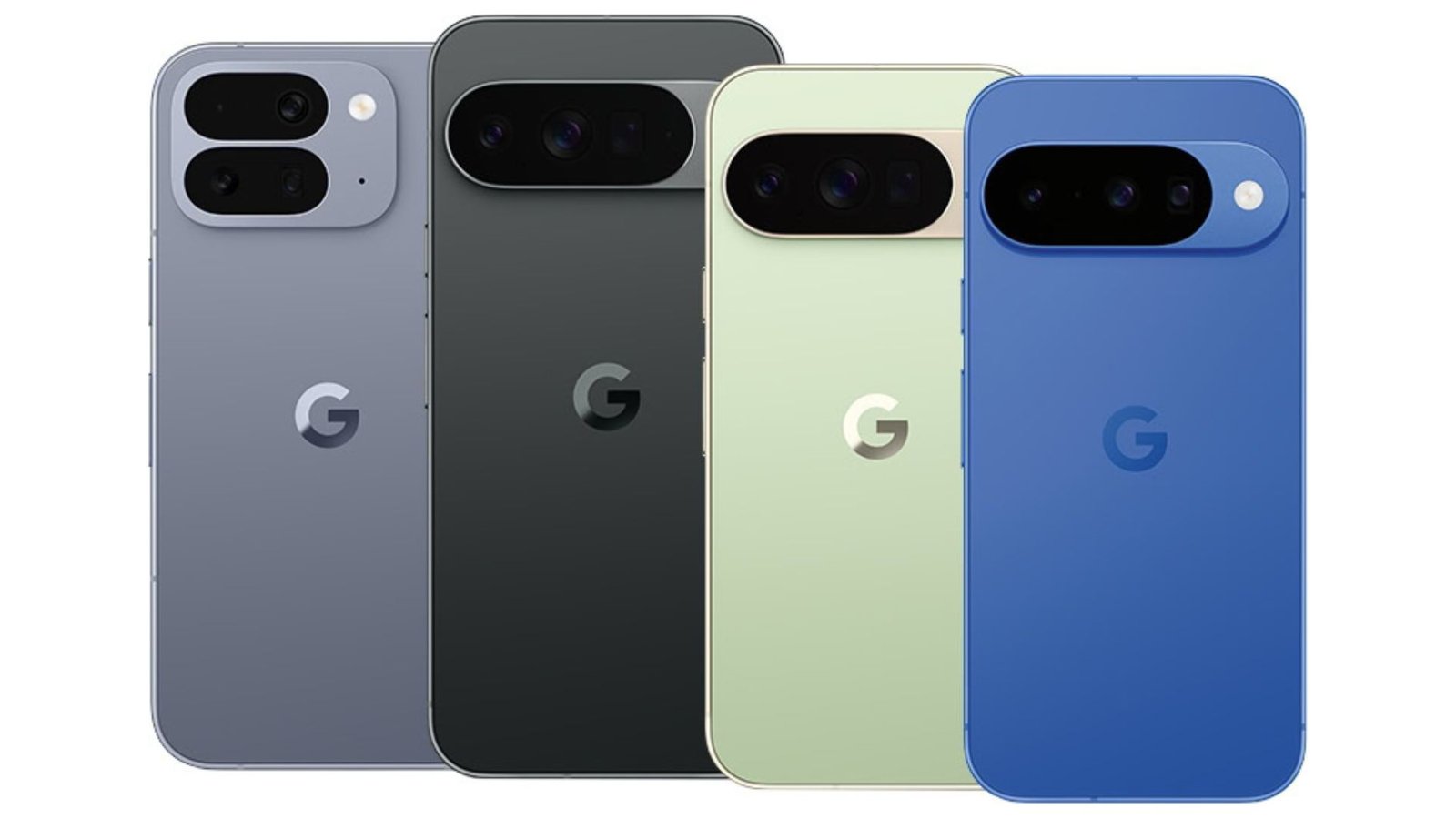
The launch of the Google Pixel 10 Pro series was heralded as a new dawn for Google’s custom silicon—the Tensor G5 chip, manufactured on a supposedly superior 3nm process. Fans and critics alike had high hopes that this generation would finally shed the ghost of thermal throttling that plagued its predecessors, turning the sleek design of a Pixel into a true flagship performer. Yet, a specific, highly-demanding scenario is reportedly turning the powerful Google Pixel 10 Pro XL into a costly, brittle slab of high-tech disappointment: running the open-world action RPG, Genshin Impact.
The anecdotal and increasingly common reports circulating across tech forums and social media are stark: under sustained load from titles like Genshin Impact, the phone not only throttles performance to unplayable framerates, but users are also claiming a literal structural failure—a phenomenon being dramatically described as the phone “falling apart.”
This extensive breakdown delves into the technical realities of the Tensor G5, the extreme demands of Genshin Impact, the history of Google’s thermal management woes, and what this critical failure means for the future of the Google Pixel 10 Pro line and Google’s ambitious hardware strategy.
Table of Contents
Part I: The Genesis of the Crisis – The Tensor G5 and Thermal History
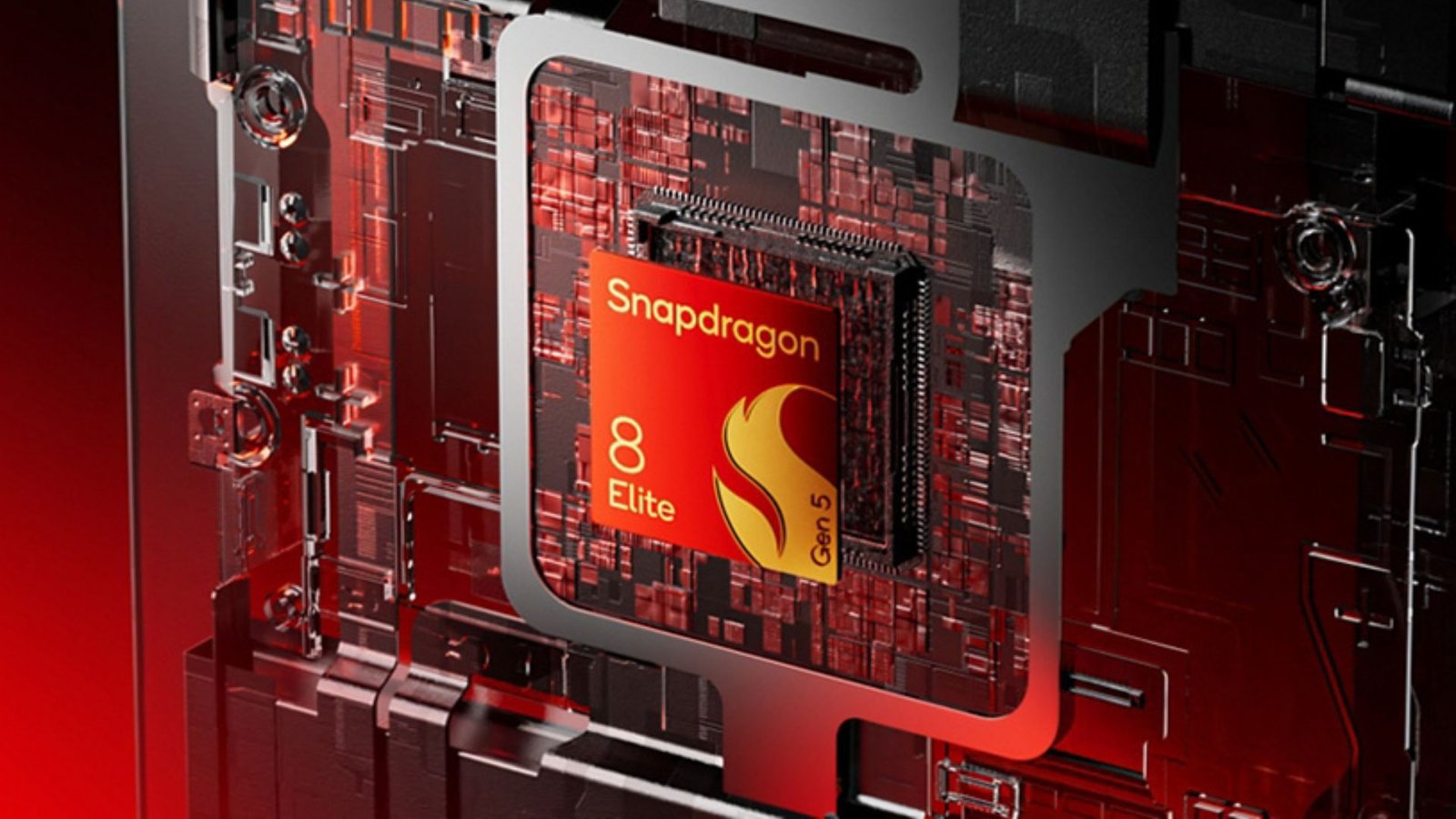
To understand the core issue, one must first look at the engine powering the Google Pixel 10 Pro: the Tensor G5. Google’s Tensor project has always prioritized on-device AI and machine learning capabilities over raw, brute-force GPU performance—a strategic difference from rivals like Apple’s A-series and Qualcomm’s Snapdragon.
The Tensor G5 Promise vs. Reality
The move to the highly-anticipated 3nm fabrication process from TSMC for the Tensor G5 was expected to deliver significant gains in power efficiency, which is directly linked to heat management. After all, less power consumed at the same performance level equals less heat. Early synthetic benchmarks for the new chip did show marked improvements in thermal stability compared to the Pixel 9 series, suggesting the G5 could maintain its performance peak for longer under moderate loads. However, these tests rarely replicate the sustained, maximum-draw workload of a hyper-demanding game.
The thermal issue has been a recurring nightmare for the Pixel line since its inception with the first Tensor chips. These early generations were notorious for heating up during tasks as simple as continuous 4K video recording or using the camera for extended periods. While Google had made undeniable strides in software optimization and the cooling hardware itself—incorporating larger vapor chambers and better heat dissipation materials—it appears that the sheer thermal output of the G5’s components, particularly the GPU cluster when pushed to its limit, remains too high for the physical constraints of the phone’s chassis.
The “XL” Factor: Bigger Phone, Bigger Failure?
The reports specifically highlighting the Google Pixel 10 Pro XL are particularly concerning. The larger XL model, with its spacious chassis, theoretically offers more room for cooling solutions and heat dissipation than its smaller sibling. Its larger surface area should allow heat to escape more efficiently. Yet, if even this physically bigger version of the Google Pixel 10 Pro is succumbing to thermal stress, it suggests a fundamental architectural flaw in the G5’s design or an extreme bottleneck in its integrated cooling system. The phone is not simply “getting warm”—it is reportedly experiencing catastrophic internal stress.
Part II: The Ultimate Stress Test – Genshin Impact
Why does Genshin Impact act as the technological acid test that makes the Google Pixel 10 Pro seemingly fall apart?
A PC-Grade Mobile Experience
Genshin Impact is arguably the most graphically and computationally demanding game currently available on mobile platforms. It is a massive, seamless open-world RPG, initially designed for PC and console, which was then ported to mobile devices. It features:
- Massive Draw Distances and Asset Streaming: The game constantly streams high-resolution textures and environmental assets, keeping the CPU, RAM, and storage controller under continuous load.
- Complex Particle Effects and Dynamic Lighting: Combat is flashy, involving elemental reactions, which translates to a massive number of particle and lighting effects that heavily tax the GPU.
- High Frame Rate Targets: To deliver a smooth experience, the game strives for 60 frames per second (fps), requiring the GPU to render a new, complex frame every 16.67 milliseconds. Sustaining this rate is where most mobile chips falter.
When all these factors combine, Genshin Impact is not a spike load; it is a sustained, maximal workload that pushes every component of the phone’s silicon to its thermal limit. If a phone is going to fail from heat, this game is how it will happen.
Thermal Throttling to Catastrophic Failure
For most flagships, sustained gaming leads to thermal throttling: the CPU/GPU clock speeds are automatically lowered to reduce heat, resulting in a drop from 60 fps to 30 fps (or lower). While frustrating for the gamer, this is a necessary safeguard.
The reports concerning the Google Pixel 10 Pro XL go far beyond mere throttling. Users are claiming that the sustained extreme heat is causing physical damage. This could manifest in several ways:
- Adhesive Failure: The heat can soften the industrial adhesives used to secure the back glass panel, the battery, and the display, leading to the back panel literally lifting off the chassis (a common sign of extreme thermal stress in any modern smartphone).
- Battery Swelling: Excessive heat is the number one enemy of a lithium-ion battery. Chronic overheating can accelerate degradation, leading to swelling, which can physically force the phone’s structural integrity to fall apart.
- Solder Joint Stress: The repeated expansion and contraction from extreme temperature cycling can stress the delicate solder joints connecting the Tensor G5 chip to the main board, leading to intermittent failures or, in the worst-case scenario, device failure.
Part III: Internal and External Implications
The thermal breakdown of the Google Pixel 10 Pro has far-reaching consequences, both for Google’s internal reputation and the wider Android ecosystem.
The Cost to Google’s Hardware Ambition
Google’s main selling point for the Pixel line has always been its proprietary, cutting-edge AI features, which are directly tied to the Tensor chip. If the Tensor G5 cannot handle general-purpose tasks like high-end mobile gaming without self-destructing, it undermines the very foundation of its “all-in-one” flagship status. A phone that is an AI genius but a thermal weakling is a hard sell in the premium smartphone market.
This persistent thermal issue forces Google to constantly play defense. It must either: a) Severely limit the chip’s peak performance via aggressive software governors—essentially preventing the user from ever accessing the full power they paid for. b) Issue multiple software updates in a desperate attempt to patch a fundamental hardware limitation.
For users seeking guidance on managing their smartphone performance and battery health, particularly with power-hungry chips, resources are essential. We frequently cover tips on optimizing device longevity, such as in our detailed guides on extending battery life and improving phone cooling, which you can find on our website.
The Ecosystem and Competitor Advantage
Meanwhile, competitors are not facing the same level of existential thermal crisis. Apple’s A-series chips, while occasionally running warm, consistently offer superior sustained performance due to their energy efficiency and better thermal management designs.
For the Android world, Qualcomm’s Snapdragon platform is seen as the reliable choice for gamers. The difference is stark: the best gaming phones, like those from Asus and Xiaomi, often have dedicated, aggressive active cooling systems specifically to handle the demands of titles like Genshin Impact. The fact that the Google Pixel 10 Pro is struggling so profoundly compared to these dedicated gaming beasts only underscores its failure in this specific segment.
If you are a serious mobile gamer, you are better off looking at devices that prioritize raw GPU power and dedicated cooling. Check out reputable independent tech news sites like The Verge or Ars Technica for their in-depth, controlled thermal testing reviews on various flagship processors to see which can truly endure a long Genshin Impact session.
Part IV: The Path Forward for Pixel Owners and Google
For current owners of the Google Pixel 10 Pro XL experiencing these frightening thermal issues, caution is paramount. If you notice the back panel separating or severe performance drops, discontinue heavy use and contact Google support immediately, as this may be a warranty-covered defect stemming from extreme heat.
If you are an avid gamer, your options for mitigating the issue are limited:
- Lower Graphics Settings: The most immediate fix is to drop the in-game settings for Genshin Impact (or any other intensive game) to ‘Low’ or ‘Medium.’ This reduces the load on the Tensor G5’s GPU, thereby reducing heat output.
- External Cooling: Consider investing in a dedicated clip-on mobile phone cooler. These accessories actively draw heat away from the chassis using a fan and/or a Peltier effect cooler, which can significantly lower surface temperature and prevent throttling.
- Remove the Case: While a protective case is important, thick, non-conductive cases (like silicone or thick rubber) can trap heat. Use a thin case or play without one in a cool environment.
For those considering a future Google Pixel 10 Pro purchase, the question becomes: how important is peak gaming performance versus Google’s unique AI suite? If AI features like advanced photo editing and real-time transcription are your priority, the Pixel remains a top contender. However, if you plan on spending hours in Teyvat or any other graphically intense mobile world, you may want to explore alternatives.
The Verdict: A Structural Flaw in the AI Age
The narrative that the Google Pixel 10 Pro XL is literally “falling apart” while running Genshin Impact is a dramatic one, but it vividly captures a very real, systemic flaw in Google’s hardware design philosophy. The Tensor G5 is clearly capable of bursts of power for AI tasks, but it lacks the sustained thermal efficiency and robust cooling system required to be a true, uncompromised flagship performer in the mobile gaming arena.
Until Google can engineer a Tensor chip that matches the thermal efficiency of its competitors, or incorporate a genuinely revolutionary cooling solution, the Pixel line will remain a brilliant AI phone that is, unfortunately, fragile when subjected to the kind of heat generated by the most popular and demanding games. This is a critical lesson for Google: a great chip isn’t just about peak power; it’s about survivability under pressure. And right now, the Google Pixel 10 Pro is struggling to survive its hardest test.
Part V: Deep Dive – The Technical Discrepancy
While user reports are often emotionally charged, the core technical reasons behind the Google Pixel 10 Pro’s thermal struggle are rooted in the fundamental physics of the Tensor G5 chip architecture.
The TPU vs. GPU Debate
Google Tensor’s strength lies in its Tensor Processing Unit (TPU)—a specialized accelerator designed to handle the matrix multiplications central to machine learning tasks. This is what powers the Magic Eraser, Photo Unblur, and the Gemini AI features. These tasks are often burst workloads: the TPU fires up, performs a computation, and powers down. It’s highly efficient for these specific, short-duration tasks.
However, gaming, particularly a title like Genshin Impact, is a pure, sustained GPU (Graphics Processing Unit) workload. The game requires continuous, high-speed floating-point calculations to render complex 3D scenes. Rumors and early teardowns suggested that while the G5 made a significant leap to the 3nm TSMC node, the configuration of the GPU cluster was potentially undersized or deliberately capped to manage power draw, or conversely, its high-power-density architecture simply concentrates too much heat in a small area. The inevitable result of pushing this GPU to its sustained maximum is heat generation that outstrips the phone’s ability to dissipate it, causing an exponential rise in internal temperature.
The Vapour Chamber Compromise
Modern flagship phones rely on a vapor chamber to move heat away from the processor to the metal frame and screen for cooling. A vapor chamber is a flat, vacuum-sealed container with a wick structure and a small amount of liquid. The liquid vaporizes near the heat source and condenses at the cooler surface, transferring heat rapidly.
The issue with the Google Pixel 10 Pro XL may be twofold:
- Vapor Chamber Size/Design: The chamber might simply be too small or poorly routed to efficiently cover the high-heat areas of the Tensor G5.
- Heat Sink Efficacy: Even if the heat is moved away from the chip, it must then transfer to the phone’s aluminum frame and glass back. If the materials or interfaces are not perfectly optimized, the heat remains trapped inside, leading to a rapid and dangerous temperature spike.
For more technical deep dives into chipset cooling and heat dissipation methods in smartphones, we recommend visiting a premier site for chip analysis, such as AnandTech or HotHardware for detailed diagrams and scientific analysis of various SoC designs.