Skip to content
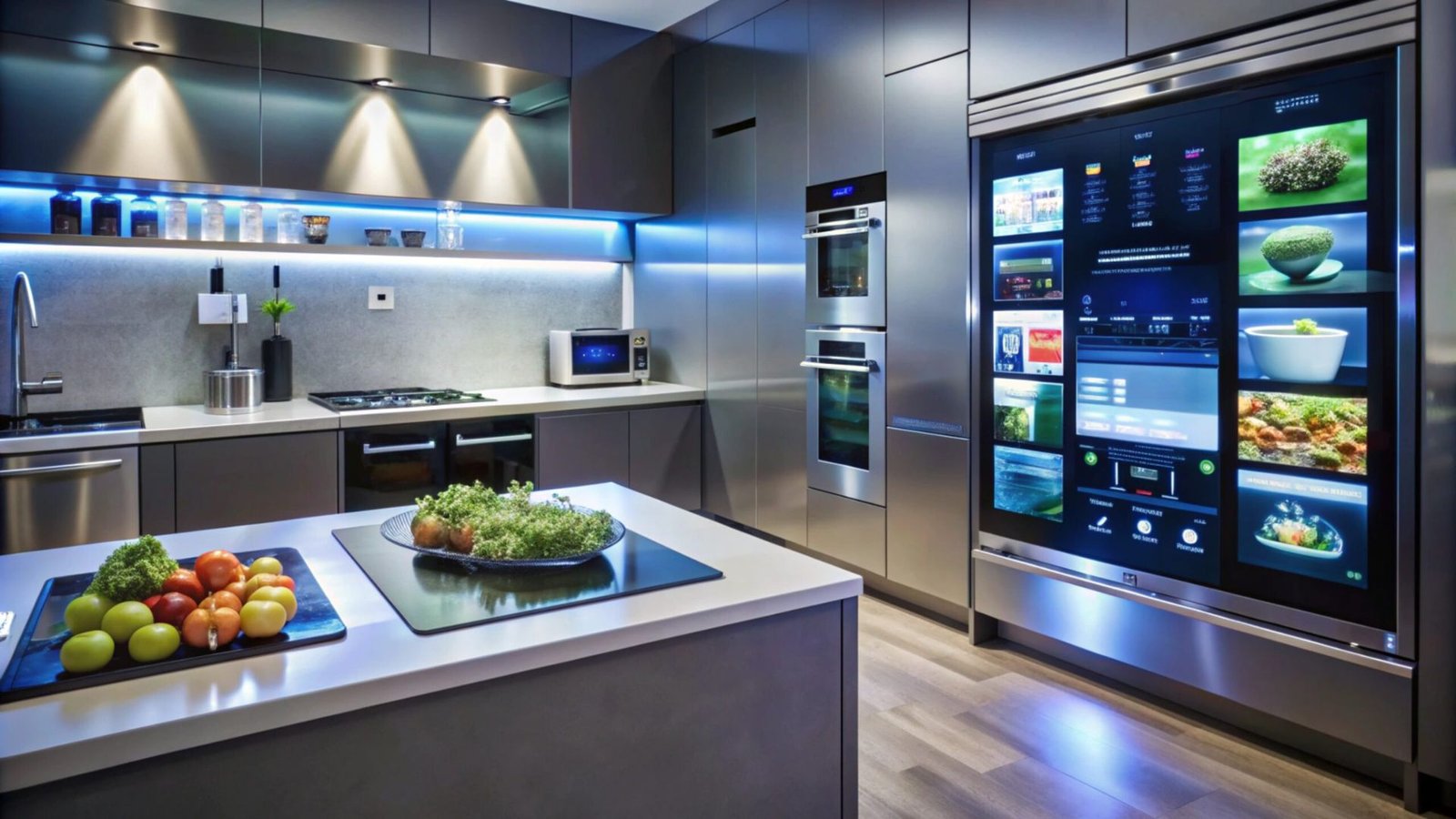
For years, the promise of a unified, seamless smart home experience felt like a dream perpetually out of reach. We’ve managed our lights, checked our cameras, and adjusted thermostats through our phones, often frustrated by the necessity of juggling tiny mobile apps when a powerful desktop computer was right in front of us. This was the biggest friction point in the modern smart home ecosystem. That era of frustration is officially over.
The long-awaited, fully functional Google Home Web Controls have finally arrived, rolling out the comprehensive “Devices” tab and transforming the platform into a true cross-device ecosystem. This is more than a simple quality-of-life update; it represents a fundamental shift in how power users, work-from-home professionals, and large smart home managers interact with their connected devices. It elevates the Google Home platform from a mobile-first utility to a desktop powerhouse, capable of delivering granular control, professional-grade monitoring, and simplified automation editing on the spacious real estate of your browser screen. The addition of these robust Google Home Web Controls is undeniably a game-changer, setting a new standard for platform flexibility and management that competitors must now rush to match.
The timing of this release, coinciding with the broader Gemini AI integration and the complete overhaul of the Google Home app, confirms Google’s commitment to creating a cohesive, platform-agnostic smart home foundation. We’re moving beyond simple voice commands and into an age where control is universally accessible, reliable, and deeply powerful. This in-depth guide will explore every facet of the new web interface, explain why these Google Home Web Controls are so significant, detail the new features you can use right now, and outline the steps for turning your desktop into the ultimate command center for your entire home.
Table of Contents
The Evolution of Google Home: Why the Web Was the Missing Piece
To truly appreciate the significance of the new Google Home Web Controls, one must first understand the platform’s complicated history. Google’s smart home journey has been marked by the clunky co-existence of the old Nest ecosystem (which had a functional web app for cameras and thermostats) and the newer, mobile-centric Google Home app. When Google started unifying these two worlds, the web functionality was largely sidelined.
For a long time, the web interface at home.google.com was a ghost town. It allowed for limited functions: viewing live streams from Nest cameras (though often with restrictions), and, more recently, accessing the Script Editor for advanced Automations. But if you wanted to flip a light switch, lock a door, or adjust your thermostat, you were forced to pull out your phone. This created an immense headache for anyone who spends a significant amount of time working on a computer.
The initial rollout of the Google Home Web Controls was tentative, primarily focusing on camera streams. But with the introduction of the new “Devices” tab, the platform now achieves true feature parity with the mobile app for a majority of core functions. This transition is crucial for power users and those managing large smart homes, who require the precision of a mouse and the clarity of a large monitor to manage hundreds of devices and dozens of routines. The new Google Home Web Controls bridge this gap, offering an enterprise-level management feel to the home environment.
For those just starting their connected journey, understanding the foundation of a modern ecosystem is key. If you are still setting up your various hubs and devices, be sure to check out our comprehensive Smart Home Setup Guide for tips on making the most of your network infrastructure.
Deep Dive into the New Google Home Web Controls Features
The new web interface is structured around three key tabs: Cameras, Automations, and the star of the show, Devices. Each one leverages the desktop environment to offer an experience far superior to its mobile counterpart.
1. Universal Device Management: The New ‘Devices’ Tab
The most monumental addition to the Google Home Web Controls is the full rollout of the Devices tab. This feature finally grants users the ability to interact with a wide array of connected products directly from their browser.
- Lights and Plugs: The most common smart home devices are now easily managed. A simple click on a light tile toggles power. For dimmable lights, you can now drag and slide on the tile to adjust brightness with a level of precision that is awkward on a small phone screen. This immediate, visual feedback is a massive win for ambiance control.
- Thermostats: Full temperature control is now available on the web. Users can adjust the target temperature using plus and minus controls and, crucially, access the overflow menu to select operating modes: Heat, Cool, Heat ⋅ Cool, or Off. This provides complete climate management without ever touching the wall unit or a phone.
- Locks and Security Devices: Smart locks and plugs offer simple one-touch on/off or lock/unlock functionality. This is a vital security feature; imagine confirming your doors are locked while reviewing your camera feeds from the same dashboard—a seamless experience that the new Google Home Web Controls now facilitates.
It’s important to note the current limitations: while the controls are extensive, media devices (speakers, displays, and Chromecasts) may appear but often show a “Controls for this device are not yet supported” message. Likewise, granular controls like color selection for smart lights are not yet implemented, a likely priority for future updates. Despite these minor omissions, the core utility is an undeniable victory for the Google Home Web Controls platform.
2. Pro-Level Camera and Security Monitoring
The ability to check Nest cameras on the web has existed for a while, but the new design optimizes this for desktop power users, especially when integrated with other Google Home Web Controls.
- Multi-Camera Grid View: For homes with extensive surveillance, the ability to view a live grid of multiple camera feeds simultaneously is a significant security upgrade. Instead of swiping through feeds on a phone, users can monitor the front door, backyard, and interior from one glanceable screen.
- Picture-in-Picture (PiP): This is the workflow game-changer. Users can pop out a camera’s live stream into a small, floating window that stays on top of other browser tabs. This allows a work-from-home parent or professional to keep a constant, non-intrusive eye on a child’s room or a delivery at the front door while working on spreadsheets or documents.
- History and Clip Creation: Reviewing video history, skipping through event timelines, and creating custom-length clips for security or record-keeping is infinitely easier with a mouse and a large display than with finger-swipes. For those focused on a robust home defense system, the new Google Home Web Controls for cameras are invaluable. You can read more about setting up your defenses in our article on Choosing the Best Smart Home Security System.
3. The Automation Powerhouse
The Script Editor has been available on the web for some time, but now, with the context of live device control right next to it, its utility is amplified. Building complex routines is a task best suited for a desktop.
The new structure of Automations—Starter (the trigger), Conditions (when and how), and Actions (what happens)—is far easier to visualize and construct on a large screen. You can meticulously adjust the flow of your home’s intelligence, creating sophisticated, presence-aware routines that were previously cumbersome to build on a mobile device.
For instance, you can construct a complex automation that says: Starter: When the front door is unlocked (after 6 PM on a weekday) AND Condition: My phone is connected to the Wi-Fi AND Condition: The Nest Thermostat is set to ‘Away’ AND Action: Set Living Room lights to 40% warm white, unlock the patio door, and announce “Welcome Home.” This level of detail and complexity is only practical using the comprehensive Google Home Web Controls editor. Unlock your full potential with our Advanced Home Automation Tips for getting the most out of the Script Editor.
Workflow Revolution: How Desktop Control Changes Everything
The true “game-changer” aspect of the Google Home Web Controls lies in how they integrate into modern daily life, particularly for the vast number of people who work from their computer.
The Dedicated Smart Home Dashboard
For the first time, you can create a dedicated, always-on smart home dashboard on a secondary monitor, a spare tablet, or a browser tab. This is a game-changer for control. Instead of constantly unlocking a phone, finding the app, and navigating menus, you simply click on the browser tab or glance at your dashboard. This immediacy of access is a profound efficiency boost.
Mass Adjustments and Troubleshooting
Imagine hosting a party or dealing with a system-wide issue. Trying to turn off 50 lights across a dozen rooms via a phone is tedious. With the desktop Google Home Web Controls, you have a clear, room-by-room, alphabetical list of devices. You can scroll, locate, and make mass changes (like turning off all exterior lights or adjusting the temperature in every zone) far faster and with less risk of error. For troubleshooting, a glance at the web controls can instantly confirm if a device is offline or if a routine has failed, giving you diagnostic capability that a mobile notification simply can’t match.
A Professional Monitoring Look
The aesthetics and functionality of the Google Home Web Controls lend a professional, centralized feel to the smart home. It mimics the kind of control dashboard you’d expect to see in a commercial security or building management system. This look and feel not only improves user experience but also increases confidence in the system’s reliability and depth of control. It signals that the Google Home platform is maturing into a serious management tool.
Context is King: The Web Controls and the Gemini Overhaul
The rollout of the full-featured Google Home Web Controls is not an isolated event; it is happening right alongside the biggest architectural change in the platform’s history: the full integration of Gemini AI.
Google is positioning the new Google Home app—and its web counterpart—as the unified command center for a hyper-intelligent, AI-powered home. Gemini for Home is designed to move beyond rigid commands to understand context, handle complex, multi-step requests, and proactively manage the home.
The Google Home Web Controls provide the perfect visual and mechanical interface for this intelligence. You can use the Script Editor to build the framework of a routine, then use the live controls to test and refine the actions in real-time. The web view becomes the visual output of the AI’s complex logic. It gives users a transparent window into how their smart home is functioning.
This push for a unified, intelligent, and universally accessible ecosystem is the core message of the entire Google Home revamp. For an official perspective on how the web controls fit into the larger AI-powered architecture, you can refer to the official Google blog post announcing the new era of the platform. This major platform update signals Google’s decisive move to lead the next generation of smart home technology.
A Step-by-Step Guide: Accessing Your New Web Control Panel
Accessing the newly empowered Google Home Web Controls is incredibly simple, marking a major success in user-friendliness.
- Navigate to the Source: Open your preferred web browser on your desktop or laptop.
- Go to the URL: Type in
https://home.google.com/and hit Enter. - Log In: Sign in using the exact same Google Account credentials you use for the Google Home mobile app. This ensures all your devices and home structure are correctly synced.
- Find the ‘Devices’ Tab: In the navigation rail (usually on the left or top), you will now see the
Devicestab alongsideCamerasandAutomations. Click this tab. - Control: You will see a grid of all your supported smart devices, organized by the rooms you have defined in the mobile app. Click or slide the on-screen buttons to control your home instantly from your desktop.
This straightforward access means you are only seconds away from managing your home, no matter where you are—a crucial detail that elevates the functionality of the Google Home Web Controls.
The Future of Control: Anticipating the Next Wave of Web Controls
The current version of the Google Home Web Controls is a monumental step, but it’s clear that Google is just getting started. The official promise is that “More device types and controls are coming soon.” This leaves us with a few exciting possibilities for the near future of the web interface:
- Full Media Control: The inability to fully manage speakers, displays, and Chromecasts from the web is a clear gap. We fully expect a future update to enable volume sliders, casting controls, and media playback management—a feature crucial for those who use their computer to manage music or video throughout the house.
- Color Picker Integration: For smart lighting users, the current lack of a color picker is a minor oversight. Adding a full-spectrum color wheel to the Google Home Web Controls interface will provide the granular, visual control necessary for setting the perfect mood.
- Deeper Gemini Integration: As the Gemini AI engine becomes more deeply embedded, the web interface could become a place for AI-powered diagnostics. Imagine asking the control panel, “Why did the lights not turn on at sunset last night?” and having the system use the browser’s display to provide a detailed, natural-language explanation of the failed automation. For a detailed analysis of what’s next for the platform, you can check out coverage from major tech publications on the post-launch analysis.
Conclusion: The Desktop is the New Home Hub
The arrival of a full-featured, robust set of Google Home Web Controls marks the end of an era of fragmented smart home management. For years, the power of desktop computing was divorced from the control of our homes. Now, with the new Devices tab, advanced PiP camera monitoring, and the powerful Script Editor accessible in one unified browser interface, Google has closed a massive functionality gap.
This is the platform-agnostic flexibility users have been demanding. Whether you are building an elaborate automation on a 27-inch monitor, checking the security feeds in a floating window while on a conference call, or simply adjusting your climate control from the next room, the Google Home Web Controls have made the smart home experience more efficient, more powerful, and genuinely easier to manage. This release is truly a pivotal moment, signaling that the future of the helpful, AI-powered smart home is finally ready for the desktop. Go log in to home.google.com today, and experience the future of control.