Skip to content
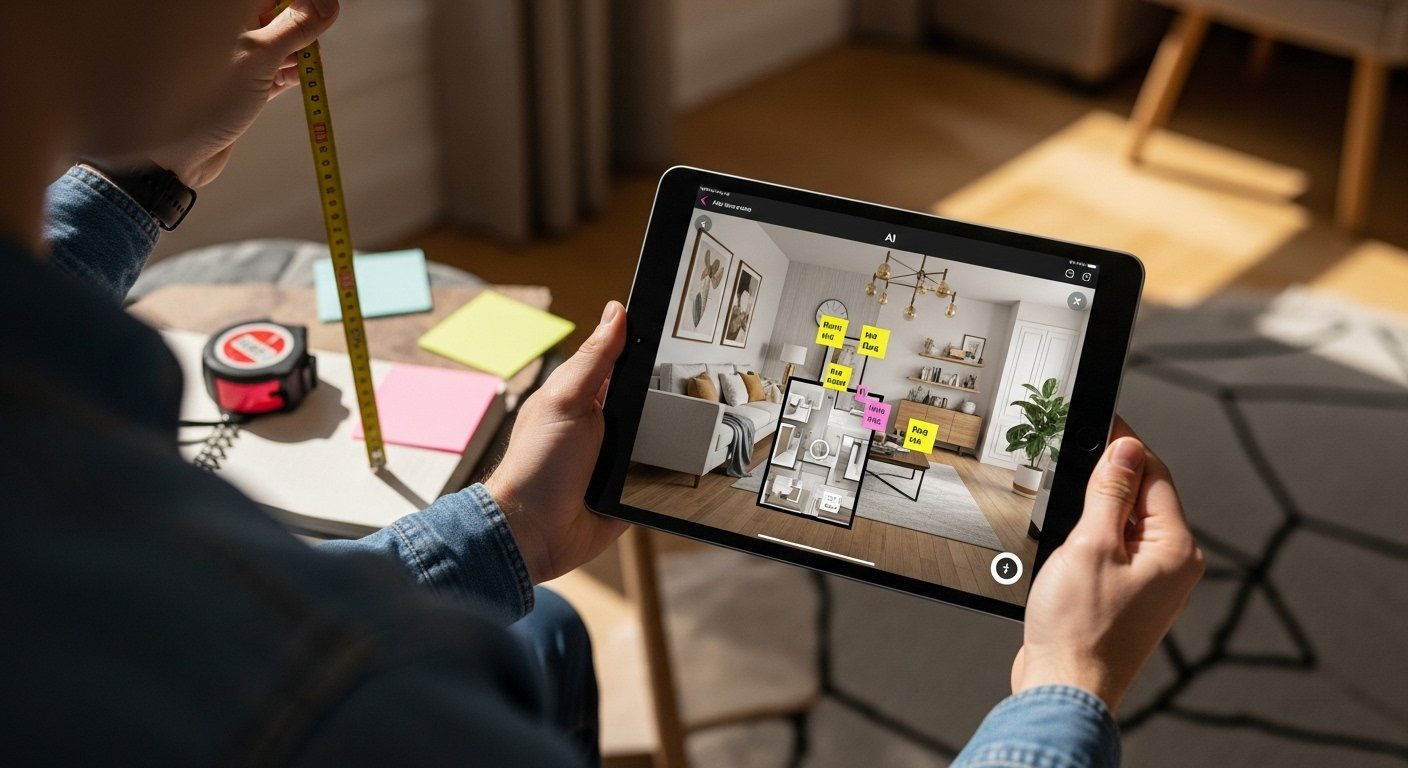
AI interior design tools are changing how we dream up and plan our perfect spaces. You might expect fancy software to be complicated and dry, but today’s AI can actually help you map out a whole room from just a few snapshots and some quick measurements. The surprising part is that some platforms allow you to finalize and export your design with just a few clicks, and even generate three different backup versions instantly for peace of mind.
Table of Contents
- Step 1: Identify Your Design Preferences And Needs
- Step 2: Choose The Right AI Interior Design Tool
- Step 3: Input Room Dimensions And Layout
- Step 4: Experiment With Design Styles And Furnishing Options
- Step 5: Review And Adjust Your Design Plan
- Step 6: Finalize And Save Your Dream Room Design
Quick Summary
| Key Point | Explanation |
|---|---|
| 1. Identify your design preferences first | Start with a self-assessment of your space, noting strengths and weaknesses to guide AI tools effectively. |
| 2. Choose the right AI tool | Evaluate your design goals and technical comfort to select an AI platform that fits your needs and budget. |
| 3. Input accurate room dimensions | Precise measurements are crucial for AI design tools; ensure all critical dimensions are accurately entered. |
| 4. Experiment with design styles actively | Use AI tools to test various designs, styles, and furniture arrangements to explore creative possibilities. |
| 5. Review and refine your design thoroughly | Critically assess your AI-generated design for functionality and aesthetics, adjusting as needed before finalization. |
Step 1: Identify Your Design Preferences and Needs
Designing your dream room begins with understanding your unique style, functional requirements, and personal aesthetic. AI interior design tools transform this initial planning stage by helping you explore and crystallize your vision more effectively than traditional methods.
Start by conducting a thoughtful self assessment of your space. Walk through the room you want to redesign and take detailed mental notes about its current strengths and limitations. Consider aspects like natural light, room dimensions, existing furniture, and architectural features. These observations will become crucial inputs for AI design tools.
Gather visual inspiration before engaging with AI platforms. Create a digital mood board using platforms like Pinterest or save screenshots of room designs that resonate with you. Pay attention to color palettes, furniture styles, and spatial arrangements that spark excitement. Professional designers recommend collecting 10 15 reference images that capture your desired aesthetic.
When you’re ready to leverage AI interior design tools, prepare a comprehensive brief about your space. Measure your room precisely and note critical details such as window locations, electrical outlets, and structural constraints. AI systems work best with accurate spatial information. Take high quality photographs of the room from multiple angles, ensuring good lighting and clear visibility of key architectural elements.
Consider your lifestyle and functional needs carefully. Are you designing a home office that requires productivity focused elements? A relaxing bedroom sanctuary? A multipurpose living area? Each space demands unique considerations. AI tools excel at translating lifestyle requirements into practical design solutions, but they need clear, specific guidance from you.
The most successful AI interior design experiences emerge from users who approach the process with both creativity and precision. Your role is to provide clear direction while remaining open to unexpected design possibilities that artificial intelligence might suggest.
Step 2: Choose the Right AI Interior Design Tool
Selecting the appropriate AI interior design tool is a critical step that can make or break your room transformation journey. Not all AI platforms are created equal, and finding the right match requires careful consideration of your specific design goals, technical comfort level, and budget constraints.
Begin by evaluating your technical skills and comfort with digital design platforms. Some AI interior design tools are incredibly user friendly, offering intuitive drag and drop interfaces, while others might require more advanced technical knowledge. Consider your personal technology comfort zone when making your selection. If you are a design novice, look for platforms with robust tutorial resources and straightforward interfaces.
Research different AI interior design tools by exploring their unique features and specialties. According to Miami Dade College’s design technology resources, professional platforms offer varied capabilities such as 3D room rendering, furniture placement, color scheme visualization, and real time design modifications. Some popular options include web based tools like Planner 5D, which allows comprehensive room design, and more specialized platforms like Homestyler, known for its realistic rendering capabilities.
Consider the specific features that matter most for your project. Some AI design tools excel at small space optimization, while others specialize in specific room types like kitchens or home offices. Pay attention to tool capabilities such as furniture catalog size, customization options, and compatibility with your existing devices. Budget is another crucial factor most AI design platforms offer tiered pricing models ranging from free basic versions to professional subscriptions with advanced features.
Before committing to a specific tool, take advantage of free trials and demo versions. Many AI interior design platforms provide limited time access that allows you to test their functionality and interface. This hands on experience will help you determine whether the tool meets your design vision and technical capabilities. Create a few preliminary design drafts during these trial periods to get a genuine feel for the platform’s ease of use and creative potential.
Remember that the best AI interior design tool is the one that makes you feel empowered and excited about your design journey. Trust your instincts, explore multiple options, and choose a platform that resonates with your creative vision and practical needs.
Step 3: Input Room Dimensions and Layout
Accurately inputting your room’s dimensions and layout is the foundation of successful AI interior design. This critical step transforms your physical space into a digital canvas where creative possibilities unfold. Precise measurements and thoughtful representation will ensure that your AI design tool generates realistic and functional recommendations.
Begin by gathering essential measuring tools a laser distance meter, traditional measuring tape, and a notepad. Measure every critical dimension with precision. Start with the room’s overall length and width, then document the specific locations of windows, doors, electrical outlets, and any architectural features like alcoves or built in elements. Take measurements from multiple points to account for potential irregularities in wall surfaces.

According to advanced AI design research, capturing nuanced spatial details dramatically improves the accuracy of AI generated design recommendations. Photograph your room from multiple angles, ensuring good lighting and clear visibility of structural elements. These images will provide contextual information that complements your numerical measurements.
When entering data into your chosen AI design platform, be meticulous and patient. Most tools require you to input precise measurements in a specific format typically either metric or imperial units. Double check your entries to avoid design miscalculations. Pay special attention to ceiling height, as this impacts furniture scaling and overall room proportions. Some AI tools offer automatic room scanning features that can simplify this process by using your smartphone camera to capture spatial information.
Consider the functional requirements of your space alongside its physical dimensions. Think about traffic flow, natural light patterns, and how you intend to use the room. Are there specific zones you want to create, like a reading nook in a bedroom or a workspace in a living area? Communicate these intentions clearly within the AI design tool. The more context you provide, the more personalized and practical your design recommendations will become.
Verify your input by reviewing the initial AI generated layout. Check that doors, windows, and architectural features align correctly with your actual room. A successful room dimension input will result in a digital representation that feels like an accurate reflection of your physical space, ready for the next exciting stage of design exploration.
Step 4: Experiment with Design Styles and Furnishing Options
With your room dimensions digitally mapped, you now enter the most exciting phase of AI interior design: exploring creative possibilities and transforming your space through virtual experimentation. This step is where artificial intelligence truly shines, offering unprecedented flexibility to test multiple design concepts without physical commitment.
Unleash your creativity by exploring diverse design styles. Most AI interior design platforms provide extensive style libraries ranging from minimalist and scandinavian to bohemian and industrial. Start by sampling different aesthetic approaches, paying attention to how each style interacts with your specific room layout. According to innovative design research, interactive AI systems now allow real time visualization of design transformations, enabling you to instantly see how different styles complement your space.
Furniture selection becomes an intuitive process with AI tools. These platforms typically offer extensive digital catalogs featuring thousands of furniture pieces that can be dragged, rotated, and positioned within your virtual room. Experiment with furniture placement by trying unconventional arrangements you might not have considered manually. Pay special attention to scale and proportion most AI design tools provide visual indicators to help you understand how different pieces fit together harmoniously.
Color palette exploration is another powerful feature of AI design platforms. Test multiple color schemes instantaneously, observing how different hues interact with your selected furniture and architectural elements. Some advanced tools even offer mood based color recommendations, suggesting palettes that create specific emotional atmospheres like calm, energetic, or sophisticated. Take advantage of these features to fine tune your design vision.
Remember that AI is a collaborative tool, not a replacement for your personal taste. While the platform generates suggestions, you remain the ultimate designer. Trust your instincts and don’t be afraid to modify or reject recommendations that don’t resonate with your vision. Save multiple design iterations as you experiment, allowing you to compare and refine your concepts.
Verify the success of this experimental stage by ensuring your virtual design feels both aesthetically pleasing and functionally practical. A great AI generated design should not only look beautiful but also reflect your lifestyle needs. Take screenshots of your favorite designs, and be prepared to make incremental adjustments as you continue refining your room’s digital transformation.
Step 5: Review and Adjust Your Design Plan
Reviewing and refining your AI generated interior design is a crucial step that transforms initial concepts into a polished, personalized space. This stage requires a critical eye and a willingness to make strategic adjustments that align the digital design with your practical needs and aesthetic vision.
Approach your design review systematically and objectively. Start by taking a step back and examining the entire room layout as a cohesive whole. According to AI design research, professional designers recommend viewing your design from multiple perspectives. Use your AI tool’s different viewing modes panoramic, top down, and individual zone views to thoroughly assess spatial relationships and overall flow.
Focus on functional feasibility alongside aesthetic appeal. Critically evaluate whether the proposed design truly supports your daily lifestyle. Consider traffic patterns, furniture accessibility, and potential challenges like awkward furniture placement or insufficient storage. Pay special attention to practical details such as electrical outlet locations, natural light sources, and how furniture might interact with existing architectural features.
Budget considerations are equally important during this review phase. Most AI design platforms offer cost estimation features that help you understand the financial implications of your design choices. Generate multiple design iterations with varying price points, allowing you to balance aesthetic desires with financial constraints. Some tools even provide recommendations for cost effective alternatives that maintain the overall design integrity.
Don’t hesitate to make incremental adjustments. AI design tools excel at rapid iterations, enabling you to experiment with minor changes that can significantly impact the overall design. Swap out furniture pieces, adjust color schemes, or reconfigure room layouts with just a few clicks. Trust your instincts and be willing to deviate from the AI’s initial suggestions. The most successful designs emerge from a collaborative dialogue between human creativity and artificial intelligence.
Verify the success of your design review by creating a comprehensive checklist. Confirm that the design meets your functional requirements, aesthetic preferences, and budget constraints. Take high resolution screenshots of your final design from multiple angles. If possible, use augmented reality features to visualize how the design might look in your actual space, providing a final layer of validation before moving forward with implementation.

Step 6: Finalize and Save Your Dream Room Design
Reaching the final stage of your AI interior design journey is both exciting and critical. This pivotal moment transforms your digital vision into a actionable blueprint for room transformation. Finalizing and saving your design requires careful attention to detail and strategic preservation of your creative work.
Conduct a comprehensive final review of your design. According to innovative design research, successful design finalization involves multiple layers of verification. Zoom in and out of your digital room, examining every design element with a critical eye. Check that furniture proportions align perfectly, color schemes harmonize seamlessly, and the overall layout supports your functional requirements. Most AI design platforms offer multiple viewing modes that allow you to scrutinize your design from various perspectives.
Prepare multiple file formats and backup options for your finalized design. Many AI interior design tools allow you to export your project in various file types such as high resolution JPEG, PNG, and PDF. Create at least three separate backups of your design one in the original platform, one as a downloadable file on your computer, and potentially a cloud storage version. This ensures you never lose the intricate work you’ve invested in creating your dream room.
Document important design specifications alongside your visual files. Take detailed notes about specific furniture measurements, color codes, material selections, and estimated budget breakdowns. These supplementary details will prove invaluable when you transition from digital design to actual room implementation. Some advanced AI platforms automatically generate comprehensive design reports that include procurement recommendations and spatial planning insights.
Consider sharing your design with trusted friends, family members, or professional designers for final feedback. Many AI design tools offer collaborative features that allow you to generate shareable links or screenshots. External perspectives can often highlight nuanced design elements you might have overlooked during your personal review process. Be open to constructive suggestions while maintaining confidence in your core design vision.
Verify the completeness of your design by ensuring it meets three key criteria: aesthetic appeal, functional practicality, and personal satisfaction. Save your final version with a clear, descriptive filename that includes the room type and date. Congratulate yourself on successfully navigating the AI interior design process a testament to your creativity and technological adaptability.
Below is a checklist to help you verify the completion and thoroughness of your finalized AI interior design before moving forward.
| Verification Criteria | Description |
|---|---|
| Aesthetic Appeal | Ensure colors, furniture, and layout create a visually pleasing result |
| Functional Practicality | Confirm layout supports traffic flow and room usability |
| Accurate Dimensions | Double-check all spatial measurements for alignment with actual room |
| Personal Satisfaction | Make sure the design reflects your personal vision and needs |
| Backup Files Created | Save at least three backup copies in different formats/locations |
| Design Documentation | Record furniture sizes, color codes, and material lists |
| Final Feedback Considered | Review external input from trusted sources if available |
Bring Your AI Room Design Vision to Life with BreezyTips
If mapping out your dream room with AI interior design tools feels overwhelming or leaves you with unanswered questions, you are not alone. Whether it is wrestling with room measurements, navigating different digital platforms, or trying to determine which layout works best for your needs, many face challenges turning inspiration into practical results. The journey can seem confusing when you are unsure how to blend technology and creativity for real change in your space.
At BreezyTips.com, we believe anyone can master new tools to improve their everyday life. Discover more simple solutions and in-depth guides in our Technology – breezytips section. Ready to go further with practical tips and step-by-step advice? Dive into our blog right now at BreezyTips.com and unlock the confidence to complete your room transformation today.
Frequently Asked Questions
What are AI interior design tools and how do they work?
AI interior design tools leverage artificial intelligence to help users visualize and plan their ideal spaces. They analyze user inputs, such as room dimensions, layout, and personal preferences, to generate design recommendations, including furniture arrangements, color schemes, and style suggestions.
How do I choose the right AI interior design tool for my needs?
To select the best AI design tool, consider your technical comfort level, specific design goals, and budget. Look for user-friendly platforms with robust features that align with your project requirements. Free trials can help you test different tools before committing.
What should I prepare before using an AI interior design tool?
Before engaging with an AI tool, gather precise measurements of your room, including dimensions, window and door locations, and key architectural features. Creating a mood board with visual inspiration and taking high-quality photos of your space can also be beneficial.
How can I ensure the accuracy of my design when using AI tools?
Accurate input is crucial for AI design tools. Measure your room meticulously and enter dimensions correctly. Review the generated layout for alignment with actual features in your room, and make adjustments as necessary to ensure the design meets your functional and aesthetic needs.